11 Student-Athletes Complete 160-Mile Pilgrimage in Spain
Providence College teams walked the Camino de Santiago to the Cathedral of Santiago de Compostela under the guidance of Rev. Dominic Verner.
By Riya Zhao ·
Eleven student-athletes from four Division I teams at Providence College completed a 160-mile pilgrimage along the Camino de Santiago in May 2026. The group traveled the ancient route in Spain to reach the Cathedral of Santiago de Compostela, which houses the remains of the apostle St. James.
The journey began with a physical and mental challenge for the participants. The group included members from the women’s ice hockey, swimming and diving, tennis, and track and cross country teams. They were led by Rev. Dominic Verner, O.P., the athletics chaplain, along with Erich Miller, a 2020 honor graduate, and John Barry, a parent of a current student.
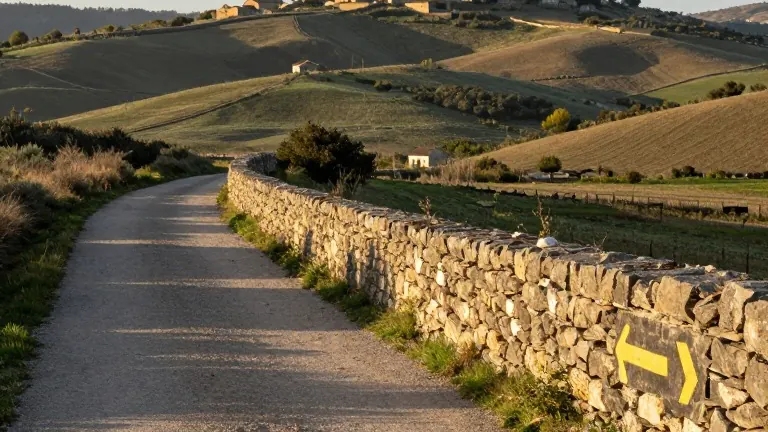
The route covered diverse terrain, including mountains and small towns, guided by yellow arrows. The physical demand was intense, with daily walks reaching up to 20 miles. At La Cruz de Ferro, the highest point of the Camino Francés, the group stopped at an elevation of 1,500 meters. This iron cross is surrounded by stones, photographs, and flags from pilgrims around the world. Participants left a stone from home at the base of the cross as a symbolic act of letting go.
The pilgrimage included personal milestones for some members. Isabella Marcos, a 2028 graduate from Pittsburgh, Pennsylvania, celebrated her birthday during the trek. Marcos, who swims on a pre-med track, noted that Elizabeth Glasspool, a 2026 graduate, carried her bag for the day to provide relief. That evening in Villafranca del Bierzo, the group gathered for dinner, where a cake was presented to Marcos.
On the final day, the group walked the last 13 miles together without splitting up. The journey concluded in the center of Santiago, where the streets were filled with souvenir shops and pilgrims. The group arrived at the cathedral after walking for days through varied landscapes. Marcos reflected on the experience, noting that the silence upon arrival was profound after weeks of physical exertion and social interaction.
The pilgrimage was structured as a spiritual and communal experience. Participants reported that the quiet moments between physical challenges allowed for deeper personal reflection. Conversations with mentors and fellow athletes covered topics including faith, purpose, and future plans. The group maintained a routine of waking, walking, eating, praying, and sleeping throughout the duration of the trip.
The 160-mile trek required participants to manage physical pain and fatigue over several weeks. The final stretch included a decorated sign announcing Santiago de Compostela, where some students left their shoes as a tradition. The group reached the cathedral in silence, marking the end of their journey across Spain. The experience combined physical endurance with spiritual growth for the 11 athletes and three mentors.
Marcos, who studies biology and minors in Spanish, described the pilgrimage as a journey toward a different version of herself. Her father, who was born in Asturias, Spain, had walked the El Camino Primitivo in 2013. He shared more than 200 photographs and stories of his own journey with Marcos before she departed. The 2026 expedition served as a personal connection to that family history while offering a new perspective on the path.