AI Voices Make Swatting Hoaxes Harder for Emergency Dispatchers to Detect
Groups representing 911 dispatchers are adapting training as realistic synthetic voices make false reports of life-threatening emergencies more difficult to identify.
By Elena Perry ·
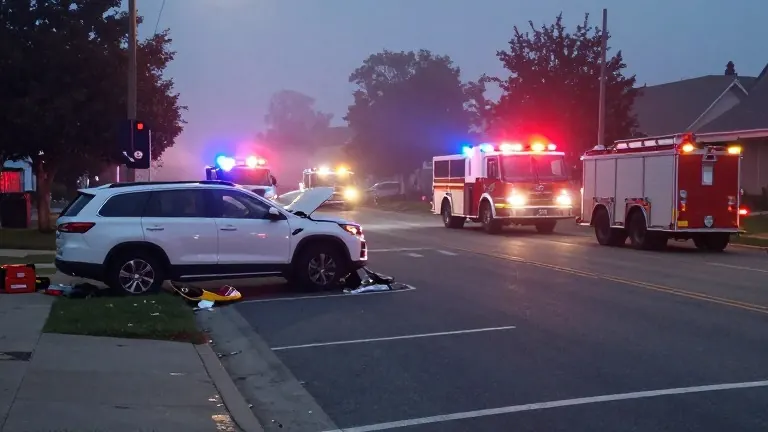
A false bomb threat to Wheatland Union High School in California's Yuba County in August brought police to the campus overnight and forced classes to be canceled. No bomb was found, and no one was injured. Authorities linked the incident to a series of hoax calls targeting schools nationwide over the summer. But this call presented a particular challenge: The voice delivering the threat was generated by artificial intelligence.
Known as swatting, these hoaxes involve reports of bomb threats, mass shootings or other life-threatening situations intended to provoke a large emergency response, according to the FBI. They can be used to harass targets or retaliate against them, while diverting police and other public safety resources from genuine emergencies. Mel Maier, CEO and executive director of APCO International, the Association of Public Safety Communication Officials, says swatting attacks have also caused deaths and injuries.
Dispatchers have handled fraudulent emergency reports for years, but synthetic voices and AI-generated background sounds are making the deception more convincing. Maier says artificial voices can now incorporate pauses and verbal hesitations that closely resemble ordinary speech. APCO and NENA: The 9-1-1 Association, both of which represent emergency dispatchers, say the Yuba County incident illustrates their increasing concern about misuse of the technology.
Research released in June by APCO and the Public Safety Threat Alliance, an information-sharing and cybersecurity group, drew on 766 responses from public safety communications professionals. About 14% of dispatchers reported being targeted with AI tools. Maier expects that share to increase as the technology becomes more advanced.
Access to synthetic voice software is inexpensive and widespread, according to Brandon May, an assistant professor of forensic psychology at the Florida Institute of Technology. He says he can clone his own voice through ElevenLabs for less than $20 and adjust its pitch, intonation and pauses. May warns that recognizing artificial voices has become difficult, especially when dispatchers must assess emergency reports with potentially serious consequences.
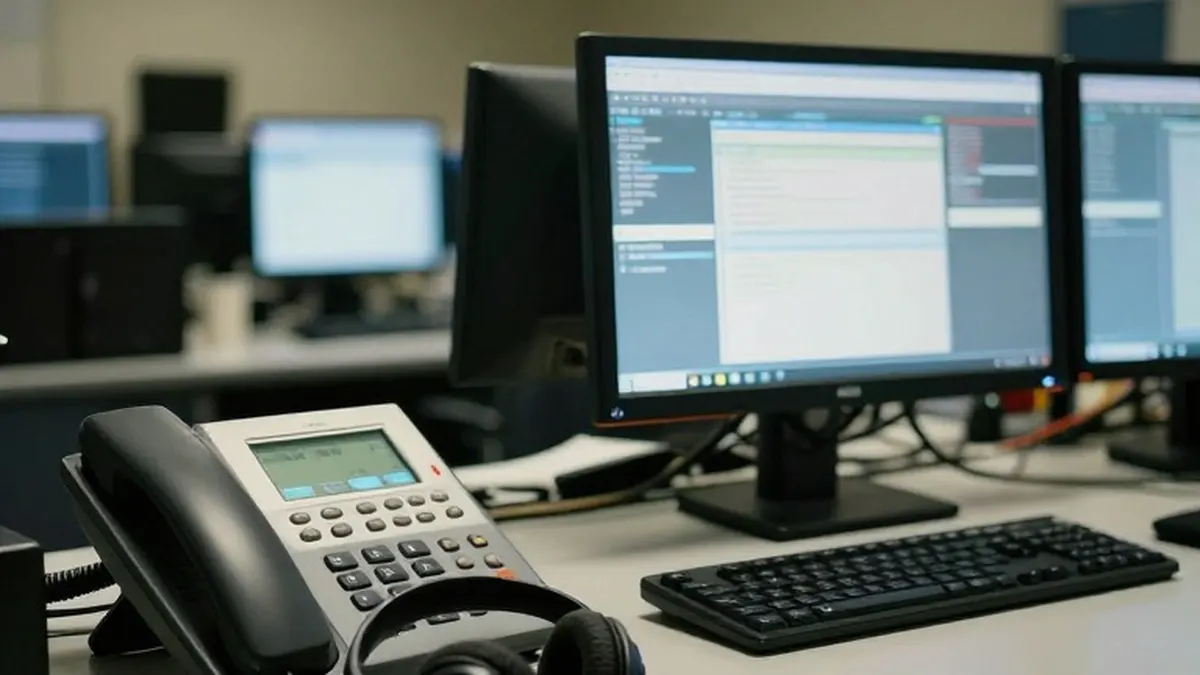
Some calling patterns can still provide clues. April Heinze, NENA's vice president and chief of 911 operations, says most swatters avoid calling 911 directly because the system supplies information including a caller's location, callback number and the phone owner's name. Instead, she says, hoax callers generally contact police departments or courthouses and are transferred to emergency communications centers, making those calls impossible to trace.
APCO and NENA are developing training to address AI-assisted hoaxes. Heinze and Maier declined to outline specific detection methods, saying that disclosure could help people train AI to evade them. Maier says APCO is working on criteria for questioning callers in enough detail that an AI system could not obtain the answers from public databases or social media, or simply guess them.
Both officials stress that signs of deception will not stop dispatchers from treating reports of life-threatening emergencies as real and sending help. Heinze says public safety agencies must respond strongly even when a call appears suspicious, because the potential consequences leave no room to gamble.
More News · National news · Report a business · Got a Story?