Brooklyn Transit: DOT Begins DeKalb and Lafayette Redesign
Construction starts on 2.7 miles of bus and bike lanes to address speeds averaging 4 mph.
By Riya Zhao ·
Bus speeds on Brooklyn’s DeKalb and Lafayette Avenues dropped to 4 miles per hour during peak travel times, a figure that prompted the Department of Transportation to launch a major infrastructure overhaul this week. Crews began work Thursday on a redesign intended to add nearly 3 miles of dedicated transit and cycling infrastructure to the parallel corridors.
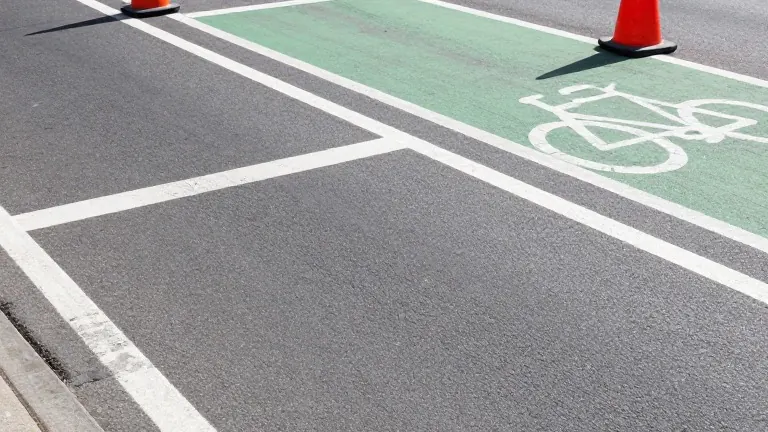
The project covers 2.7 miles of each avenue, stretching from Flatbush Avenue to Broadway on DeKalb and from Ashland Place to Patchen Avenue on Lafayette. These one-way streets run through Downtown Brooklyn, Clinton Hill, Bedford Stuyvesant, and Bushwick. DOT crews will paint curbside and offset bus lanes to accelerate the B38 route, which serves 18,000 daily riders. The design also incorporates parking and barrier-protected bike lanes to separate cyclists from motor vehicle traffic.
DOT data indicates that 80% of residents within a quarter mile of the B38 route commute via public transit, biking, or walking. Additionally, 62% of households along the corridor do not own a car. Commissioner Mike Flynn noted that the redesign aims to increase bus speeds and reliability. He stated that the project will create safer routes for all road users and calmer corridors for pedestrians.
Safety records for the two streets show a combined 841 reported injuries since 2021, according to DOT figures. Of those incidents, 47 were classified as severe, and one resulted in a fatality. Pedestrians and cyclists accounted for 310 total injuries and 22 severe injuries over the past five years.
Mayor Zohran Mamdani addressed the project in a statement, emphasizing the need for speed and safety. He said, “New Yorkers shouldn’t have to choose between getting where they need to go on time and getting there safely.” The mayor added that the administration is implementing fast buses and protected bike lanes to respect residents' time.
This work is part of “Next Stop,” a joint city and state plan released over the summer to boost bus speeds on 50 priority corridors. These corridors, traveled by 175 routes, account for 75% of the city’s bus network. The plan pledges a 20% increase in bus speeds. The administration also completed the Bronx’s first busway on Tremont Avenue in September, with ongoing work on Fordham Road and Flatbush Avenue.
The DOT officially began the DeKalb and Lafayette project on Thursday. The lanes are scheduled to run the full length of the designated corridors as crews apply the necessary markings and barriers.