Fall Heating Season Begins with High Stakes for Homeowners Ignoring Safety Checks
Carbon monoxide risks rise as appliances sit idle through the summer, prompting experts to urge immediate testing before the first cold snap.
By Andrew Yang ·
Homeowners face a financial and health risk this autumn as heating systems prepare for their first firing of the season. Many furnaces, boilers, and water heaters have sat unused since late spring. During that idle period, vents block and connections corrode. These issues often surface on the first day of heating, causing appliances to spill combustion gases indoors instead of venting them outside. This creates a direct threat to the indoor air quality and safety of the household.
The danger is invisible. Carbon monoxide has no color and no odor. It does not provide a warning before symptoms appear. Low-level exposure causes headaches, fatigue, and nausea. These symptoms often mimic the flu. Because patients spend time in fresh air during doctor visits, blood levels can drop before tests detect the gas. This leads to misdiagnosis. A neurologist in Port Chester recently treated a husband and wife separately for vague flu-like symptoms. He identified the shared address as the common factor. Their symptoms cleared once they left the home. This case illustrates how environmental factors drive medical costs and health outcomes.
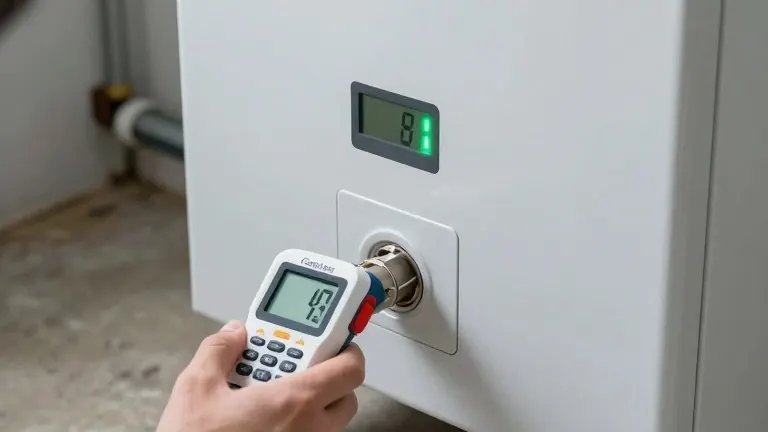
High-profile incidents have historically defined the risk. In September 1994, tennis star Vitas Gerulaitis died in a Long Island cottage. A faulty, poorly vented heater allowed carbon monoxide to build up while he slept. He was 40 years old. The lack of sensory warning made the gas difficult to detect without active monitoring. Jim Davis, a teacher at the National Comfort Institute who passed away recently, emphasized that routine testing is the standard. He noted that high CO levels are often found only when a technician actively measures them, rather than when homeowners guess based on comfort.
The business of home comfort relies on preventive maintenance to avoid these failures. Anthony Marmo, founder of Clover Heating & Cooling in Sleepy Hollow, New York, built his firm in 1986 with a focus on indoor air quality. Marmo grew up with asthma and worked in the HVAC trade starting at age 14. His experience in testing combustion efficiency for an oil company informs his current practices. He argues that fall is the optimal time for intervention. Before the heating season starts, qualified technicians can measure fuel-burning safety. This approach identifies small problems before they become dangerous.
Homeowners can take three specific steps to manage this risk. First, schedule an annual combustion safety test. This measures how safely the appliance burns fuel. Second, install carbon monoxide alarms. These devices should receive new batteries when clocks change. Third, monitor symptoms. If headaches or fatigue improve when leaving the house, the home environment is likely the cause. Marmo’s company includes a combustion safety test in every fall tune-up. They also offer an on-site assessment covering temperature, humidity, VOCs, carbon monoxide, carbon dioxide, and particulates. This data allows families to see exactly what is in the air they breathe. The service is available at 225 North Broadway in Sleepy Hollow.
The cost of inaction includes potential medical visits and emergency repairs. The cost of action is a scheduled appointment and a safety test. As the temperature drops, the demand for these services rises. Homeowners who delay testing until the cold arrives join a crowded market for emergency repairs. Those who act now secure a verified safe system for the season.
More Business · Scam Watch · Report a business · Got a Story?