Kitchen Counters: Brita Pitchers Offer a Cheaper Alternative to Bottled Water
Filter pitchers cost between $15 and $45 and remove specific contaminants, but users must manage filter changes and cleaning schedules.
By Andrew Yang ·
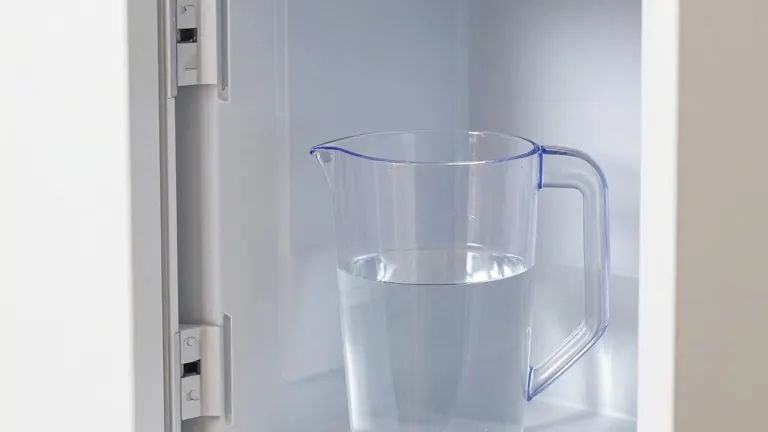
Households face a choice between buying bottled water or installing filtration systems. Brita has sold water filter pitchers for more than 50 years, offering a low-cost method to improve tap water taste and reduce certain impurities. The company’s standard models fit into standard kitchen refrigerators, allowing users to keep filtered water cold without the recurring expense of plastic bottles.
The price range for these pitchers typically sits between $15 and $45. This cost covers the plastic container and the initial filter. Buyers must also consider the capacity of the pitcher, which varies by model. The Brita 10-Cup Standard Everyday Pitcher holds 10 cups of water, while the Brita Original 6-cup Small Plastic Water Filter Pitcher holds 6 cups. A larger capacity allows users to keep water cold in the refrigerator without frequent refills.
The filtration process relies on physical barriers and chemical reactions. Standard filters use a mesh screen and activated carbon to reduce odors and tastes. They also contain an Ion Exchange Resin that captures copper, zinc, and cadmium. Longlast+ filters include additional pleated material designed to reduce lead, asbestos, and cadmium. A separate stream filter option processes water as it is poured, which speeds up pitcher filling but slows down glass filling.
The Centers for Disease Control and Control states that the United States has one of the safest water supplies in the world. However, tap water can still contain contaminants from sewage releases, fertilizers, pesticides, or natural chemicals. Many consumers prefer filtered water for taste rather than safety. The Mayo Clinic estimates that men should drink roughly 99 ounces of water daily and women roughly 74 ounces. These amounts vary based on activity levels and health conditions.
Maintaining the pitcher requires regular cleaning and filter replacement. The manual recommends cleaning the pitcher periodically, with a frequency of every two months aligning with standard filter changes. Users must disassemble the parts and wash them by hand using mild dish detergent and a nonabrasive sponge. The parts must rinse thoroughly and dry completely before reassembly. Most pitchers include an electronic filter tracker in the lid that counts fill cycles and alerts users when a new filter is needed.
The 10-Cup Standard Everyday Pitcher is designed to fit on refrigerator shelves. It features a locking lid to prevent spills and is compatible with both Longlast+ and Standard filters. Some users reported that this model is tricky to disassemble for cleaning. The 6-cup model offers a space-saving design for smaller refrigerators. It is lightweight and features an ergonomic handle for easy pouring. Some owners noted that the lid can leak if the pitcher is tipped backward accidentally.
Buyers should measure the shelf height inside their refrigerator before purchasing. Not all refrigerators accommodate the same pitcher dimensions. If a user prefers room temperature water, the pitcher can remain on the counter. In that case, the user must empty and refill the pitcher every few days to ensure freshness. If the electronic tracker runs out of power, the water remains filtered, but the user must manually track the filter age.
The choice between models depends on household consumption habits and kitchen storage space. The 10-cup model suits families or individuals who drink large volumes of water and prefer cold hydration. The 6-cup model suits those with limited refrigerator space. Both options eliminate the need for single-use plastic bottles and provide a controlled method for improving water quality at home.
More Business · Scam Watch · Report a business · Got a Story?