Maine voters cap mobile home lot rent hikes in eight towns
Residents in Augusta, Eliot, and six other municipalities approved measures to limit annual rent increases, bringing the state total to 16 communities with such rules.
By Andrew Yang ·
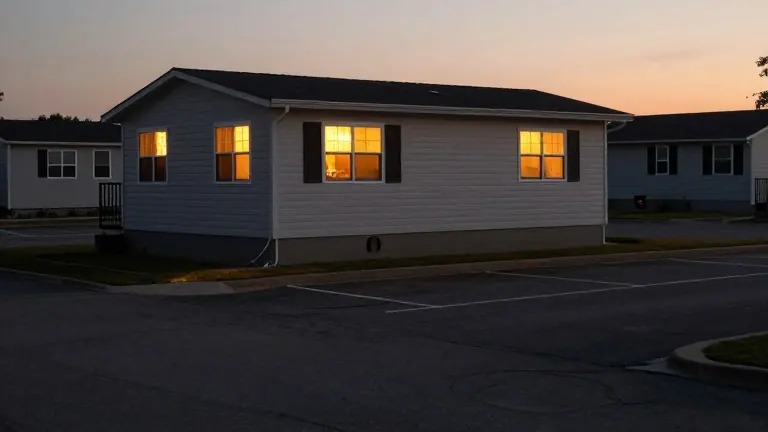
Voters in eight Maine towns approved new limits on mobile home lot rent increases on Tuesday, Nov. 3. The measures passed in Augusta, Eliot, Farmington, Jay, Oakland, Standish, Wells, and Wiscasset. This action brings the number of municipalities in the state with lot rent restrictions to 16. Lewiston will decide later this month if it adopts a similar ordinance by city council vote.
The votes were not close. Unofficial results show that all communities except Farmington and Wiscasset approved their measures by more than 70 percent. Most of the new ordinances tie allowable yearly increases to changes in the Consumer Price Index or set a maximum increase of 5 percent. The Consumer Price Index is a standard measure of inflation.
Housing affordability is a top concern for Mainers heading into the next legislative session. A YouGov survey conducted this summer for the Maine Affordable Housing Coalition confirmed this priority. While mobile homes make up only about 8 percent of the state’s housing stock, 31 percent of those units are located in parks. Voters in the eight towns linked their ballots to wider worries about the tight housing market and rising costs.
The Maine Legislature passed a law in the spring that restricted lot rent increases to once per year. It also required park owners to give residents 90 days notice. However, lawmakers did not set a hard cap on the amount of rent increases. This gap prompted many communities to pursue their own regulations. Park residents often drove these efforts, arguing they did not see service improvements to match their rising costs.
Rebecca Turlo, a resident of Marshwood Estates in Eliot, helped push for the town’s ordinance. She noted that annual increases of 6 to 10 percent continued without upgrades or maintenance. “It was the six to 10 percent increases every year without any upgrades or maintenance. I wanted that to stop,” Turlo said. The park’s lot rent rose 37 percent over the last five years. Residents reported long-running water quality issues, and state regulators found numerous violations. Most violations were fixed this summer after regulators intervened. Eliot’s ordinance caps increases at 3 percent but allows a temporary surcharge for capital improvements. It passed 2,773 to 1,043.
Progressive organizing groups, including the Maine Labor Climate Council, helped support these ballot efforts. Joe Hupperich, an organizing director for the council, said many affected residents are seniors or live on fixed incomes. “Tuesday’s results send a clear message that Mainers believe the people who own their homes deserve stable, predictable housing costs,” Hupperich said in a press release. Some residents also expressed frustration with absentee ownership. Neal Yeaton, 76, of Farmington, said, “These parks are being bought by out-of-staters who don’t maintain them. They’re absentee owners.” Farmington approved its measure by 67 percent.
Other voters cited general cost of living concerns. Justin Long, 46, of Standish, said, “It’s just, everything’s rising. Everything. It’s harder and harder out there for everybody.” Standish’s ordinance passed 3,949 to 1,315. In Augusta, the measure passed 5,867 to 2,010. Jay passed 1,635 to 566, Oakland passed 2,164 to 724, Wells passed 5,594 to 1,494, and Wiscasset passed 1,249 to 784.
The Maine Manufactured Housing Association represents park owners, manufacturers, and dealers. In September, the group said it would sue towns that pass rent caps. Julie Ann Smith, the group’s executive director, did not answer questions about whether that plan remains in effect after Tuesday’s votes. In a statement, she said the group is focused on working with the new administration and local policymakers. “We remain committed to advocating for policies that protect residents while ensuring manufactured housing communities can continue to provide attainable homeownership,” Smith said.