NYC commits $25M to winter readiness after deadly cold snap
Mayor Mamdani's plan adds 800 shelter beds and 300 outreach workers, while the sanitation department upgrades equipment to clear pedestrian areas.
By Riya Zhao ·
Twenty-five million dollars is the new budget line item for New York City’s cold-weather emergency response, a figure Mayor Zohran Mamdani announced Monday. The funding follows a winter in which 19 people were found dead outdoors during a prolonged cold snap. Seven additional residents died of hypothermia inside their homes by mid-February of last year.
The administration is using the new money to expand the Code Blue system. This protocol activates when wind chill temperatures drop to freezing. The plan includes more than 300 additional canvassers assigned to walking and driving routes across the five boroughs. These teams will cover 75% of known locations where homeless New Yorkers stay.
City Hall stated that these outreach teams will engage anyone they encounter who may need help. This approach moves away from relying solely on predetermined contact lists. The goal is to reach people at risk without waiting for specific alerts.
NYC Health + Hospitals will deploy up to 55 mobile medical units for the season. Each unit will be staffed by a registered nurse or nurse practitioner. These teams will provide care and transport individuals to warming centers, hospitals, or other indoor locations.
The city is also adding shelter capacity. The administration announced the addition of more than 600 single and double-occupancy rooms. This expansion provides 800 new shelter beds during the coldest days. The announcement did not specify the locations of these rooms or the exact date they will open.
At the highest emergency level, the Department of Homeless Services will operate four new warming centers. It will also deploy up to 20 warming buses. All 11 NYC Health + Hospitals facilities will be available as warming locations. Four syringe service providers will extend their hours to offer overnight access to warm spaces.
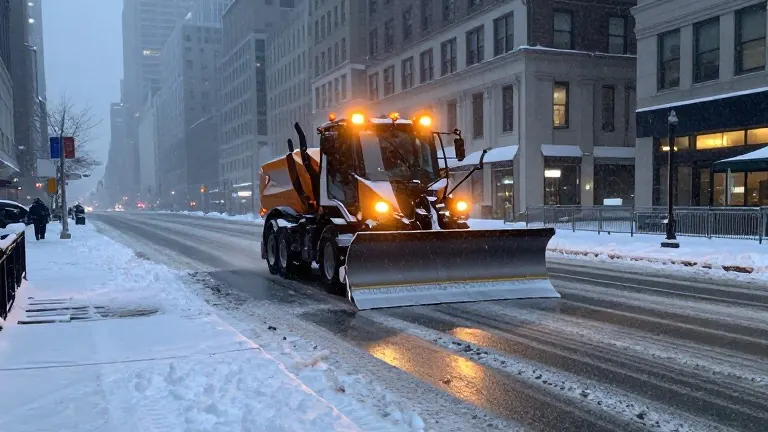
Snow removal procedures have also changed. The Department of Sanitation added eight snowplow routes in Staten Island’s hilliest areas. This change reduces the distance each route covers by more than 25%. The department acquired 120 snow blowers specifically for clearing bus stops and crosswalks.
Officials outfitted 678 plows and spreaders with new blades designed to follow road surfaces more closely. The department incorporated bus stops, sidewalks, and crosswalks into its internal snow removal maps. Sanitation Commissioner Gregory Anderson said the department identified approximately 20,000 corners for priority clearing. These include locations near transit stops and accessible pedestrian signals.
The city is expanding its emergency snow shoveler workforce. More than 3,000 people have registered for the upcoming winter. This follows a wage increase announced in September that raised the standard starting pay from $19.14 to $30 an hour. City Hall reported that more than 2,200 vehicles are ready to be converted into snowplows.
The administration has 700 salt spreaders and 7,000 sanitation workers trained for snow removal. Federal forecasters from the National Oceanic and Atmospheric Administration predict a warmer and wetter winter for much of the East Coast due to a strong El Niño pattern. The agency noted that seasonal forecasts do not predict specific snowfall totals.
City Council Speaker Julie Menin testified at a February hearing that the deaths during the previous cold snap were not inevitable. She pointed to gaps in outreach and shelter capacity. Lawmakers had questioned the system after police responded to 2,679 Code Blue calls in late January and early February. In about 22% of those cases, officers determined that an emergency medical response was unnecessary.