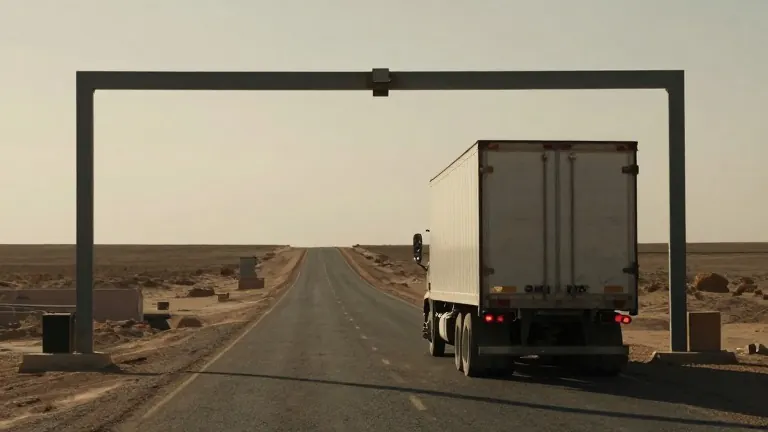
1 Hour: The Gap Between Rescue and Death in a Lebanon Ceasefire Strike
A 21-year-old photographer survived a drone and missile attack in southern Lebanon, but her 42-year-old colleague died roughly an hour before rescuers could return to the scene.
By Elena Perry ·
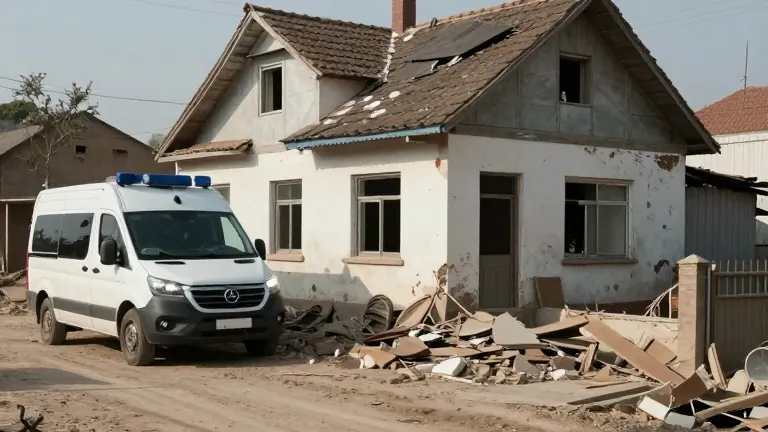
Zeinab Faraj, a 21-year-old photojournalist, survived a series of strikes in the Lebanese village of al-Tiri on April 22, 2026. She emerged from the rubble with a limp, facial injuries, and a missing eyebrow. Her colleague, 42-year-old newspaper reporter Amal Khalil, died approximately one hour before paramedics were cleared to re-enter the area. The attack occurred during a ceasefire that had been in effect for one month.
The strike killed two other men in a vehicle ahead of Faraj and Khalil. Ali Nabil Bazzi, 27, a municipal official in Bint Jbeil, and Mohammed Hourani, 37, a friend of the mayor, were traveling in a car when it was hit by the first missile. Faraj stated that she did not hear the missile approach. She only heard Khalil scream and saw the vehicle catch fire. Both women exited their car to assess the situation. Faraj tried to move closer to see if she could pull Bazzi from the burning vehicle, while Khalil repeatedly said, “Oh God, they’re gone.”
Drones appeared shortly after the initial impact. Faraj described the aircraft flying low and close to her face. She attempted to cover her face, but the drone would fly back up when she did. Emergency services assured them over the phone that help was on the way, but ambulances were prevented from driving to their location. A paramedic instructed them to get back into their car and drive up the road. As they moved into the vehicle, it was struck by a second missile. Both women were thrown backward, with Khalil wrapping her arms around Faraj.
The pair took shelter in a nearby house. Khalil had visible blood on her face, hand, and leg. Faraj sent a message to her sister stating, “There’s no hope left. Forgive me,” before her phone died. They sat on a bathroom floor while Khalil, who was unable to move, waited for rescue. A drone descended toward Faraj, causing her to feel detached from the event. A falling missile struck the building, trapping Faraj under rubble. She could barely breathe and felt a heavy weight pressing down on her body.
A paramedic reached the scene and held Faraj by the shoulders. She clung to him, telling him, “Don’t leave me. I’m afraid to stay alone.” He stayed with her while a second paramedic cleared the debris. As drones returned, the paramedics pulled Faraj free. She heard a stun grenade dropped by a drone as they drove away in an ambulance. She repeatedly mistook the sound of the vehicle for a drone, saying, “They’re going to hit us. We’re not going to make it.”
Upon arriving at the hospital, Faraj asked about Khalil. Nurses initially tried to reassure her but eventually fell silent. Faraj realized then that Khalil was gone. The Israeli military stated that they identified saboteurs violating the ceasefire. Human rights groups called the incident a war crime. The military received repeated messages urging them to allow a rescue operation while the women sheltered in the building. A week prior to the attack, an Israeli military spokesperson shared a video of Khalil published by her newspaper and described it as “terrorist media.” Khalil had also received death threats from Israeli numbers.
Faraj is now preparing to return to university to finish her degree in radio and TV. She has visible injuries to a hand and her face. An injury to her face has affected the movement of one eyebrow, and she has a limp that makes climbing stairs difficult. She wakes at night screaming and buries herself in pillows. The sound of drones and warplanes still puts her on edge. She is repeatedly haunted by the image of Hourani lying on the ground after the first strike, with his head turned toward her and his eyes open.