Cambridge Condo Owners Face $9 Million Demolition Bill After Structural Failure
Riverview residents must pay for the razing of their building while waiting for a court to decide how sale proceeds will be distributed.
By Riya Zhao ·
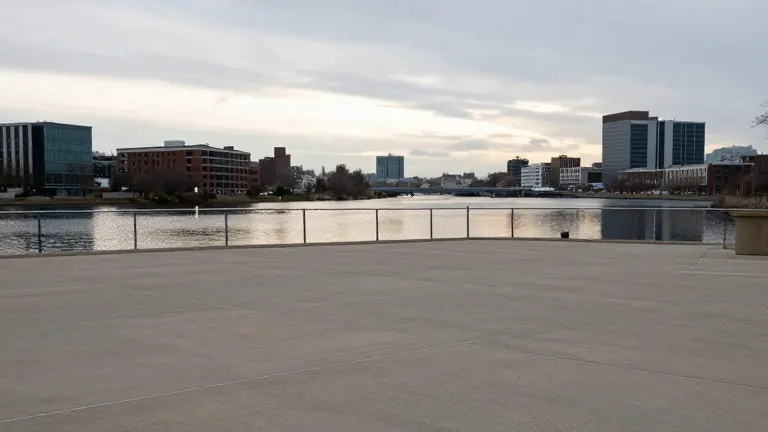
Cambridge residents who lived in the nine-story Riverview condo building now face a collective $9 million bill for demolishing their own homes. The city began sending invoices to individual owners in October, a move that marks the next financial hurdle for a group of homeowners already dealing with legal disputes and insurance denials.
The first point of contention involves the immediate cash flow required to satisfy the city’s demands. Each owner has received an invoice ranging from $36,000 to $244,000, covering costs such as asbestos disposal, police details, and the physical dismantling of the structure. A city spokesperson confirmed that these bills were issued to the individual unit owners rather than the association as a whole. By the end of October, only one-third of these invoices had been paid. The city indicated it can record a lien on the property for any unpaid amounts, which adds a layer of complexity to the eventual sale of the land.
The second issue concerns the division of future sale proceeds among the owners. The condo association’s original plan was to distribute funds based on each owner’s fractional share of the building, typically around 1 percent. Under this model, an owner with a mortgage would handle their debt separately from the bank. However, mortgage lenders have filed legal arguments in Land Court seeking a different distribution method. The banks cite a 2008 federal housing law that they say entitles them to be paid off before other parties. This means lenders want their shares deducted from the total proceeds first, potentially leaving less money for the individual homeowners.
The third complication is the legal battle over priority. If the courts side with the banks, owners who hold their units free and clear may be required to help pay off the mortgages of their neighbors before receiving their own share. Legal filings do not specify the total amount still owed on these mortgages. Two local real estate attorneys stated they had never seen lenders make such a claim in this context. One attorney, Richard Brooks, noted that while a bank could attempt this strategy, the logic behind it remained unclear to him. The Land Court judge is currently weighing these competing claims.
The situation began when residents evacuated the building in 2024 after engineers identified irreparable structural issues with the concrete. The city completed the demolition later this year at the request of the owners. Since then, the former residents have continued to pay property taxes, condo fees, and legal bills. Their casualty insurance claims have been denied, and the insurer has not responded to requests for comment. The land, located on the Charles River, is a highly desirable plot in one of the country’s most expensive real estate markets. An appraisal scheduled for November may provide an estimate of its value, but the final sale price will depend on developer interest.
Linda Salter, 80, who lived in a Riverview unit for less than two years before the evacuation, described the process as a catastrophe. She said the group lacks control over the timeline and the outcome. Many of the former residents are in their 70s and 80s, and at least four have died since the building was vacated. Some have moved into apartments or with family, while others are considering independent living facilities. The Land Court case continues, with no public date set for a resolution.
More Business · Scam Watch · Report a business · Got a Story?