Real Wages Drop Despite Pay Raises
Labor data shows private sector purchasing power fell 0.6% in the last year as inflation outpaced salary increases.
By Andrew Yang ·
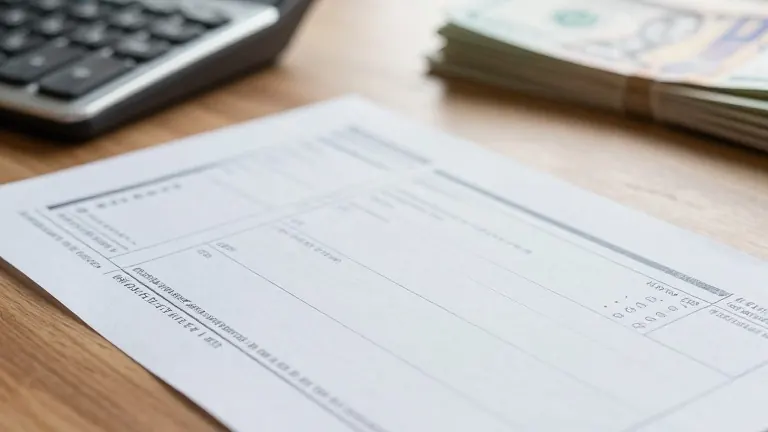
Real wages for private sector workers fell 0.6% over the past 12 months. This decline occurred despite nominal pay raises that the U.S. Department of Labor reports grew 3.1% for the same period. The data, drawn from the Employment Cost Index, indicates that price increases have moved faster than salary growth, reducing the actual purchasing power of American households.
Total compensation for civilian workers rose 3.4% in the 12 months ending in September. This figure includes both wages and benefits. Benefit costs specifically climbed 3.9%, outpacing the wage growth. State and local government workers saw a similar trend, with real wages slipping 0.5% after inflation adjustments. Employers are spending more on pay, yet workers end the year with less money to spend.
The Federal Reserve closely monitors the Employment Cost Index to gauge wage pressure in the economy. The central bank raised its benchmark interest rate six weeks ago, marking the first increase since 2023. This move aimed to tame high inflation. The Fed indicated that another rate hike could occur later this year. The agency is balancing the need to control prices against the risk of slowing hiring or wage growth.
Consumer inflation accelerated in September, according to government data cited by the Associated Press. Goods and services became more expensive during that month. This rise in costs directly impacts the net worth of workers who received pay raises. The gap between nominal gains and real spending power remains the central issue for many American families. The Labor Department report confirms that the current pay increases are not keeping pace with the cost of living.
More Business · Scam Watch · Report a business · Got a Story?