36 Governor Races: 18 to 18 Split and the Open Seats That Will Decide Control
With 19 open governorships and a perfectly balanced starting slate, voters in nine key states will determine which party holds the majority of executive power in America.
By Andrew Yang ·
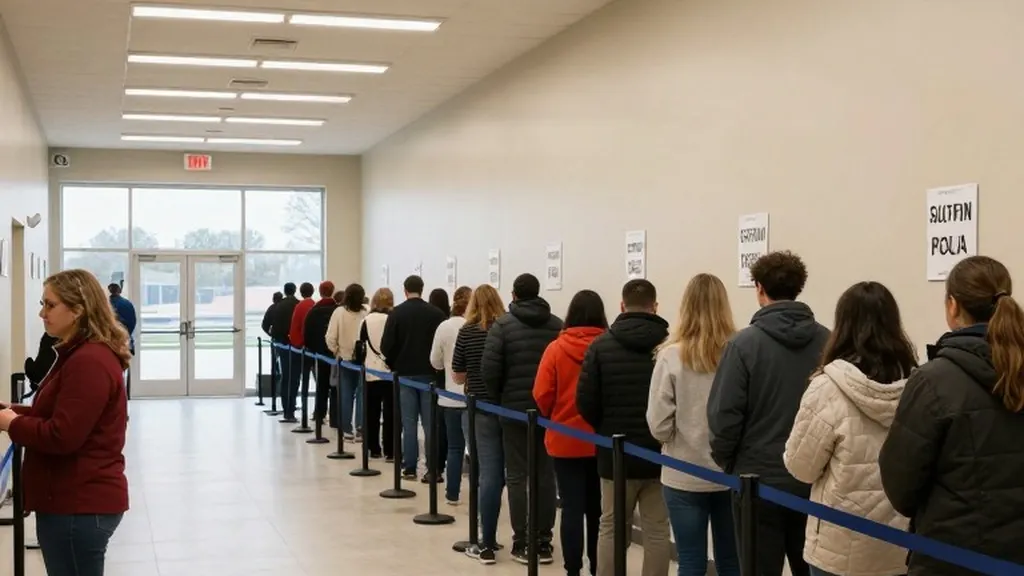
The 2026 midterm elections feature 36 governorships on the ballot, creating a rare and pivotal contest for state executive power. The races are currently split evenly between the two major parties. Republicans and Democrats each hold 18 of the governorships up for election today. This 18 to 18 split sets a perfectly balanced stage for the day's voting. The outcome will determine which party holds the majority of governorships nationwide. Republicans have held the majority of these offices since 2010. Democrats need a net gain of two seats to claim that majority. This would mark the first time in two decades that Democrats hold a nationwide majority of governorships. The stakes are high as voters weigh the performance of current leaders and the promises of challengers.
Nineteen of these 36 races are open seats, meaning no incumbent governor is on the ballot. This high number of open seats significantly increases the volatility of the elections. Ballotpedia notes that 15 of these governors are term limited. Three additional incumbents chose not to run for another term. These include Iowa Governor Kim Reynolds, Minnesota Governor Tim Walz, and Wisconsin Governor Tony Evers. One final seat is open due to a primary loss. Rhode Island Governor Daniel McKee lost his party's nomination. This lack of incumbency advantage allows challengers to define the terms of the debate. It also gives voters the chance to select new leadership without the baggage of a sitting official. The open nature of these races makes them particularly susceptible to shifts in public opinion.
Nine states are identified as battlegrounds for governor. These include Alaska, Arizona, Georgia, Iowa, Kansas, Michigan, Nevada, Ohio, and Wisconsin. In these states, the margin between the top candidates is often within the range of polling error. The Associated Press and PBS NewsHour have highlighted several of these contests as competitive. In Georgia, Republican health care executive Rick Jackson faces Democratic former Atlanta Mayor Keisha Lance Bottoms. This race will determine the successor to Brian Kemp. In Nevada, Republican Governor Joe Lombardo is running against Democratic Attorney General Aaron Ford. These matchups represent key tests for both parties. The results in these nine states will likely decide the national balance of power among governors.
Democrats are defending five governorships in states that Donald Trump won in 2024. These states are Arizona, Kansas, Michigan, Pennsylvania, and Wisconsin. In these areas, Democrats are attempting to hold ground in territories that lean Republican in presidential elections. The defense of these seats is crucial for maintaining a baseline of power. Conversely, Republicans are defending two governorships in states that Kamala Harris won. These are New Hampshire and Vermont. Republicans in these states are looking to maintain their presence in traditionally blue areas. The ability to hold these seats will indicate the strength of each party's ground game. It will also show how well each party can mobilize voters in non-traditional territory.
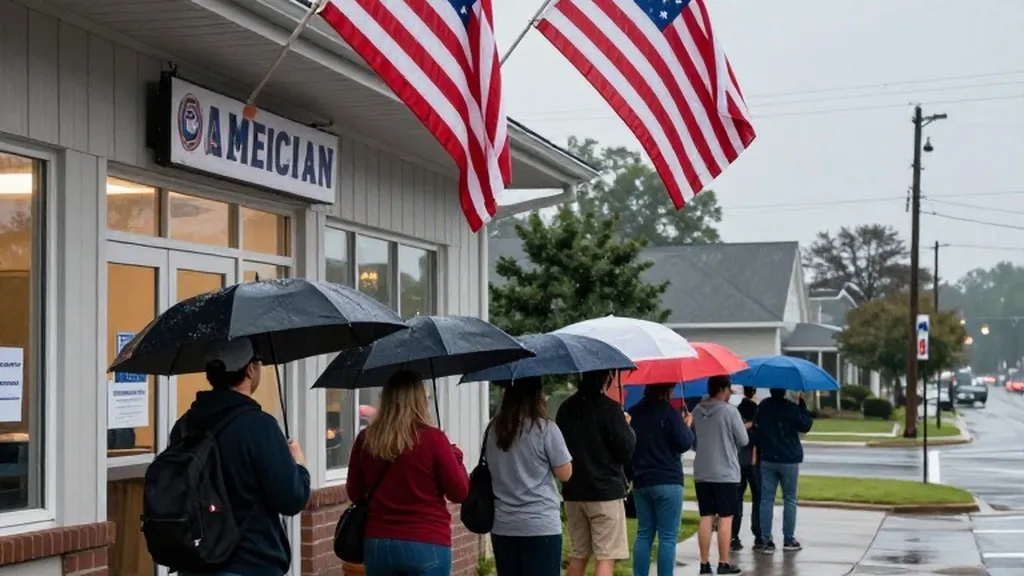
Several notable names are featured in the governor races. In Ohio, Vivek Ramaswamy is running as the Republican candidate. He is facing Democrat Amy Acton. Ramaswamy's campaign recently faced backlash over an advertisement featuring Acton's estranged mother. This incident has drawn national attention to the race. In other states, the races are focused on local issues and the national mood. Voters are looking for leaders who can address their immediate concerns. The economic climate plays a significant role in these decisions. High prices and cost of living issues are central to the conversations in polling places. Candidates are emphasizing their plans to manage state budgets and support local economies.
The mood in the governor races reflects the broader national sentiment. The Associated Press describes the election as a referendum on the current administration. Voters are struggling with high prices and are angry over an unpopular war with Iran. This frustration is evident in the governor races where candidates are scrutinized for their economic records. In the AP-NORC polling, only 25 percent of U.S. Adults approve of the handling of the economy. Most blame the president for high prices. This economic anxiety is driving voters to look for change. It is also influencing how they view the candidates in the 36 governor races. The results will show if voters are ready to reward or punish state leaders for their economic management.
Money is a major factor in these 36 governor races. The 2026 elections are likely to be the most expensive in history. Republican committees have outraised and outspent Democratic committees. This is helped by Trump-affiliated groups and Elon Musk. However, at the candidate level, Democrats have outraised their opponents. This dynamic creates a complex financial landscape. In the general election, 88.1 percent of Republican TV ad spending went to states and districts Trump won in 2024. This includes more than $850 million in areas where he won by 10 points or more. This spending strategy aims to lock in support for down-ballot candidates. It suggests a focus on protecting existing advantages. The heavy spending indicates the importance of these races to the parties.
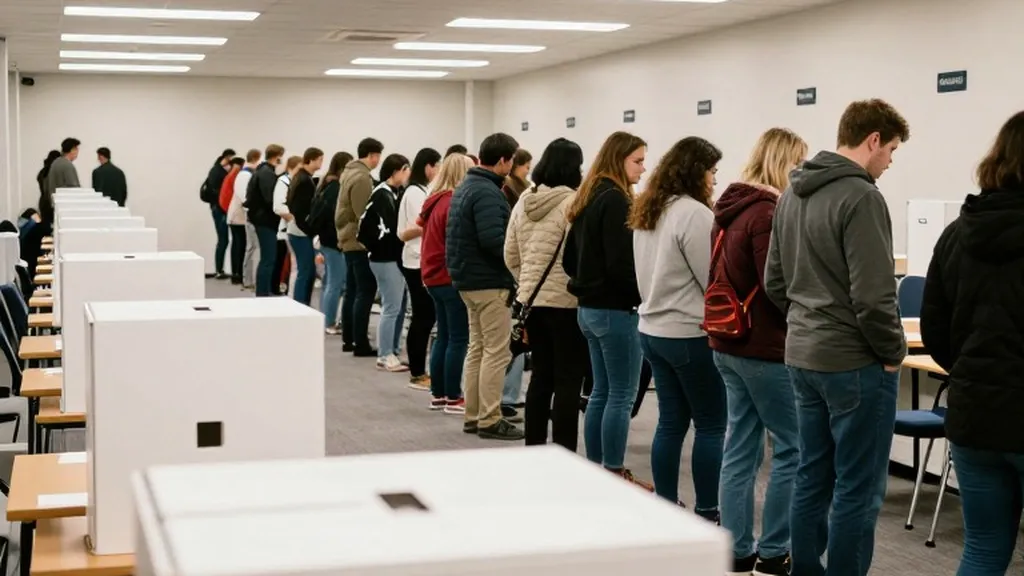
The administration of the election is also a point of contention. A federal judge temporarily barred the Trump administration from carrying out a plan to prevent noncitizen voting. Critics say this plan risks disenfranchising eligible voters. Another judge ordered the administration to stop demanding that California officials segregate ballots. These legal battles are creating uncertainty for election officials. The U.S. Postal Service has added hours and staff to ensure mail ballots are counted on time. This logistical effort is crucial for states that rely heavily on mail voting. The smoothness of the process will affect voter confidence. It will also influence the final outcome of the 36 governor races.