Midterms 2026: Record Spending and the Fight for Congress
With polls open, the most expensive election in history sees Republicans leading committee spending while Democrats hold a candidate-level financial edge.
By Riya Zhao ·
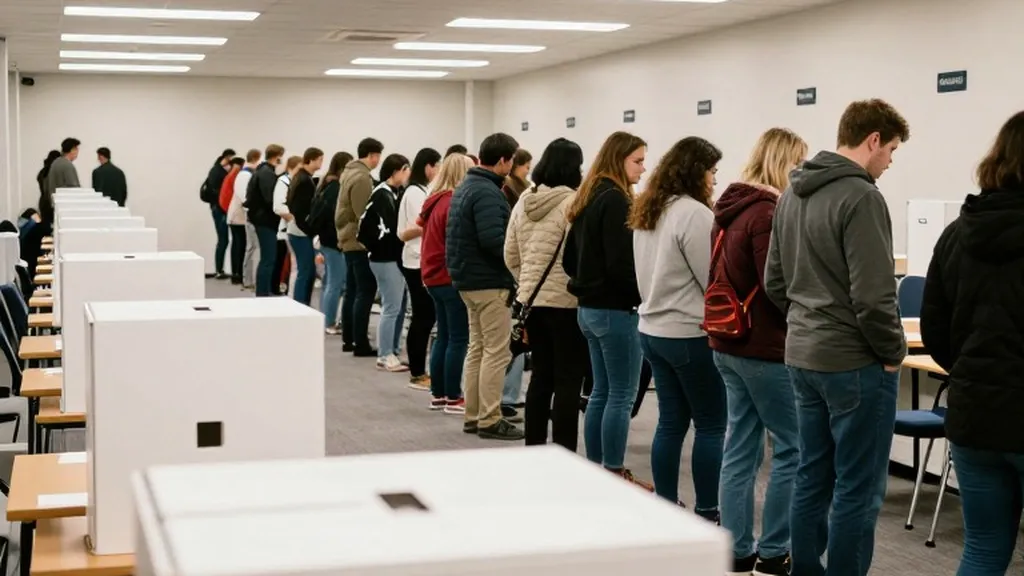
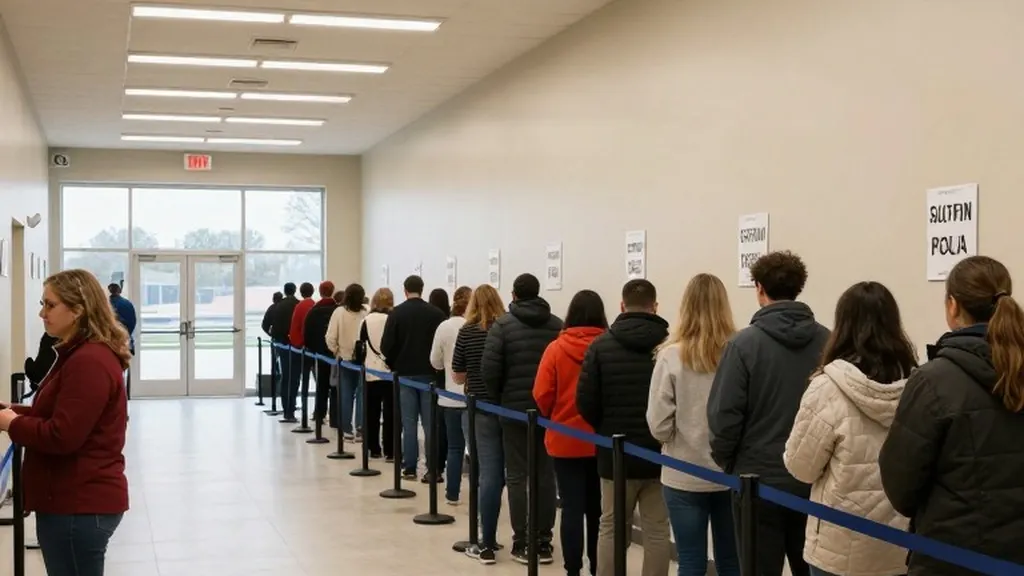
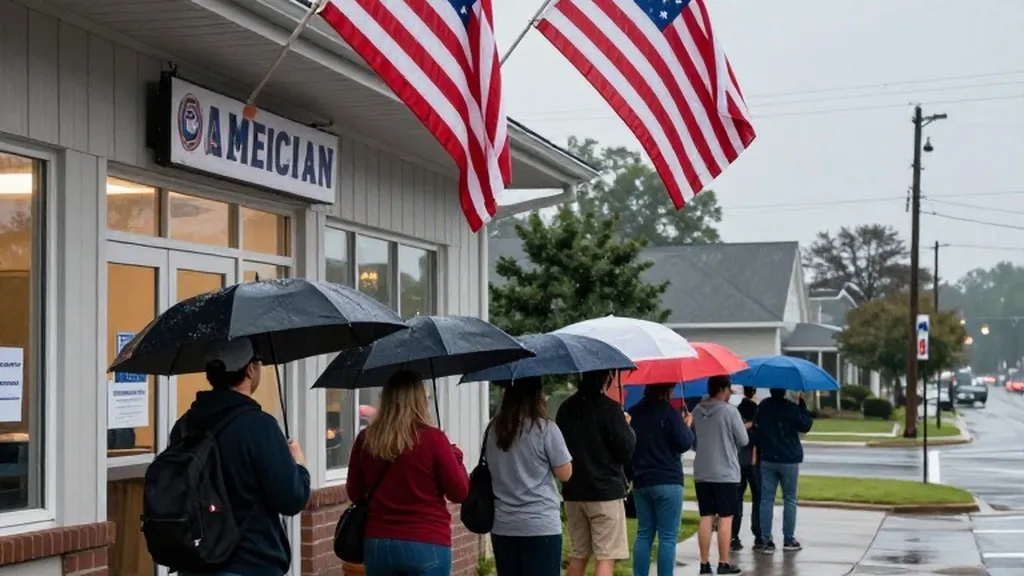
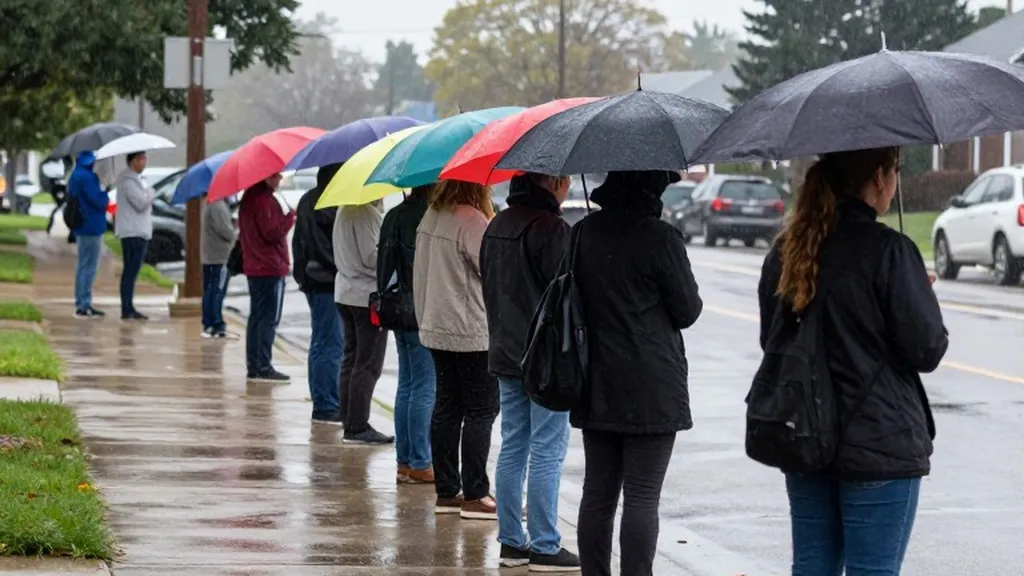
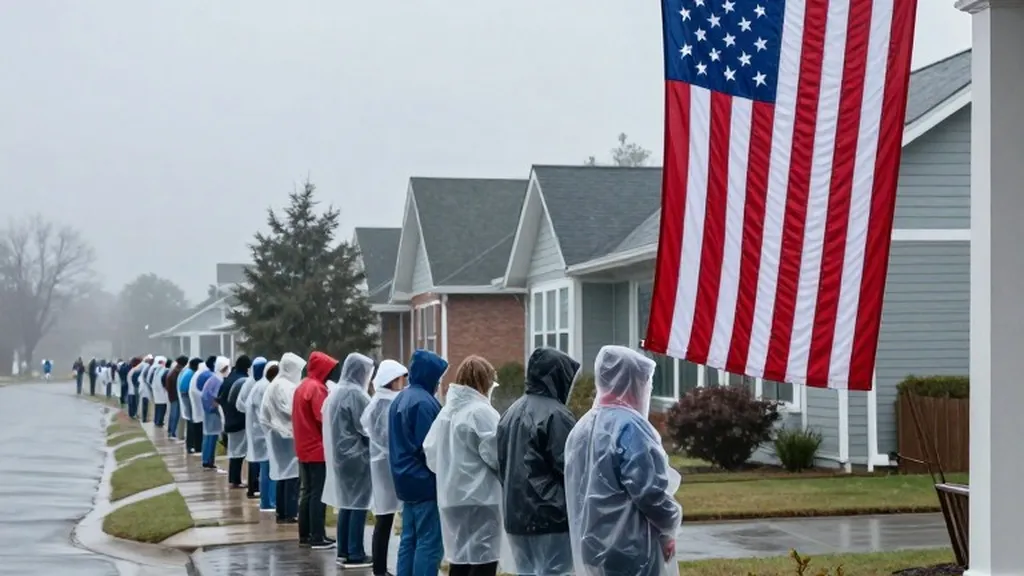
Voters across the United States are casting ballots on Tuesday, November 3, 2026, to decide which party controls Congress for the final two years of President Donald Trump's second term. The midterm election puts all 435 seats in the U.S. House, 35 Senate seats, and 36 governorships on the ballot. The outcome will shape the legislative agenda and oversight powers for the remainder of the administration. Early voting has surged, with more than 57 million people already having voted as of Monday, a number that surpasses the early vote totals from four years ago in many closely watched states.
The financial scale of this contest is unprecedented. Analysts indicate that the 2026 elections will likely be the most expensive in American history. The flow of money has become a central metric for understanding the campaign landscape. Republican committees have outraised and outspent their Democratic counterparts at the committee level. This advantage has been driven by contributions from Trump-affiliated groups and significant support from Elon Musk. The influx of funds has allowed Republican organizations to maintain a robust advertising presence in key battlegrounds.
However, the financial picture is nuanced at the individual candidate level. Democrats have outraised their Republican opponents in most direct races. This candidate-level edge suggests that while the party's central committees may have a larger war chest, individual Democratic campaigns are effectively mobilizing resources to support their specific races. The divergence between committee spending and candidate fundraising highlights the different strategies employed by each party to secure victory in the House and Senate.
An analysis of television ad spending by the Associated Press reveals where the money is being deployed. Eighty-eight point one percent of Republican general election TV ad spending has gone to states and districts that Trump won in 2024. This concentrated effort is particularly pronounced in areas where Trump won by ten points or more, where more than 850 million dollars in ads have aired. This strategy reflects a focus on reinforcing the party's base in Republican-leaning territories. In contrast, Democratic spending has been more distributed, targeting districts where they believe they can make gains to secure a majority in the House.
The stakes for control of the House are precise. Democrats need a net gain of three districts to take the majority, while Republicans can lose no more than two seats to maintain their current advantage. Ballotpedia identifies 46 battleground districts in the House, with 25 currently held by Democrats and 21 by Republicans. The map includes complex dynamics, such as 21 Democratic-held districts that voted for Trump in 2024 and nine Republican-held districts that voted for Kamala Harris. These cross-pressures make the outcome of these specific races critical to the final tally.
In the Senate, Democrats require a net gain of four seats to seize control, whereas Republicans can only afford to lose two. Thirteen Senate races are considered battlegrounds, including contests in Alaska, Georgia, Iowa, Kansas, Michigan, and North Carolina. The Associated Press notes that economic strain and tariffs have made states like Maine competitive, where Senator Susan Collins faces a challenge from Democrat Troy Jackson. Other key matchups include North Carolina, where former Governor Roy Cooper runs against former RNC chair Michael Whatley, and Ohio, where former Senator Sherrod Brown opposes incumbent Jon Husted.
Governor races also carry significant weight, with 36 offices up for election. Republicans currently hold 26 governorships, while Democrats hold 24. Democrats would need to gain two governorships to achieve a nationwide majority, a feat they have not accomplished since 2010. The Associated Press highlights competitive races in Texas, Florida, and Iowa. In Georgia, Republican Rick Jackson challenges former Atlanta Mayor Keisha Lance Bottoms. In Ohio, Vivek Ramaswamy faces Amy Acton. The outcome of these state executive races will influence the broader political landscape and potential 2028 presidential aspirations.
The mood among voters is shaped by economic concerns and the direction of the country. AP-NORC polling indicates that 35 percent of U.S. adults approve of Trump's job performance, while 25 percent approve of his handling of the economy. About seven in ten respondents say the country is heading in the wrong direction. Many voters blame the president for high prices. This sentiment is echoed by voters on the ground, such as James Moore, a librarian in Raleigh, North Carolina, who stated he is paying more for taxes, healthcare, and everyday goods. Conversely, some voters, like Mark Barker of Palm Beach Gardens, Florida, remain supportive of the president's performance.
Republican Party leadership emphasizes turnout as the decisive factor. RNC Chairman Joe Gruters stated that everything depends on turning out voters. The party has tried to counter the typical midterm losses for a president's party through redistricting efforts. New congressional maps are in effect in six states, including California, Florida, Missouri, North Carolina, Tennessee, and Texas. However, experts note that these new districts may not vote exactly as drawn. Democrats, described as cautiously optimistic, point to the anger among voters regarding the cost of living and the unpopular war with Iran as tailwinds for their candidates.
The administration has also been active in election administration, with a federal judge temporarily barring a plan to prevent noncitizen voting. The Justice Department has threatened to prosecute local election officials, raising concerns about interference. The U.S. Postal Service has added staff and hours to ensure mail ballots are counted on time. As polls open and close across the country, the focus remains on the final count of votes in the pivotal districts and states that will determine the balance of power in Washington.
Wall Street is also watching the results closely, as control of Congress could impact investor confidence regarding debt ceiling negotiations and spending on artificial intelligence. The election serves as a referendum on the second term, with voters making decisions on a wide array of issues. The final outcome will set the tone for the legislative session beginning in January 2027 and influence the political trajectories of key figures on both sides of the aisle.