Ten pivotal Senate races define the 2026 midterm map
Voters in North Carolina, Georgia, Ohio, Michigan, Texas, Maine, New Hampshire, Minnesota, Kansas, and Alaska decide control of the upper chamber.
By Elena Perry ·
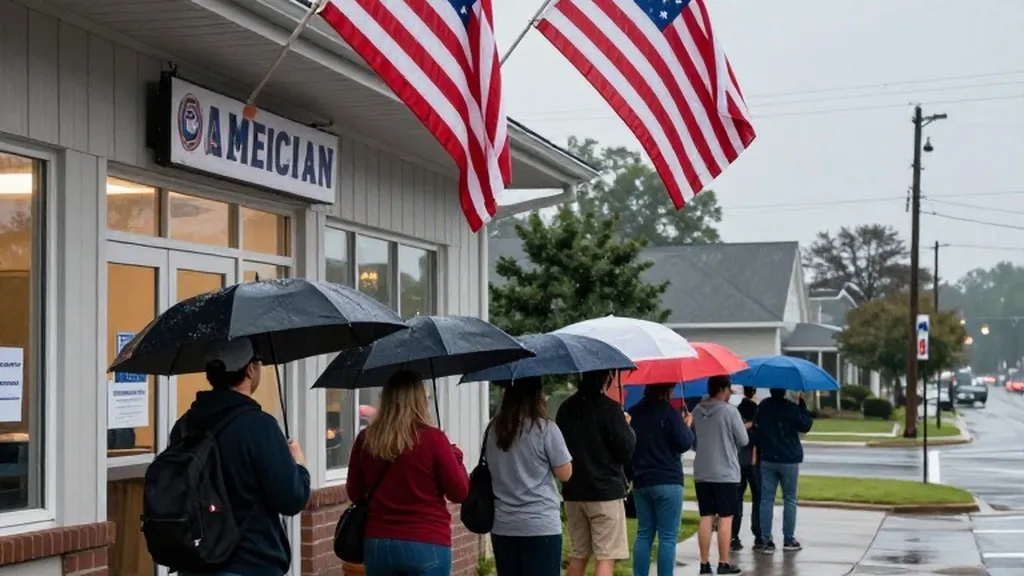
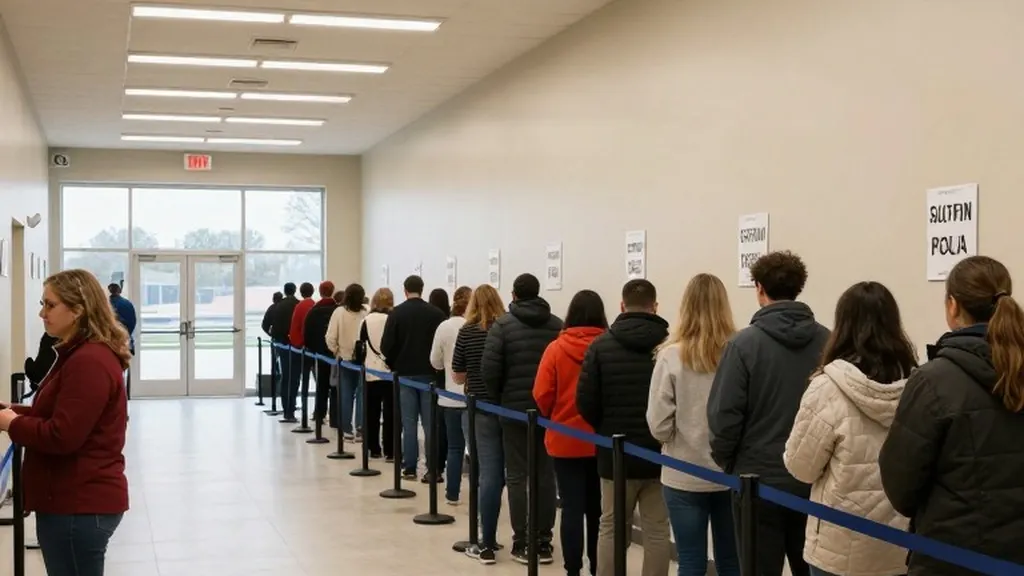
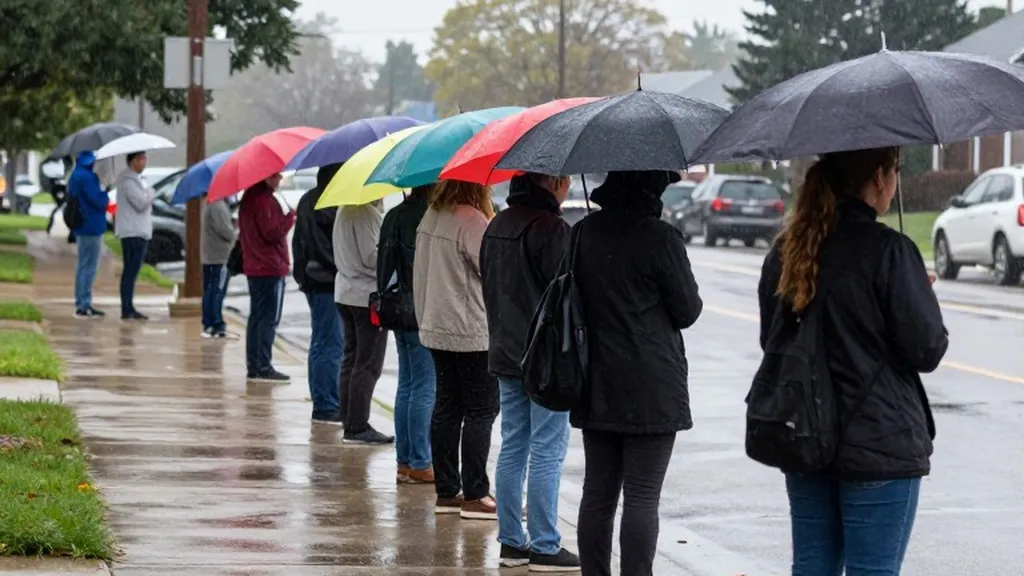
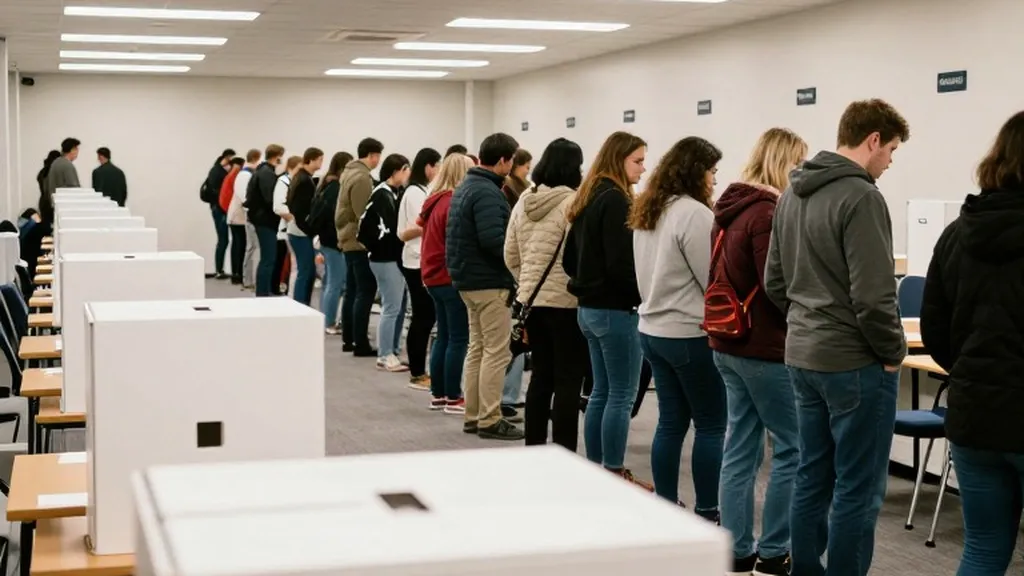
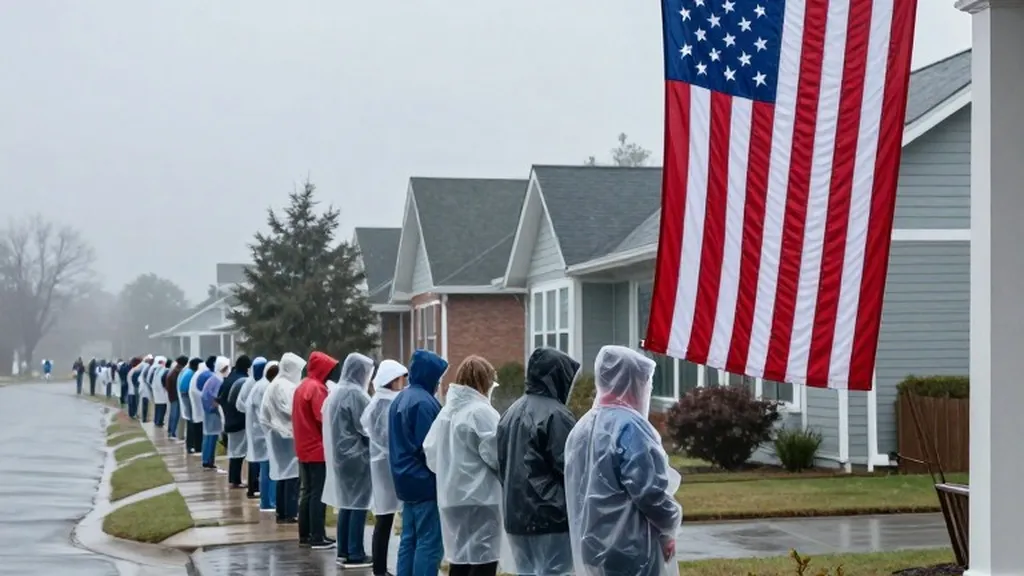
Election Day has arrived with polls open across the nation, and the focus is squarely on thirty-five Senate seats. Of those, ten specific matchups in North Carolina, Georgia, Ohio, Michigan, Texas, Maine, New Hampshire, Minnesota, Kansas, and Alaska are viewed as critical to determining which party controls the chamber for the next two years. Republicans currently hold fifty-three seats, while Democrats hold forty-five, with two independents caucusing with the Democrats. To gain a majority, Democrats need a net gain of four seats, whereas Republicans can afford to lose only two.
In North Carolina, the race is between Democratic former Governor Roy Cooper and former Republican National Committee chair Michael Whatley. The seat is open following the retirement of Senator Thom Tillis, who stepped down after public clashes with President Donald Trump. The state voted for Trump by a margin of 3.3 percent in 2024, making it a competitive environment for both parties. Voters there are weighing the president's second term against local economic concerns.
Georgia presents another key contest, pitting incumbent Senator Jon Ossoff against Republican Representative Mike Collins. This state voted for Trump by 2.2 percent in the 2024 presidential election. The AP-NORC poll indicates that 35 percent of U.S. adults approve of Trump's job performance, a figure that resonates with voters in this battleground. The outcome here will significantly influence the balance of power in the Senate.
Ohio features a special election to fill the remainder of the term formerly held by Vice President JD Vance. The matchup is between Democratic former Senator Sherrod Brown and Republican Senator Jon Husted. The state voted for Trump by 11.2 percent in 2024. Republicans are bracing to lose the House but are fighting hard to hold the Senate, with Ohio being a crucial part of that effort. The new congressional map in Ohio adds a layer of complexity to the district-level races as well.
In Michigan, the seat is open after the retirement of Senator Gary Peters. The race pits Republican former Representative Mike Rogers against Democrat Abdul El-Sayed. Notably, El-Sayed's former primary opponent, Haley Stevens, endorsed Rogers on Sunday. The state voted for Trump by a slim 1.4 percent in 2024, placing it in the toss-up to lean Democratic category according to several race ratings. This narrow margin highlights the importance of turnout in this industrial state.
Texas is seeing a battle between Republican Attorney General Ken Paxton and Democrat James Talarico. President Trump backed Paxton over Senator John Cornyn during the primary, signaling his support for the more conservative candidate. The state voted for Trump by 13.6 percent in 2024. With all 435 House seats and 36 governorships also on the ballot, the Texas vote is part of a broader test of Republican strength in the South. The AP notes that one or two Senate seats could tip the balance of either chamber.
Maine stands out as a toss-up on all four major race ratings. Senator Susan Collins, a Republican, is running against Democratic former state Senate President Troy Jackson. The state voted for Kamala Harris by 6.9 percent in 2024. The AP notes that economic strain and tariffs have made the state particularly competitive. Collins has been a moderate voice in the Senate, and her re-election would maintain a key Republican presence in a state that has trended blue in recent years.
New Hampshire offers an open seat following the retirement of Senator Jeanne Shaheen. The race is between Democratic Representative Chris Pappas and former Republican Senator John E. Sununu. The state voted for Harris by 2.8 percent in 2024. This matchup is significant because it involves two experienced politicians with deep ties to the state. The outcome will reflect the shifting political dynamics in the New England region.
Minnesota has an open seat after the retirement of Senator Tina Smith. The field includes Democratic Lieutenant Governor Peggy Flanagan and Republican Michele Tafoya, a former sports broadcaster. The state is one of several using new congressional maps after mid-decade redistricting. With the governor's race also competitive, the statewide vote in Minnesota will be a barometer for national sentiment. The AP describes the election as a referendum on Trump's second term, with voters struggling with high prices.
Kansas, traditionally a reliable Republican stronghold, has become central to the fight for Senate control. The seat is held by Republican Roger Marshall, and the state voted for Trump by 16.2 percent in 2024. Despite the margin, the race is rated as a toss-up to lean Republican. President Trump held a rally in Salina, Kansas, on Sunday, urging voters to support his party. His administration has also filed lawsuits in states like Alaska and California, adding to the legal landscape surrounding the election.