Midterm Stakes: House Control, Senate Races, and the 2028 Path
With polls open, the outcome will determine congressional investigations, nominee confirmations, and the field for the next presidential election.
By Elena Perry ·
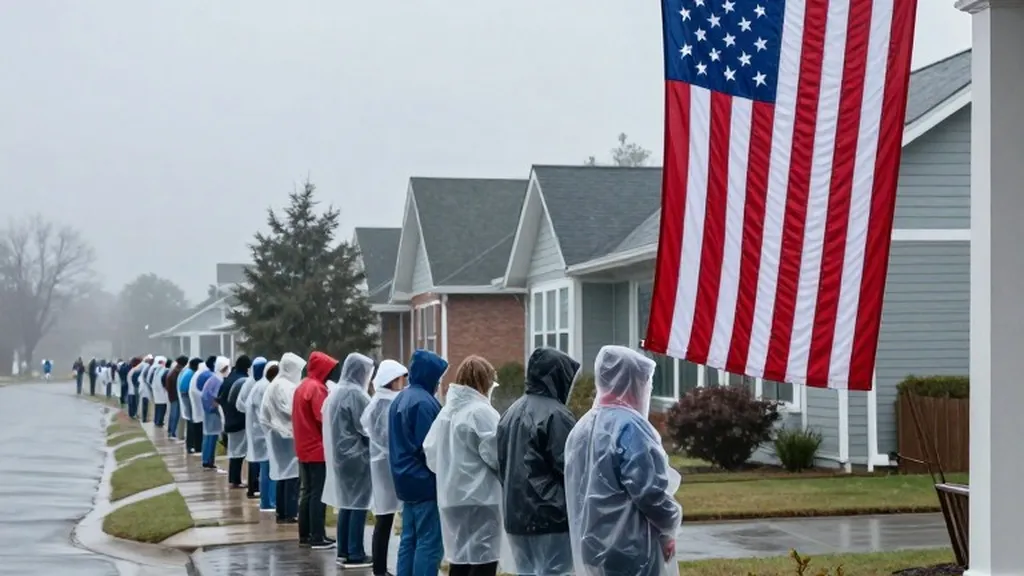
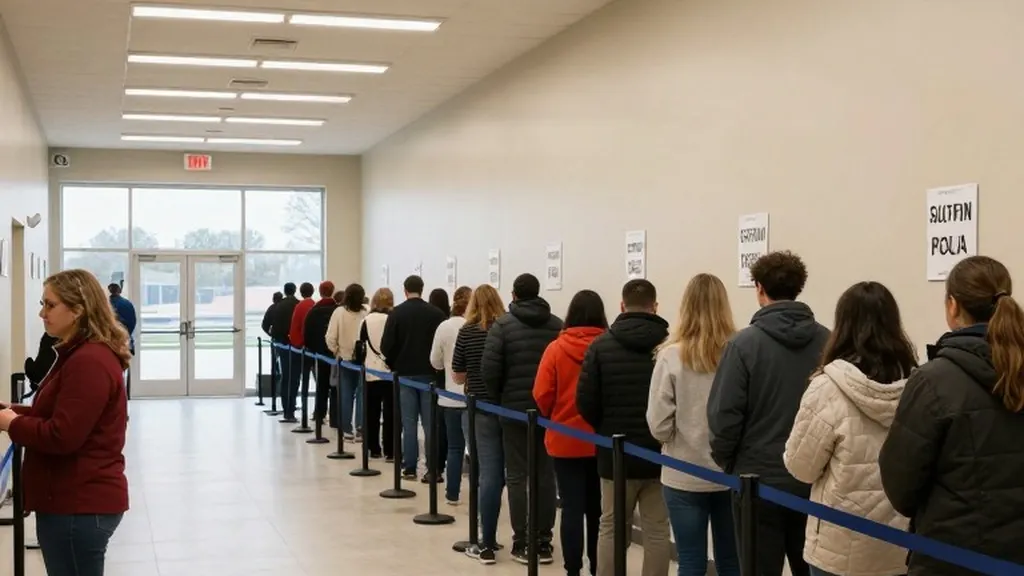
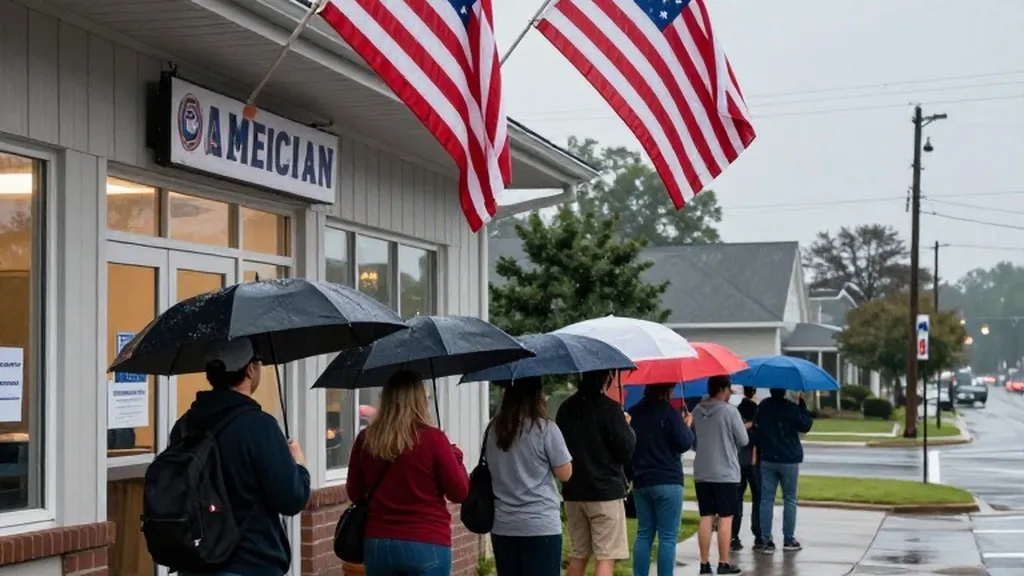
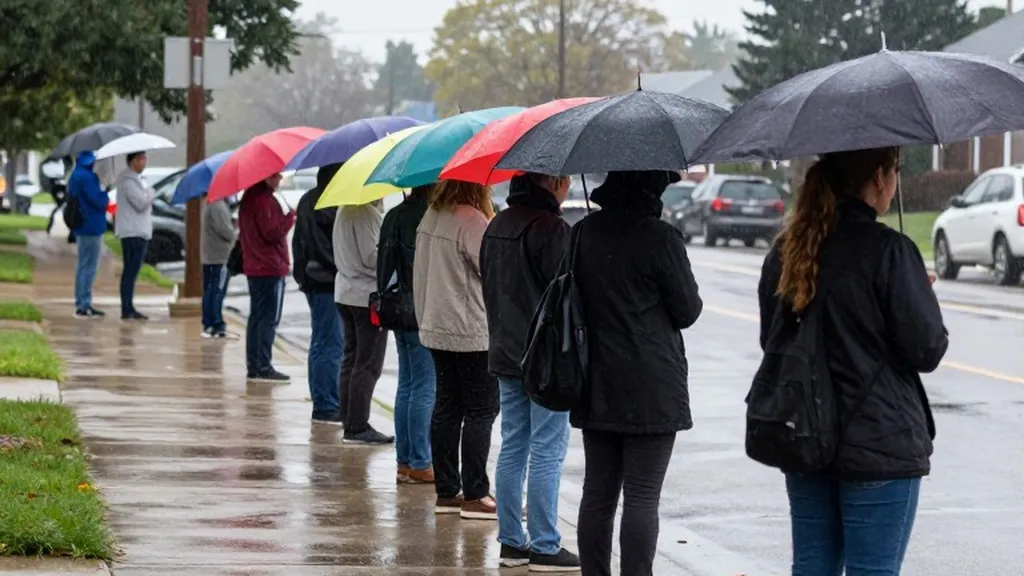
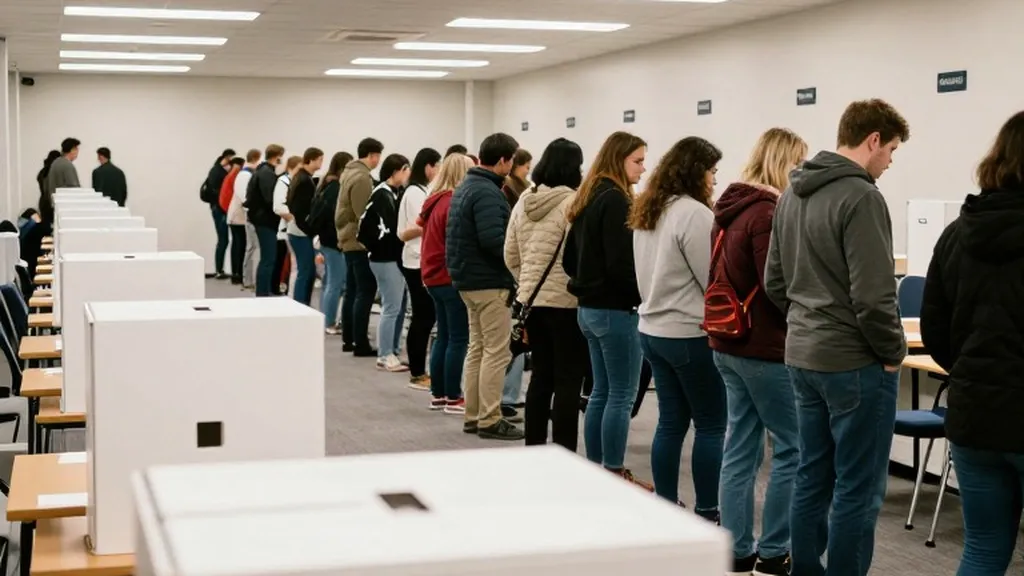
Voters across the United States are heading to the polls on Tuesday, November 3, 2026, to decide which party will control Congress for the final two years of President Donald Trump's second term. The Associated Press describes the election as a referendum on the current administration, noting that many voters are struggling with high prices and an unpopular war with Iran. This midterm election is critical because it will determine whether the president's party maintains its grip on legislative power or if the opposition gains the leverage to launch new oversight efforts.
In the House of Representatives, all 435 seats are up for election. Republicans currently hold 218 seats while Democrats hold 214, with one independent and some vacancies. Democrats need a net gain of three districts to secure a majority, whereas Republicans can afford to lose no more than two seats. The AP-NORC poll indicates that 35 percent of U.S. Adults approve of Trump's job performance, a figure that may influence voter turnout in competitive districts. More than 57 million people had already voted as of Monday, surpassing early vote totals from four years ago in many closely watched states.
The Senate race involves 35 seats, including 33 regular elections and two special elections for the remaining terms of Marco Rubio and JD Vance. Republicans hold 53 seats and Democrats 45, with two independents caucusing with the Democrats. Democrats need a net gain of four seats to take control, while Republicans can lose only two. Key battlegrounds include Alaska, Georgia, Iowa, Kansas, Maine, Michigan, Montana, Nebraska, New Hampshire, North Carolina, Ohio, and Texas. The AP notes that economic strain and tariffs have made states like Maine competitive, while Kansas has become central to the fight for Senate control despite being reliably Republican.
If Democrats win control of either chamber, investigations and possible impeachment proceedings become likely. House Democratic Leader Hakeem Jeffries has outlined a 100-day agenda focused on the cost of living and oversight if he becomes speaker. He would be the first Black speaker of the House. A strong Democratic performance would also boost potential 2028 presidential candidates such as Gavin Newsom, JB Pritzker, and Pete Buttigieg. Conversely, a Republican hold could complicate Vice President JD Vance's path to the White House in the next election cycle.
Republican committees have outraised and outspent Democratic committees at the committee level, helped by Trump-affiliated groups and Elon Musk. However, at the candidate level, Democrats have outraised their opponents. An AP analysis of AdImpact data shows that 88.1 percent of Republican general election TV ad spending went to states and districts Trump won in 2024. This includes more than 850 million dollars spent in areas where he won by 10 points or more. RNC Chairman Joe Gruters emphasized that everything depends on turnout, stating that if they turn out their voters, they win.
Democrats are cautiously optimistic about their chances, with DCCC Chair Rep. Suzan DelBene stating that the American people are angry and want change. The AP notes that one or two seats could tip either chamber, highlighting the narrow margins in play. In the governor's races, Democrats aim to hold a majority of governorships for the first time in two decades. Republicans currently hold 26 governor's offices, while Democrats hold 24. The AP identifies Texas, Florida, and Iowa as competitive governor races where the outcome could shift the balance of power at the state level.
Election administration has been a point of contention, with a federal judge temporarily barring the Trump administration from carrying out a plan to prevent noncitizen voting. Critics argue that the plan risks disenfranchising eligible voters and infringes on states' authority over elections. The U.S. Postal Service has added hours, staff, and special lines to ensure mail ballots are counted on time. Wall Street is also watching the results, as the outcome could add to investor concerns about AI spending and debt ceiling negotiations.
Voters are making their decisions based on a mix of personal economic experiences and national issues. Mark Barker of Palm Beach Gardens, Florida, said he has been following Trump the whole time and thinks he is doing an awesome job. In contrast, James Moore, a librarian in Raleigh, North Carolina, noted that he is paying more taxes and more for healthcare. These individual stories reflect the broader national debate on the cost of living and the direction of the country, with about 7 in 10 adults saying the country is heading in the wrong direction.
The new congressional maps in six states, including California, Florida, Missouri, North Carolina, Tennessee, and Texas, are also playing a role in the election. Ohio is using a new map as well. Republicans tried to beat the midterm pattern, where a president's party almost always loses seats, through redistricting. However, new districts in Florida and elsewhere may not vote as drawn. The outcome of these districts could be decisive in determining the final composition of Congress.
Polls remain open across the country, with hours varying by state. In Alabama, polls are open from 7 a.m. To 7 p.m., while in Alaska, they close at 8 p.m. California, which largely votes by mail, has polls open from 7 a.m. To 8 p.m. The AP continues to report on the day's developments, with Trump holding his final rally in Salina, Kansas, where he asked voters to pretend he was on the ballot. The results will not be known until polls close, but the stakes for the next two years of American governance are clear.