How 250 Democrats Won Control After a Historic Election Night
The practical mechanics of the November 3 vote, from poll hours to mail ballots, set the stage for a wave that shifted both federal chambers.
By Riya Zhao ·

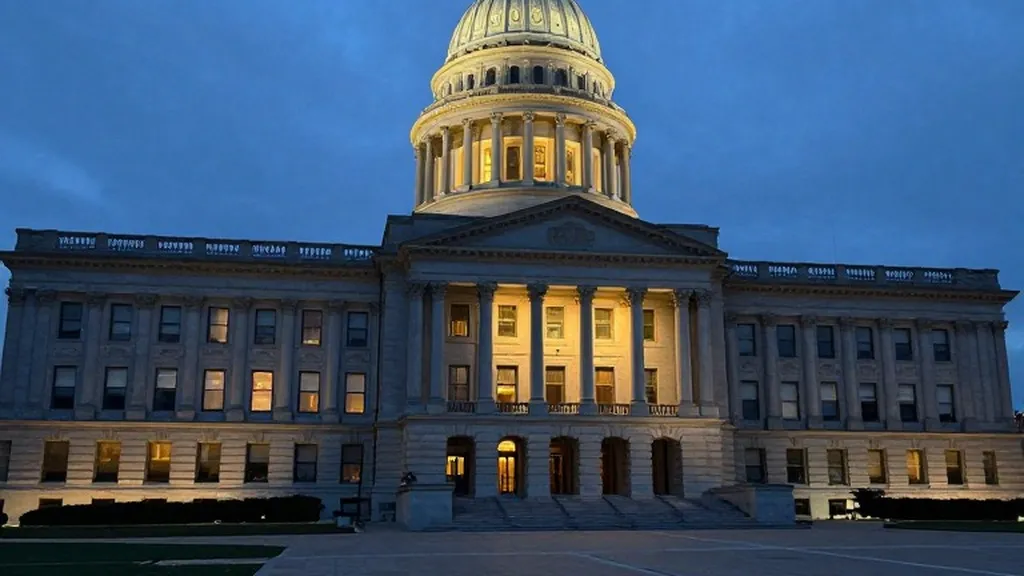
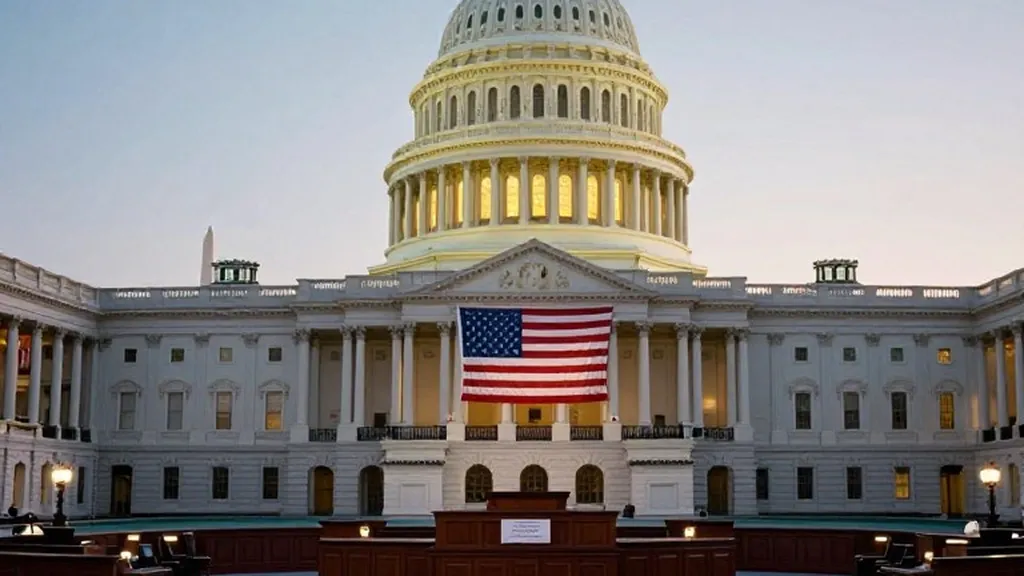
The midterm elections held on Tuesday, November 3, 2026, concluded with a decisive shift in power that reshaped the federal government. Democrats secured majorities in both the United States House of Representatives and the Senate, marking a significant departure from the previous legislative landscape. The results, compiled by Ballotpedia, indicate that Democrats won at least a 250 to 157 majority in the House. This outcome reflects a net loss of at least 42 seats for Republicans, a figure that falls slightly short of the 48-seat threshold typically defined as a wave election, though uncalled races could still alter that total.
In the Senate, the shift was equally profound. Democrats captured seven seats, all of which were previously held by Republicans. As of 4:00 PM Eastern Standard Time on November 6, the Democratic majority stood at 54 to 44. This net loss of at least seven Senate seats places the 2026 election in the top 20% of election years in terms of seat swings against a president’s party. This statistical benchmark qualifies the event as a wave election under established historical definitions, signaling strong voter movement across the country.
The practical execution of the election relied on a complex infrastructure of state-specific rules and federal guidelines. Voters navigated varying poll hours that differed by state, requiring careful attention to local deadlines. The use of vote.gov provided a central resource for citizens to find their specific polling locations and verify their registration status. This digital tool helped streamline the process for millions, ensuring that administrative hurdles did not impede participation. The consistency of these resources was critical in a year where turnout played a decisive role in the outcome.
Mail ballots represented a significant portion of the total votes cast, highlighting the enduring importance of the Postal Service in the democratic process. The timely delivery and counting of these envelopes required coordination between state election offices and federal postal logistics. Many states implemented strict deadlines for postmarks and receipt dates, which voters had to track closely to ensure their ballots were counted. The integrity of this system was paramount, as delays or errors could have impacted the final tallies in closely contested districts.
Staying in line at polling places was a common experience for voters across the country, with wait times varying based on local turnout and staffing levels. Election officials emphasized the importance of patience and organization, providing clear instructions on ID rules and ballot handling. These rules, which differed by jurisdiction, required voters to present specific forms of identification or sign affidavits. The clarity of these instructions helped reduce confusion and ensured a smooth flow of voters through the voting booths.
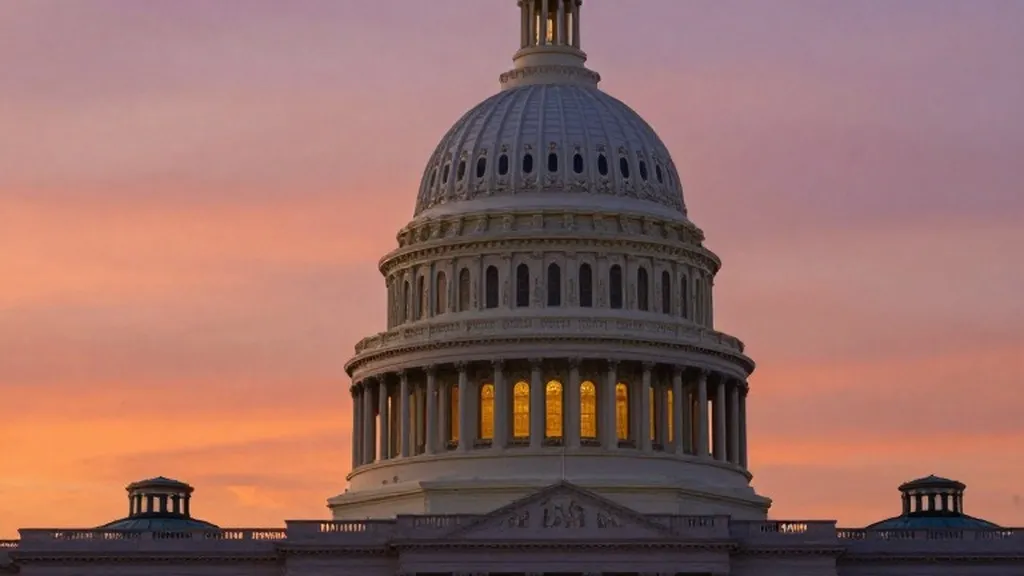
The election results have immediate implications for the balance of power in Washington. With Democrats holding majorities in both chambers, they now possess the legislative tools to advance their agenda. This includes the power to initiate investigations, control appropriations, and shape the federal budget. The shift allows for a renewed focus on issues such as education policy and federal oversight, areas where the previous majority had limited influence. The new control of the Senate also opens the door to confirming key appointments and passing legislation with a higher threshold of support.
The House majority of 250 seats provides Democrats with a comfortable margin to pass bills, though they still face the veto power of the executive branch. This dynamic requires strategic planning and coalition building to overcome potential vetoes. The previous majority had struggled with these hurdles, often relying on procedural maneuvers to advance legislation. The new majority must navigate similar challenges while addressing the priorities of their constituents, including economic concerns and border security.
The election also saw Democrats win a plurality of state government trifectas and a majority of governorships for the first time since before the 2010 elections. This expansion of power at the state level complements the federal gains, creating a more cohesive political landscape. State legislatures now have greater influence over local policies, including education, healthcare, and infrastructure. This alignment of state and federal power could facilitate more consistent policy implementation across the country.
The results reflect the priorities of voters who focused on turnout, the economy, and border security. The Republican party faced significant losses, with many blaming their election wipeout on specific policy decisions and leadership choices. The shift in public sentiment was evident in the margins of victory in key districts, where Democrats gained ground in traditionally competitive areas. This movement suggests a broader realignment of voter preferences, driven by economic conditions and national security concerns.
As the new Congress prepares to convene in January, the focus will turn to the practical steps needed to implement the legislative agenda. The immediate task is to organize committees and establish leadership structures that reflect the new majorities. This process will involve negotiations and compromises, as Democrats work to build a unified front. The goal is to leverage their new power to address the issues that resonated with voters on November 3.
The election of November 3, 2026, stands as a pivotal moment in recent political history. The shift in power from Republicans to Democrats in both federal chambers signals a change in the direction of national policy. The practical details of the election, from poll hours to mail ballot processing, played a crucial role in determining the outcome. As the new leadership takes office, the focus will be on translating this mandate into tangible results for the American people.