Democrats seize Congress, Trump vows fight against new oversight agenda
With control of both chambers now in Democratic hands, the president declared that investigative requests by lawmakers amount to extortion at the highest level.
By Andrew Yang ·
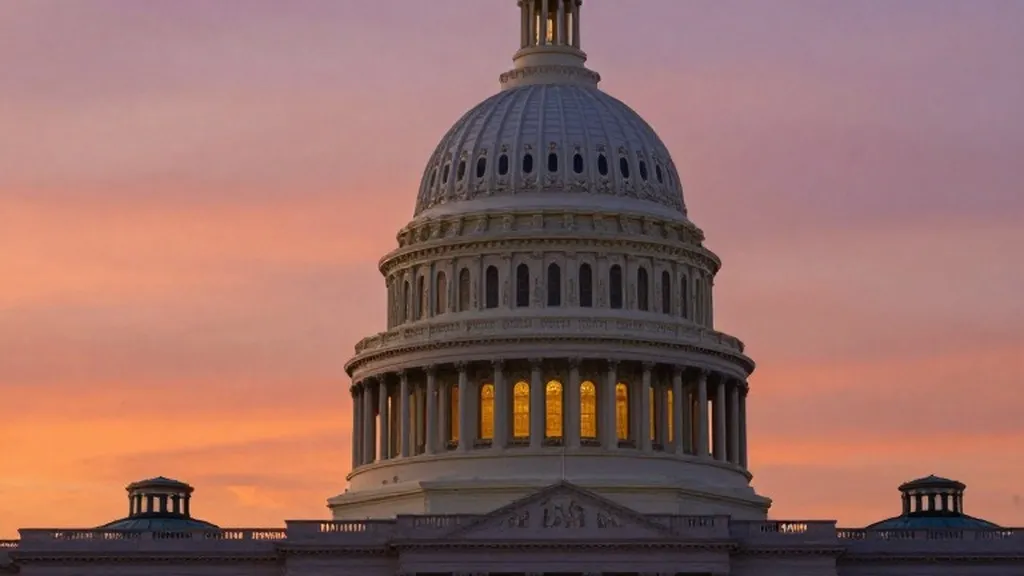
The midterms have concluded with a significant shift in power that will define the final two years of the Trump administration. Democrats have secured healthy majorities in both the House and the Senate, a result that sets the stage for an immediate and aggressive push for oversight of the executive branch. The outcome reflects a electorate that demanded stronger checks and balances, with about seven in ten voters nationally stating that Congress was not doing enough in this area. This shift in control places the institution in a position to act with greater force against the White House, marking a clear departure from the previous legislative dynamic.
President Trump moved quickly to frame the new political reality as a confrontation. On social media, he declared that the investigative requests already made by Democrats are extortion at the highest level. He argued that those making these demands should be held accountable for their aggressive posture. This rhetoric sets a combative tone for the coming year, signaling that the president intends to resist what he views as an overreach of legislative power. The administration is preparing to defend its actions against what it considers a politically motivated blitz by the new congressional majority.
Attorney General Todd Blanche echoed the president's defiant stance during appearances on Sunday news shows. He stated that criminal investigations of Democrats are possible if they continue to threaten existing members of the administration and companies. Blanche emphasized that the president is worried about this pattern of behavior and believes he should be. This alignment between the executive branch and its legal counsel suggests a unified front against the new congressional leadership. The Justice Department is positioned to play a central role in the upcoming battles over investigative authority and executive power.
Rep. Robert Garcia, who is poised to chair the powerful House Oversight Committee in the next Congress, has prepared for this confrontation. He is planning investigations into what he calls the Trump crime family, signaling a broad scope of inquiry. Garcia stated that Democrats are not going to be intimidated by the executive branch's resistance. He noted that the days of not fighting back are over, a sentiment that resonates with many in the party who feel a mandate to pursue accountability. This aggressive approach is expected to define the early agenda of the new House majority.
Democratic House leader Hakeem Jeffries, who is on the cusp of becoming the nation's first Black House speaker, has also outlined the party's strategy. He said that if people have been shortchanging or stealing from the American people, they need to be held accountable in a manner consistent with the constitutional role of Congress. Jeffries confirmed that impeachment is an option for the new leadership. This stance contrasts with some incoming members who prefer to focus on legislation, but it reflects the party's commitment to using its new power to check the presidency.
However, tensions exist within the Democratic ranks regarding the pace and focus of these investigations. Sen.-elect Adam Hamilton, the first Democrat elected to the Senate from Kansas in 94 years, expressed skepticism about prioritizing impeachment. He said his campaign was about bringing people together and that he does not want the next two years to be spent dividing the country further. Hamilton stated that he is more interested in setting up guardrails than in pursuing formal impeachment proceedings. This view is shared by others who fear that conflict with Trump will overshadow the party's promise to lower the cost of living.
Sen. Bernie Sanders, a Vermont independent who caucuses with Democrats, also warned against spending too much time on investigations. He emphasized the need to stand up for working-class families and make a real difference in their lives. Sanders acknowledged the importance of holding Trump accountable but stressed the limited time available to pass substantive legislation. This internal debate highlights the challenge Democrats face in balancing the desire for accountability with the need to deliver on economic promises to voters.
Jeffries also cast doubt on the prospect of working with Trump's new chief of staff, Stephen Miller. He called the appointment an awful choice and said there will not be an opportunity to work with Miller and what he represents. Jeffries noted that Democrats are committed to forcefully pushing back against the extremism that may be unleashed on the American people. This criticism reflects a broader concern among Democrats about the direction of the administration's immigration and executive policies under Miller's leadership.
Jeffries supports a pending resolution from Rep. Thomas Massie to impeach Defense Secretary Pete Hegseth. He stated that Democrats would be discussing the resolution when they return to the Capitol this week. Hegseth responded to the push by dismissing it as all about the politics of personal destruction and saying it would not work with him. This specific dispute over the defense secretary adds another layer to the expected conflict between the new Congress and the White House.
The election results also included historic victories for Native American women, marking a turning point in tribal and state leadership. Crystalyne Curley was elected the first woman president of the Navajo Nation, narrowly defeating attorney Justin Jones. Deb Haaland became the first Native American woman to win a state governorship in New Mexico. Peggy Flanagan became the first Native American woman elected to the U.S. Senate in Minnesota. These milestones represent a seismic shift in political representation for Native communities, with leaders like Curley planning to transition the Navajo Nation away from coal development.