Democrats seize Senate and House majorities, winning governorships in key states
The election results show Democrats gaining at least seven Senate seats and a majority of governorships, marking a significant shift in state power since 2010.
By Andrew Yang ·
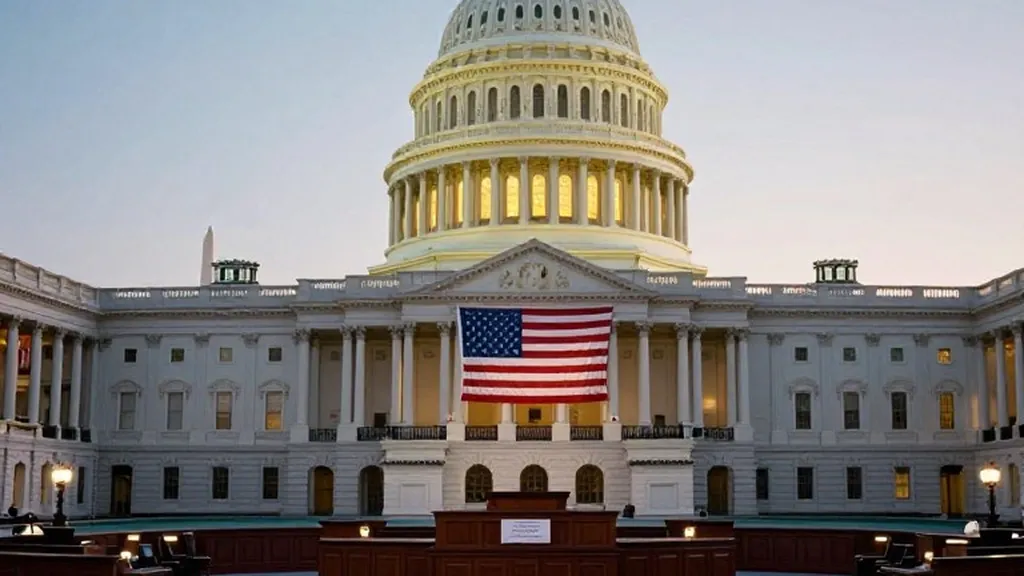
The 2026 midterm election results are in, and Democrats have secured majorities in both chambers of Congress. According to election data, Democrats gained at least 43 seats in the U.S. House of Representatives. Of these, 42 were previously held by Republicans and one was held by an independent. In the U.S. Senate, Democrats captured seven seats, all of which were previously held by Republicans. As of 4 p.m. EST on November 6, the House majority stands at least 250 to 157, while the Senate majority is 54 to 44.
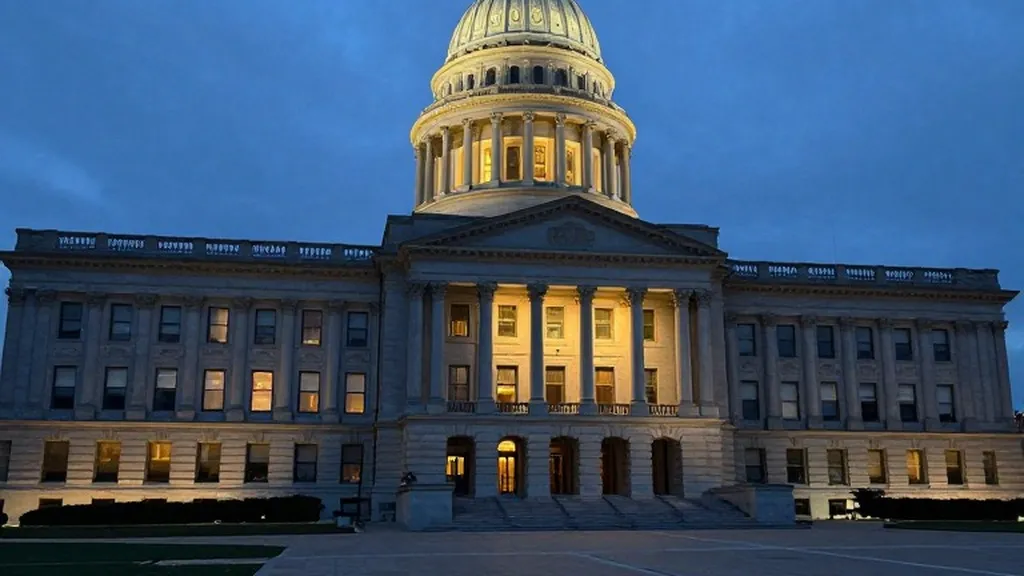
This shift in power represents a significant change for state governments. Democrats won a plurality of state government trifectas and state legislative chambers. More notably, they won a majority of governorships for the first time since before the 2010 elections. In 44 of the 46 states where trifecta status had been decided, the balance of power shifted or remained contested, reflecting a broad national trend toward Democratic control in state houses.
For conservative voters who tracked state lines closely, the loss of Republican Senate seats is particularly notable. The net loss of at least seven U.S. Senate seats places this election year in the top 20% of election years in terms of seat swings against a president’s party. This threshold is often defined as a wave election. While the U.S. House has not yet reached that specific mark, the net loss of 42 seats is substantial. Uncalled races could still change that total, but the current results indicate a strong Democratic performance.
The election results in California highlight the complex dynamics of state leadership. Xavier Becerra won the governor's race, becoming the state's first elected Latino governor. His victory continues a remarkable streak, as California has now elected five consecutive Catholic governors. This trend began with Gray Davis, who took office in 1999. Four of these five governors have been Democrats, including Jerry Brown, who was a seminarian in the 1950s. Becerra's win underscores the enduring influence of Catholicism in California politics.
In the governor's race, Catholic voters played a decisive role. According to The AP Voter Poll, about six in 10 Catholic voters supported Becerra, while about four in 10 voted for his Republican opponent, Steve Hilton. The divide was sharper among Latino Catholics, with about seven in 10 voting for Becerra. White Catholics were split between the two candidates. This pattern reflects the broader reality that American Catholics are a politically mixed bag, with no single unified voting bloc.
The results in other states show a similar pattern of Democratic gains in governorships. The new Congress will see Democrats in control of both chambers starting in January. This change means that legislative countermeasures to the Trump administration's policies will face fewer hurdles in Congress. Democrats in the Senate and House are preparing to use their new majorities to oversee federal agencies and influence spending bills.
In the House, Rep. Bobby Scott of Virginia, the top Democrat on the Education Committee, has already signaled plans to investigate the Trump administration's dismantling of the U.S. Education Department. He stated he plans to leave no rock unturned in his review of federal student loans and anti-discrimination policies. Sen. Elizabeth Warren of Massachusetts also called for accountability regarding the department's restructuring. These moves indicate that the new Democratic leadership intends to use oversight powers immediately.
The Senate will also play a key role in the coming months. Sen. Chris Van Hollen of Maryland, a member of the Appropriations Committee, suggested that Democrats may use the power of the purse to establish guard rails against the administration's education agenda. He noted that while it is harder to rebuild entities through appropriations, it is possible to prevent further damage. This approach aligns with the strategy of using federal funding as leverage, a tool Democrats are expected to wield more frequently in the new Congress.
The election results also have implications for the relationship between the executive and legislative branches. With Democrats controlling both chambers, President Trump has pledged to veto bills he sees as harmful. This dynamic will likely lead to significant negotiations over spending and policy. The new majority in the Senate will be crucial in determining whether legislation can overcome potential vetoes, especially in areas where the House and Senate may have different priorities.
The shift in power is not limited to federal offices. State legislative chambers have also seen significant Democratic gains. This gives Democrats greater control over state budgets and policies, which can impact everything from education to infrastructure. The results suggest that voters across the country prioritized changing the balance of power at the state and federal levels, leading to a comprehensive shift in political control.
As the new Congress convenes, the focus will be on how quickly Democrats can enact their agenda. The results of the 2026 midterm elections provide them with the numbers to push through legislation and oversight measures. The coming months will reveal how effectively they can use their new majorities to address key issues, from the economy to border security, while navigating the challenges of a divided government.