GOP Lawmakers Return to Capitol to Debrief Midterm Loss
Republicans face a split in leadership strategy as they debate internal rules and blame for losing both chambers.
By Elena Perry ·

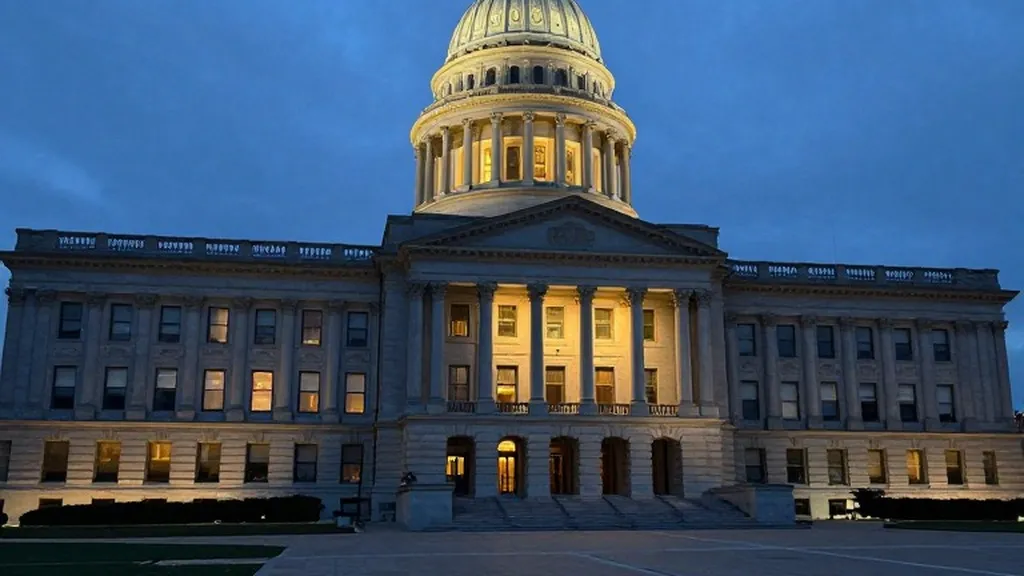
Republicans returned to Washington on Monday to begin a two-year stint as the minority party in both houses of Congress. The group faces a stark reality check after losing control of the House and Senate in last week’s midterm elections. Lawmakers are now focused on determining how to organize their resistance and prepare for the 2028 cycle.
The mood in the Capitol was heavy with frustration. Rep. Richard McCormick, a Republican from Georgia, described the House chamber as filled with angry members who are questioning spending habits and campaign messaging. He noted that many colleagues are pointing fingers at specific policy decisions and fundraising methods that may have alienated voters.
Rep. Troy Nehls of Texas offered a harsher assessment, giving the institution an F on its report card. He stated that the American people have a right to be upset with congressional performance. Other members, including Sen. Josh Hawley of Missouri, argued that the party lost touch with core voter priorities. Hawley suggested that abandoning pro-life positions and working-class issues contributed to the defeat.
The margin of victory for Democrats was substantial. Polling projections indicate Democrats will hold approximately 260 seats in the House next year. In the Senate, Democrats are expected to control 56 seats. These numbers were considered unlikely before the election, and the loss stunned many political analysts and party insiders.
A debate has emerged over the timing of GOP leadership elections. House Ways and Means Committee Chair Jason Smith urged delaying the vote. He wrote on X that the conference must first understand why it lost public trust and address internal rules that allowed members to vote against the Speaker. Smith argued that choosing a new leader without fixing these structural issues would be a disservice to the next officeholder.
Blame is being assigned to various sectors of the party. Some House Republicans point to the Senate, where procedural rules blocked over 500 bills passed by the House. Rep. Nehls cited stalled legislation as a major factor. Others, including Sen. John Cornyn of Texas, pointed to the president’s immigration enforcement actions. Cornyn noted that some voters who supported border security opposed the aggressive tactics of the Immigration and Customs Enforcement agency.
Rep. Jeff Van Drew of New Jersey, who lost his seat, attributed the outcome to a combination of high gas prices and ongoing foreign wars. He said he is already planning to run for office again in 2028. Van Drew emphasized the need for the party to stop internal arguing and deliver a unified message to voters.