Midterm Results Reveal Strain on New Congressional Maps in Seven Key States
Democrats secured majorities in both chambers, but the outcome in contested districts within California, Florida, and other states suggests the new redistricting lines may not fully predict voting behavior.
By Andrew Yang ·
Voters in the United States delivered a decisive shift in power on Tuesday, November 3, 2026, as Democrats won majorities in both the U.S. House and the Senate. The final tallies, reported as of 4 p.m. EST on November 6, indicate that Democrats picked up at least 43 House seats and seven Senate seats. This result places Democrats in control of at least 250 House seats and 54 Senate seats, a significant swing that has left many political observers questioning the efficacy of the new congressional maps in several critical states.
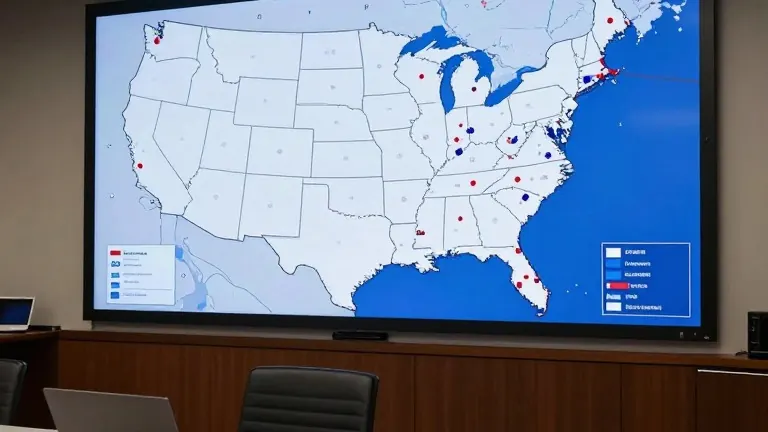
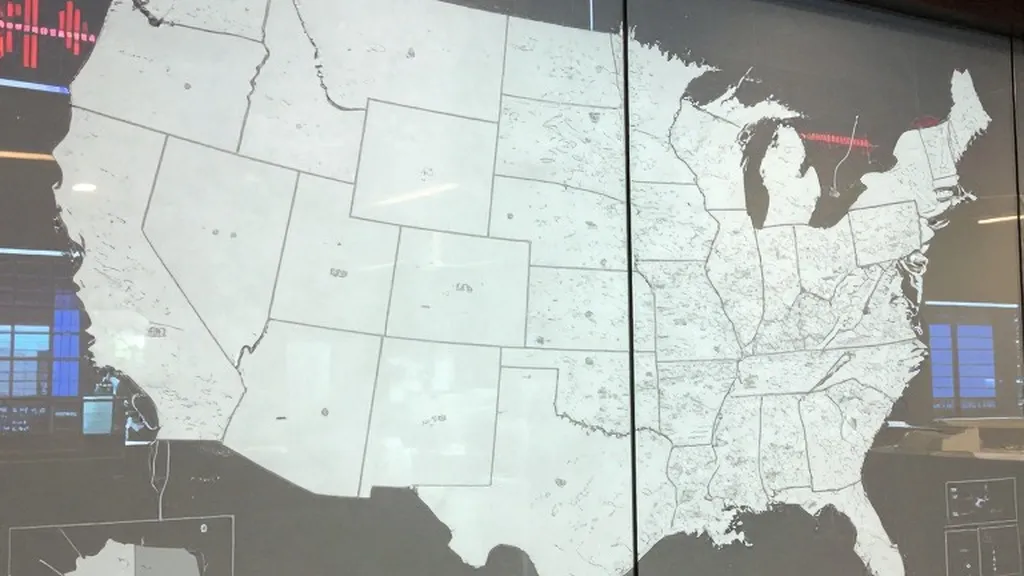
The new congressional maps in California, Florida, Missouri, North Carolina, Tennessee, Texas, and Ohio were designed with specific partisan goals in mind. In many of these states, the lines were drawn to either protect incumbent Republicans or to create competitive districts for Democrats. However, the results suggest that the geographic and demographic realities of these states may not have aligned perfectly with the intent behind the redistricting efforts. The net loss of 42 House seats for Republicans is substantial, though it falls short of the 48 seats needed to qualify as a wave election by standard definitions, according to Ballotpedia data.
In California, the state’s newly drawn districts played a significant role in the outcome. The state elected Xavier Becerra as governor, marking his fifth consecutive term in the role for a Catholic politician. Becerra’s victory, supported heavily by Catholic voters and Latino communities, underscores the complex religious and ethnic dynamics that redistricting maps often fail to capture. The AP Voter Poll indicated that these voter groups were pivotal in his success, suggesting that demographic shifts within the new districts may have favored Democratic candidates more than anticipated by some Republican strategists.
Florida and Texas, both states with significant populations and new congressional lines, saw mixed results that reflect the tension between urban growth and suburban conservatism. The results in these states contribute to the broader narrative that while Republicans maintained some strongholds, the new maps did not guarantee the safety of all Republican incumbents. The shift in power in the House, where Democrats gained control, indicates that the districts in these states were not as protective of the Republican majority as previously modeled.
Missouri and Ohio, traditionally Republican states, also featured new congressional maps that were expected to help maintain Republican majorities. However, the overall national trend saw a significant erosion of Republican seats. In Ohio, the results in the new districts contributed to the state’s loss of key House seats. The data suggests that while some districts remained safely Republican, others swung to Democrats, a pattern that challenges the assumption that redistricting alone can secure long-term partisan control without considering broader economic and social factors.
North Carolina and Tennessee, states with historically competitive politics, saw their new maps tested by the electorate. The results in these states were part of the broader Democratic gain in the House. The new lines in North Carolina, for instance, were designed to create a mix of safe and competitive seats, but the final outcome saw Democrats taking control of several of these districts. This outcome highlights the importance of local issues, such as the economy and border security, which often override the structural advantages provided by redistricting.
The impact of the Iran conflict and its economic repercussions was cited by many Republicans as a factor in their losses. Defense Secretary Pete Hegseth, who is facing potential impeachment, noted that the war had driven up global oil prices and disrupted shipping in the Strait of Hormuz. These economic pressures likely influenced voters in the new congressional districts across the seven states in question. The fact that many Republicans blamed the Iran war for their election wipeout suggests that the new maps, while strategically drawn, could not fully insulate incumbents from the consequences of foreign policy decisions.
In the Senate, Democrats gained seven seats, all previously held by Republicans. This net loss puts the election in the top 20% of election years in terms of seat swings against a president’s party. The results in the seven states with new maps contributed to this shift. For example, in states like Texas and Ohio, the new House maps may have created districts that were slightly more favorable to Democrats than the old lines, a change that became evident in the final vote counts. The data from Ballotpedia confirms that these states were pivotal in the overall shift in power.
The new maps also highlighted the role of third-party and independent voters. One of the 43 House seats gained by Democrats was previously held by an independent, indicating that the new lines in some states may have opened up opportunities for candidates who did not fit neatly into the two-party system. This trend was observed in several of the seven states, where the new district boundaries allowed for more diverse candidate fields. The results suggest that voters in these states were willing to cross party lines when they felt their interests were not being represented by the established parties.
Looking ahead, the new congressional maps will likely be a point of contention in future election cycles. The results of 2026 show that while redistricting can provide a short-term advantage, it is not a guarantee of long-term success. The economic impact of the Iran war, the rise of Catholic and Latino voters in California, and the competitive nature of the new districts in states like Florida and North Carolina all played a role in the final outcome. As Democrats prepare to use their new majorities to push back against Trump administration policies, the lessons from the 2026 maps will be closely studied by both parties.