Trump Lets Press Secretary Go Quietly After Short Tenure
Katie Zacharia served less than a week before departing the White House, a stark contrast to the dramatic dismissals of previous aides.
By Riya Zhao ·
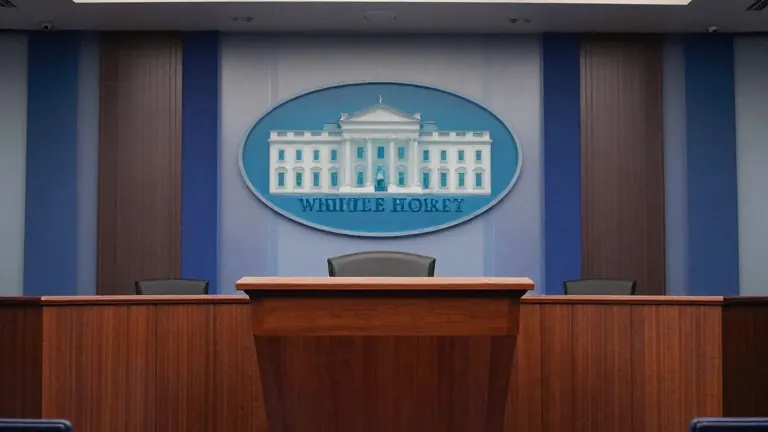
President Donald Trump ended the tenure of White House Press Secretary Katie Zacharia on Oct. 16, less than one week after she assumed the post. The departure marks a break from the president’s usual pattern of public, confrontational firings for senior staff members. Instead of a dramatic exit, Trump allowed Zacharia to leave quietly following a difficult initial press briefing.
Zacharia’s brief time in office was defined by her first media appearance. She faced criticism for giving awkward answers and claiming to be a practicing attorney despite not having passed the bar exam. Her performance drew scrutiny regarding her public speaking skills and ability to handle press inquiries, two core responsibilities of the role.
The president’s approach to Zacharia differed from his treatment of other aides. In past instances, such as the removals of Robert Mueller and Michael Flynn during his first term, Trump used public jabs to characterize his departures. For Zacharia, he used a softer tone. He asked her, “Is this for you Katie? Honestly, you don’t need this,” before releasing her from her duties.
This leniency appears linked to the president’s valuation of loyalty. Trump has a history of overlooking mistakes for those who show strong devotion to the MAGA movement. Zacharia embodied this loyalty, which may have shielded her from the harsher treatment typically reserved for those who fail to please the president.
Other administration figures illustrate this dynamic. Joe Kent resigned as head of the National Counterterrorism Center after seven months. His departure followed a period where he promoted specific narratives, including claims about foreign involvement in the death of Charlie Kirk and an Israeli influence on Iran policy. His hawkish stance and submissive nature toward the White House were cited as reasons for his selection rather than his operational ability.
Vice President JD Vance also operates within this framework. In 2016, Vance sent a text message to a former roommate calling Trump “America’s Hitler.” He has maintained his position by taking public criticism for the president. This strategy of absorbing political pressure helps shield the commander in chief from direct backlash.
Zacharia’s exit suggests that surviving the administration requires more than just skill. It demands the ability to endure internal controversies and remain submissive to the president’s commands. Those who fold under the pressure of their own mistakes risk quick removal, regardless of their loyalty.