Democrats Take Control of Congress and Majority of Governorships
Democrats secured control of both chambers of Congress and a majority of governorships, marking the first time since 2010 that the party holds a plurality of state trifectas.
By Elena Perry ·
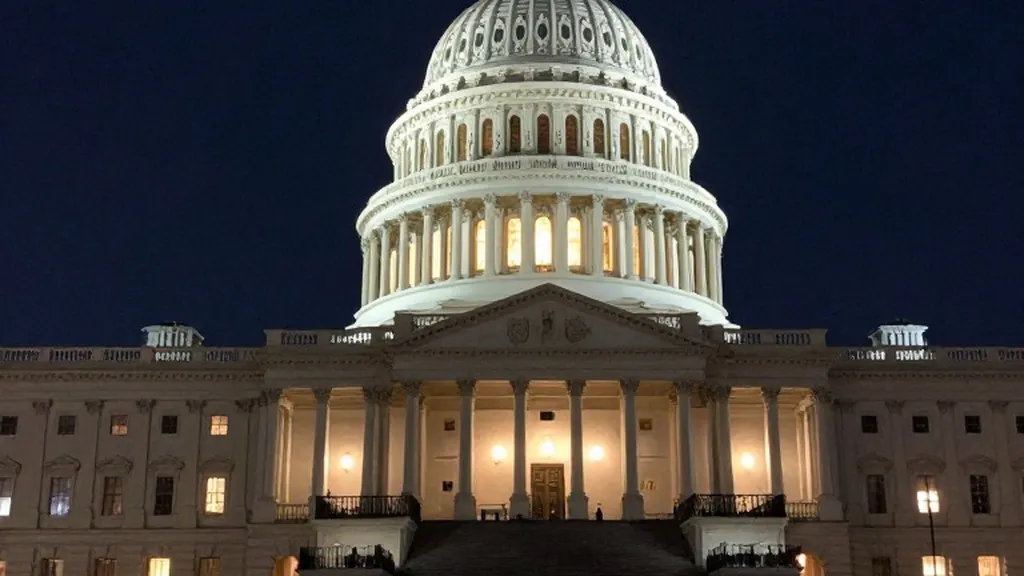
Midterm voters in the United States delivered a decisive shift in power on Tuesday, with Democrats winning majorities in both the U.S. House of Representatives and the U.S. Senate. The results, compiled by Ballotpedia and updated through 4:00 PM ET on November 6, indicate that Democrats picked up at least 43 House seats and seven Senate seats, all of which were previously held by Republicans. This outcome grants Democrats at least a 250 to 157 majority in the House and a 54 to 44 majority in the Senate, effectively reversing the chamber controls held by the President's party for the previous two years.
The loss of at least seven Senate seats by Republicans places this election in the top 20 percent of historical midterm cycles in terms of seat swings against the party of the sitting president. This threshold is widely defined by political analysts as a wave election, signaling strong voter dissatisfaction with the current administration's direction. While the House results have not yet reached the specific numerical threshold for a wave election, the net loss of 42 seats represents a significant contraction of the Republican majority that was established in the previous cycle.
Beyond the federal chambers, the election marked a pivotal moment for state-level control. Democrats won a majority of governorships for the first time since before the 2010 elections. Additionally, the party secured a plurality of state government trifectas, meaning they now control the governor's office and both chambers of the state legislature in more states than any other party. As of the reporting deadline, the status of these trifectas had been decided in 44 of the 46 states, confirming the breadth of the Democratic gains across the nation.
This shift in legislative control will immediately impact the oversight powers available to the new majority. With control of both the House and Senate, Democrats are positioned to initiate investigations into the actions of the Trump administration, including the dismantling of the U.S. Department of Education and the conduct of military operations in the Middle East. The new majority also holds the power of the purse, allowing them to attach conditions to federal spending bills that may limit the executive branch's ability to implement policies without congressional approval.
The election results also reflect a broader trend in state executive races, where Democrats were able to unseat Republican incumbents and win open seats in key jurisdictions. This geographic spread of victories suggests that the Democratic coalition was effective in mobilizing voters in both urban and suburban districts, as well as in certain rural areas. The consolidation of power in the governor's mansions will give the party more leverage in areas such as education, healthcare, and infrastructure, where state governments often play a leading role in policy implementation.
President Donald Trump, who is currently serving his second term, will face a Congress that is likely to be more critical of his administration's agenda. The new Democratic majority in the Senate will be crucial for confirming or rejecting judicial nominees and for passing legislation that requires a 60-vote threshold. In the House, the increased Democratic margin provides greater flexibility for the party leadership to pass bills that reflect the priorities of their base, including potential reforms to the federal budget and oversight of federal agencies.
The results also highlight the importance of state legislative races in the post-election landscape. With control of more state legislatures, Democrats can enact laws that align with their platform, such as changes to voting procedures, education standards, and environmental regulations. This state-level authority will be particularly significant in states where the federal government's role is limited, allowing Democratic governors and legislators to test new policy approaches that may serve as models for future national legislation.
Voters' decisions in this election were influenced by a variety of factors, including the economy, border security, and the direction of the nation's foreign policy. The fact that Democrats were able to win a majority of governorships suggests that voters were willing to reward the party for its performance in the previous two years, despite the challenges faced by the administration. This outcome sets the stage for a new period of legislative activity, with both parties preparing for the negotiations and debates that will define the next two years in Washington.
The election results also have implications for the balance of power within the Democratic Party itself. The party's ability to win seats in a wide variety of districts, from deep blue cities to competitive suburban areas, indicates a broadened coalition that may influence the party's internal dynamics and future candidate selections. The success of Democrats in states with large Catholic populations, such as California, also suggests that the party's message resonated with a diverse group of voters who are often seen as politically mixed.
As the new Congress convenes in January, the focus will shift to the practical implications of the election results. The Democratic majority will need to establish its legislative agenda and work with President Trump to pass essential funding bills. The outcome of this election provides a clear mandate for the new majority, but it also presents challenges in terms of governing with a divided executive branch. The coming months will test the ability of the new Congress to deliver on the promises made to voters during the campaign.