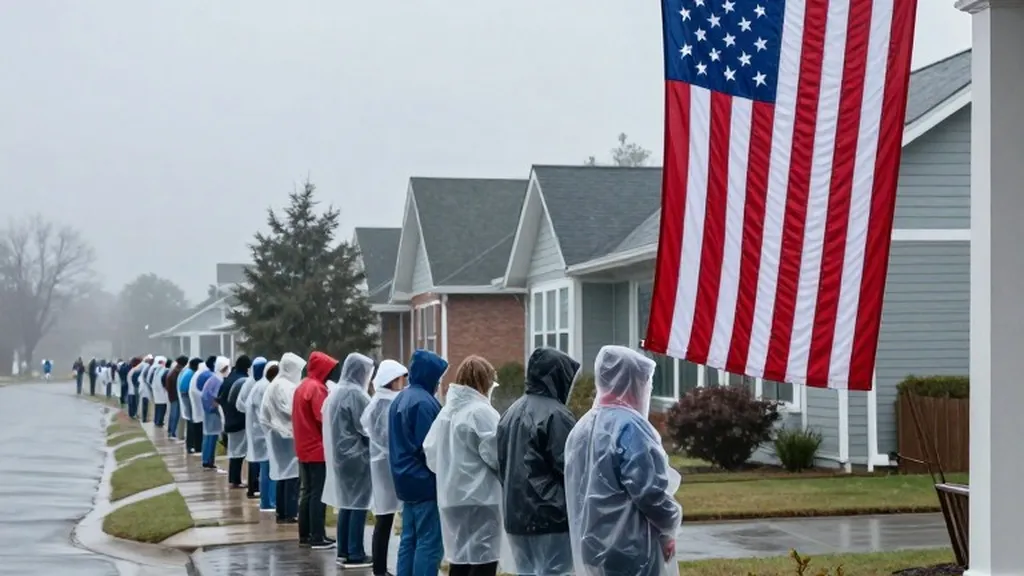
Turnout war: 57 million early votes set stage for tight midterms
With polls open, party leaders bet on voter mobilization as they fight to keep or seize control of Congress.
By Riya Zhao ·
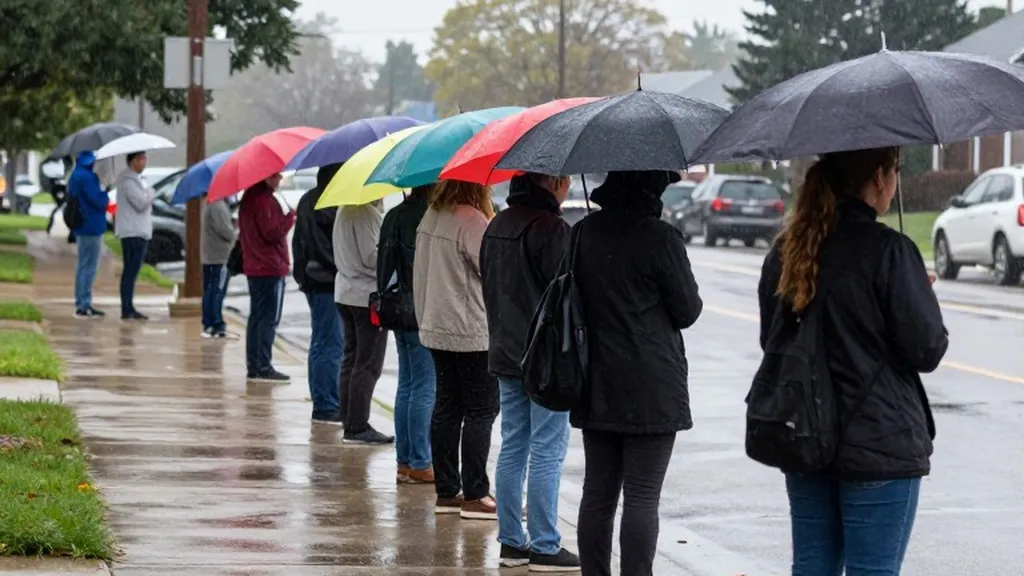
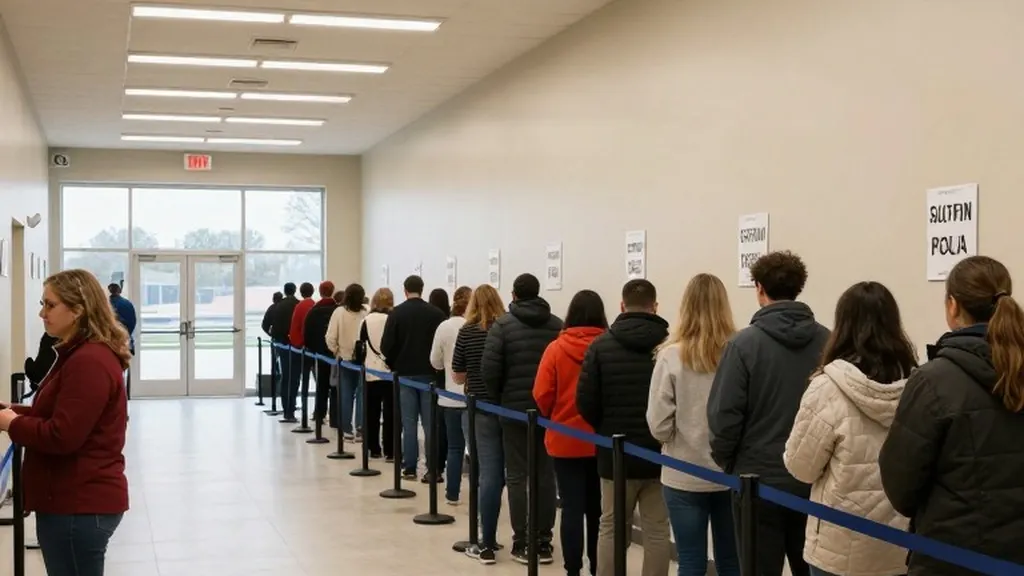
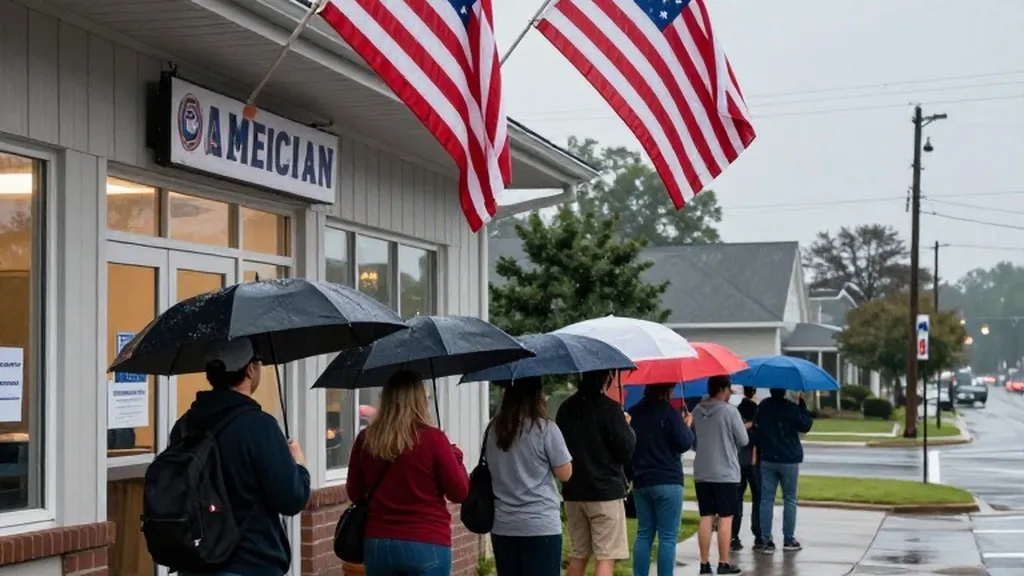
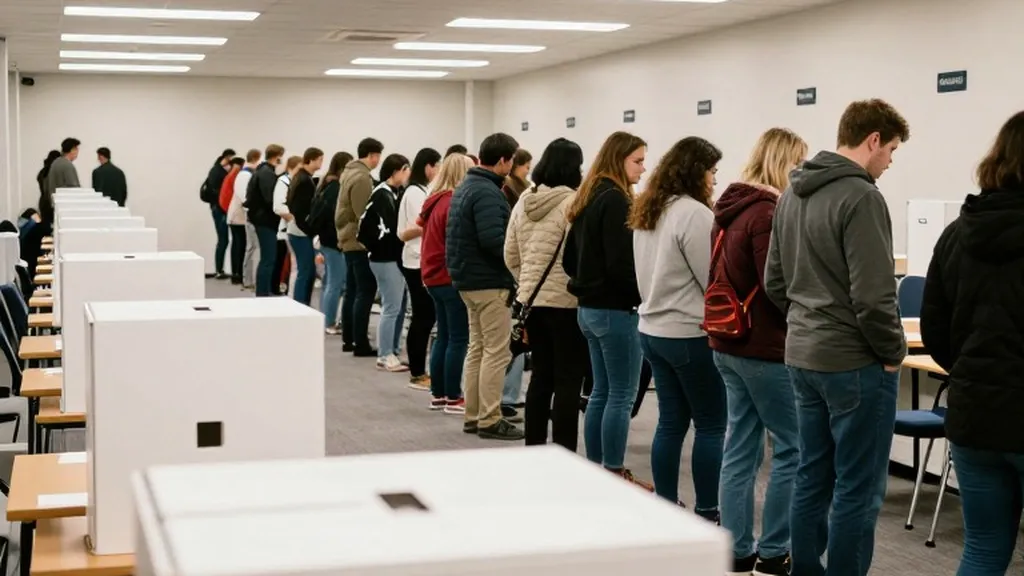
More than 57 million Americans have already cast their ballots, a figure that surpasses the early vote from four years ago in many closely watched states. This massive surge in participation is the defining feature of Tuesday’s midterm election, shaping the strategies of both major parties. The Associated Press notes that the election is being viewed as a referendum on President Donald Trump’s second term, with many voters focused on economic conditions.
The sheer volume of early voting suggests a highly engaged electorate. This level of participation is critical because it reduces the uncertainty of Election Day turnout. For Republican leaders, the high number of early votes is a sign that their base is mobilizing. They are bracing for the possibility of losing the House while fighting to hold the Senate, believing that one or two seats could tip either chamber.
Joe Gruters, the chairman of the Republican National Committee, has placed his party’s hopes squarely on mobilization. He stated that everything depends on turnout, asserting that if they turn out their voters, they win. This quote highlights the core of the Republican ground game, which has focused on getting their supporters to the polls before the final day. The party has spent significant resources on outreach and transportation to ensure this high early vote continues to translate into final results.
On the other side, Democratic leaders are also focused on the numbers but with a different framing. Rep. Suzan DelBene, the chair of the Democratic Congressional Campaign Committee, emphasized the anger of the American people. She stated that the American people are angry and want change. This sentiment aligns with recent polling that shows high approval ratings for the opposition and concerns about the direction of the country.
The Associated Press reported that about 7 in 10 U.S. adults say the country is heading in the wrong direction. This mood is driving the Democratic ground game, which has emphasized economic issues such as high prices and the cost of living. Democrats are cautiously optimistic, believing that this dissatisfaction will drive them to the polls in sufficient numbers to gain a net three districts in the House.
The financial aspect of the election is also influencing turnout strategies. The 2026 elections are likely to be the most expensive in history. Republican committees have outraised and outspent their Democratic counterparts, aided by Trump-affiliated groups. However, at the candidate level, Democrats have outraised their opponents. This spending has been used heavily to encourage voter participation and to remind voters of the stakes in their specific districts.
In Salina, Kansas, President Trump held a rally on Sunday, urging his supporters to pretend he is on the ballot. This campaign of personal endorsement has been a key part of the Republican effort to drive turnout. Many Republican candidates have kept their distance from the president in some areas, but his rallies have served as a mobilization tool for the party’s base.
The ground game has also involved dealing with administrative challenges. A federal judge temporarily barred the administration from carrying out a plan to prevent noncitizen voting, which critics said could risk disenfranchising eligible voters. The U.S. Postal Service added hours and staff to ensure mail ballots are counted on time. These logistical efforts are crucial for maintaining the high turnout levels already recorded.
Voters like James Moore, a librarian in Raleigh, North Carolina, cited economic pressures as a reason for voting. He noted that he is paying more for taxes, healthcare, and everything else. This personal financial struggle is a common theme in the Democratic campaign, which seeks to link the election to the daily lives of working families.
Conversely, voter Mark Barker of Palm Beach Gardens, Florida, expressed support for the president, saying he has been following Trump and thinks he is doing an awesome job. These individual stories illustrate the divide in the electorate, with some voters driven by economic anxiety and others by loyalty to the executive. Both sides are betting that their specific segment of the population will show up in large numbers today.
The election will determine who controls Congress for the president’s final two years. Republicans can lose no more than two House seats to keep their majority, while Democrats need a net gain of three. In the Senate, Democrats need a net gain of four seats. The high early vote count means that the final outcome will depend on how these mobilized voters are distributed across the 46 battleground districts and 13 competitive Senate races.