Debut Feature 'Kefi' Uses Surreal Elements to Process Personal Grief in Tokyo
Cinematographer Saito Kisin’s film mixes distinct short stories and visual styles to explore the numbness and complexity of losing a distant father.
By Riya Zhao ·
Saito Kisin’s debut feature, Kefi, opens with the sudden death of a father who had been absent from his family’s life for a decade. The film uses this event as a springboard to examine how three sisters process a loss that does not trigger traditional grief. It plays in the Nippon Cinema Now section of the Tokyo International Film Festival.
The film is structured as four connected short stories, each with a specific theme: ethics, hypocrisy, discrimination, and life and death. Kisin, who is the youngest of three brothers in real life, modeled the characters on his own family dynamics. The narrative follows three sisters, Kyo, Asumi, and Kino, who learn of their father’s passing shortly after hearing his voice in a narration.
Kisin explained that his own reaction to his father’s death in 2024 was not sadness but a sense of detachment. He had not seen his father in approximately ten years following their parents’ divorce. This personal experience informed the film’s central argument: that numbness and odd humor are valid responses to losing a loved one.
“I’m an optimistic person; my father was a very funny guy. That also added to the fact that there wasn’t much grief in his loss,” Kisin said. He noted that he realized not everyone experiences grief in the same way and wanted to depict that specific perspective through the sisters’ separate lives.
The sisters spend most of the runtime apart, reflecting the reality that family members often lead separate existences. Kisin stated, “Just because you’re family, you’re not always together.. Your siblings lead their separate lives, but at the very end, siblings or families think about the same things or have the same mindset.” An episode near the end of the film brings the characters back together.
Visually, the film alternates between vivid color and monochrome, as well as chaotic handheld shots and steady camerawork. Kisin said he switched styles to test different approaches and keep the audience attentive. “It’s only because I wanted to test and try different approaches. That’s why it ended up as it is,” he said.
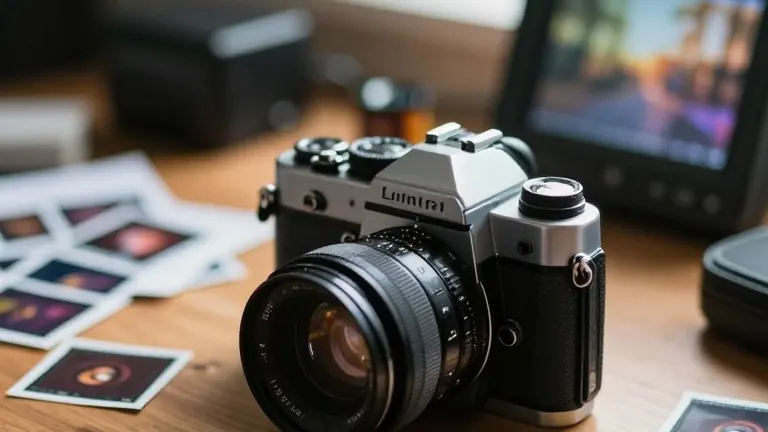
Kisin serves as director, writer, cinematographer, gaffer, and editor for the project. He credited a single-lens reflex camera, iMovie, and friends acting as actors for the production’s intimate feel. He preferred working with a small, trusted team to avoid the noise that can occur on larger production sets.
The director aims to show that modern Japanese cinema extends beyond classic figures like Ozu or Kurosawa. He wants to present a more unique and funny side of Japanese culture to international audiences, moving past the typical expectations of anime or mainstream appeal.
More Business · Scam Watch · Report a business · Got a Story?