Displaced Wolves Return to Finnish Villages After Google’s Forest Clearing
Local residents report increased wolf activity in their homes following the unauthorized clearing of thousands of acres of forest for new AI infrastructure.
By Aiko Yamamoto ·
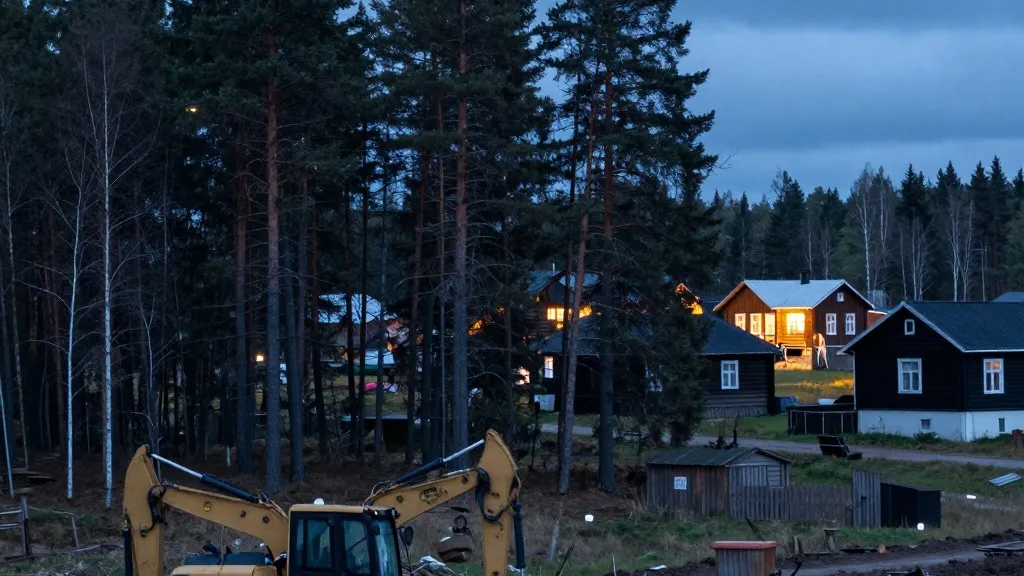
The rapid expansion of artificial intelligence infrastructure has created unexpected ecological ripples in Northern Europe. This week, reports emerged that wolf packs, displaced by large-scale land clearing in Finland, are increasingly venturing into nearby residential areas, prompting safety concerns among locals.
The situation stems from construction activities near the Finnish villages of Muhos and Otanmäki. Google, the American technology giant, has been developing data centers in these regions to support its growing AI operations. According to recent reports, the company cleared approximately 1,300 acres of forest in the process. Of this total, 816 acres have been transformed into muddy expanses, while work on another 500 acres has been paused due to regulatory intervention. The land, once a stable habitat for local wildlife, has become a barren landscape of mud and construction debris.
The displacement of animals from their natural environment has led to direct interactions with human settlements. Anni Ranta, a 53-year-old resident of Otanmäki whose family has lived in the area for generations, explained that wolves have been entering the village because the wild animals have been forced out of the forest. Ranta expressed concern that the presence of these predators in close proximity to homes poses a serious safety risk for residents and their children.
This development highlights a broader pattern of tension between tech developers and local communities. The Finnish Licensing and Supervision Authority, known as LVV, has issued orders for Google to cease work in the affected areas. The regulator determined that the company had not adhered to environmental regulations while rushing to build its facilities. A representative from the Finnish Association for Nature Conservation stated that Google’s handling of environmental policies in this instance has been unprecedented in its clarity and scope.
Local residents have voiced additional grievances beyond the wildlife issue. Families living near the construction sites have reported disturbances from constant factory and construction noise. There are also complaints about local streams turning brown due to runoff and rare bird species being pushed out of their traditional territories. These issues mirror concerns raised in other parts of the world where large-scale data centers have been built, suggesting a common challenge for the industry as it expands its physical footprint.
In response to the regulatory halt, a Google spokesperson maintained a positive tone. The company stated that it would fully comply with the requests made by the LVV. The spokesperson added that Google looks forward to maintaining an open dialogue with all authorities to strengthen its partnership with Finland and local organizations. The company appears to be banking on the long-term business benefits of the data centers to sway both the government and regulators in its favor.
The dispute has been ongoing for several months. Earlier this month, the Finnish government formally notified Google to stop construction activities in Muhos and the Kajaani area, which is near Otanmäki. Despite the pause in work, the physical damage to the forest remains, leaving the displaced wildlife with fewer options for shelter and hunting grounds.
The incident raises questions about the environmental cost of AI expansion. As technology companies race to build the hardware required for large language models and other AI applications, the impact on local ecosystems is becoming a focal point of public debate. In this case, the immediate consequence is a shift in the local wildlife population, with wolves now navigating the edges of human communities they previously avoided.
What happens next remains to be seen. Google must decide how to proceed with its Finnish projects while addressing the regulatory stop-work orders. Local authorities are likely to monitor the wildlife activity closely, potentially implementing measures to protect residents without harming the animals. The outcome of this situation may set a precedent for how tech giants manage their environmental responsibilities in other parts of the world.
For now, the residents of Otanmäki and neighboring villages are left to adjust to a changed landscape. The forest that once provided a buffer between their homes and the wild has been replaced by construction sites and mud. As the debate over AI infrastructure continues, the story of the wandering wolves serves as a tangible reminder of the real-world impacts of digital progress.
Source: Tom's Hardware