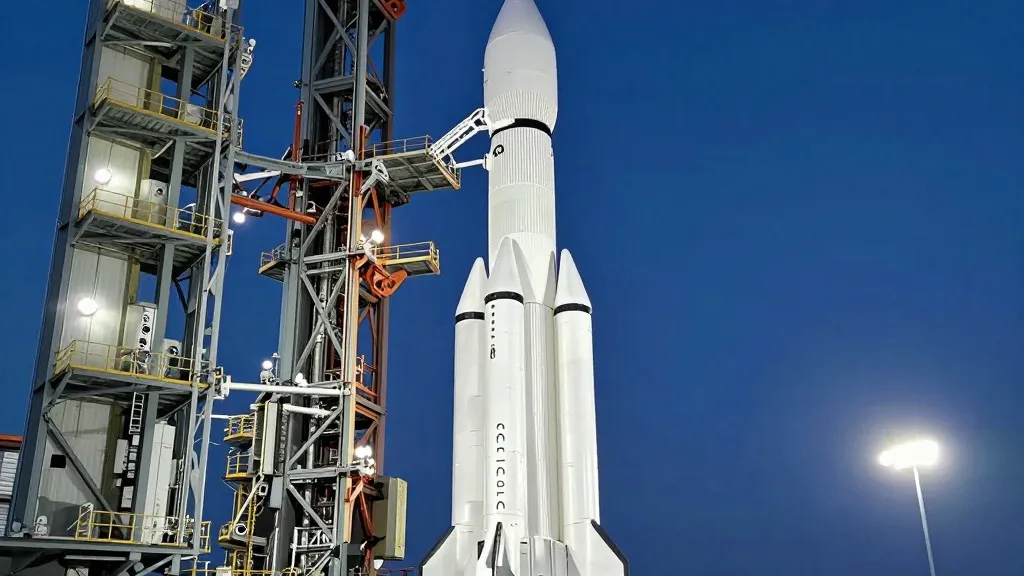
Orion Docking Shift: NASA Revises Moon Lander Architecture for 2028 Touchdown
NASA outlined updated mission plans and new docking procedures for upcoming lunar expeditions.
By Valentina Cruz ·
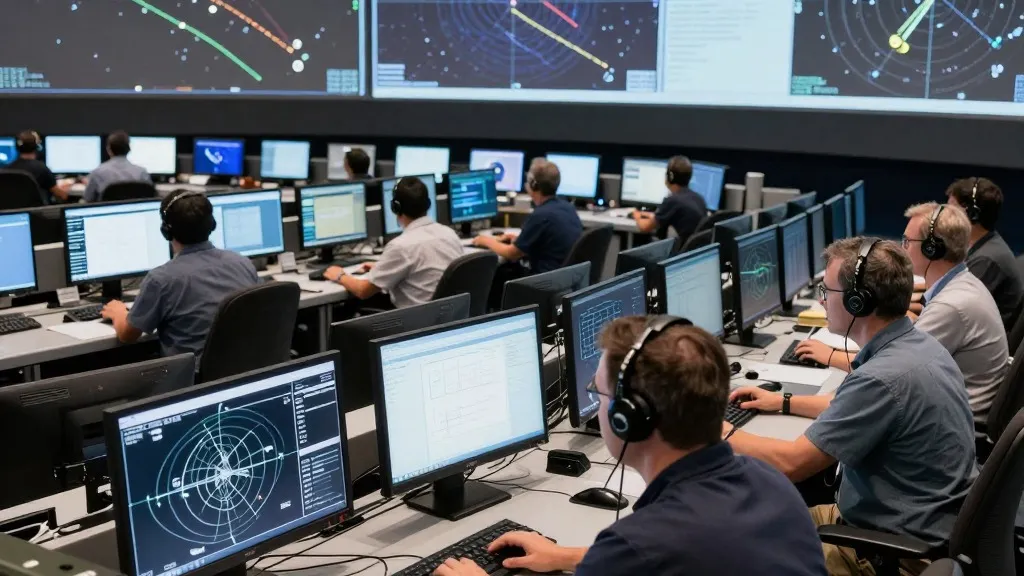
NASA Administrator Jared Isaacman announced Friday that the agency is targeting a 2028 launch for Artemis IV, a mission designed to place astronauts on the lunar surface. During the briefing, the space agency provided a comprehensive breakdown of its return-to-Moon strategy, confirming schedule targets for the next two major flights. Artemis III remains scheduled for summer 2027, intended as a demonstration involving docking procedures near Earth.
The proposed flight path for 2028 requires the Orion spacecraft to dock with SpaceX's Starship lunar lander while in high-Earth orbit. This maneuver occurs before the combined vehicles transit to the Moon. For Blue Origin, the mission profile has shifted significantly. The architecture now specifies four separate launches of the New Glenn rocket and eliminates the need for spacecraft-to-spacecraft refueling. The plan also permits the Blue Moon lander to rendezvous with Orion while orbiting close to the lunar surface.
NASA Administrator Jared Isaacman stated that the agency possesses the necessary mandate, resources, and stakeholder support to execute these plans. Isaacman added, "This is an achievable path we are on right now." The agency is proceeding with efforts to modify mission elements to assist lander companies in meeting their schedules.
The modification to SpaceX's mission profile addresses a longstanding requirement involving near-Earth orbital operations. Earlier in 2026, SpaceX engineers requested the removal of requirements to dock with Orion in a near-rectilinear halo orbit around the Moon. That specific orbital position had previously demanded significant energy and presented other complications. NASA canceled the Lunar Gateway earlier this year, removing that obstacle for SpaceX.
The revised operational timeline remains contingent on the successful completion of Artemis III, which is set to take place during the summer of 2027. This flight will demonstrate docking capabilities with both the Blue Moon and Starship vehicles in the vicinity of Earth. NASA is tracking toward that schedule as it prepares for the subsequent flight to the lunar surface.
Attention now shifts to the execution of these scheduled missions. Officials continue to track toward the 2028 window for Artemis IV, while the agency moves forward with the architectural updates required to support the landing objectives. The agency plans to continue providing updates regarding the readiness of the lander components and the launch schedule for the coming summer.
Source: Ars Technica