SpaceX declines military contracts as Spanish rocket nears final integration
The private space firm turned down three U.S. Space Force offers, while PLD Space confirms its Miura 5 is ready for final testing before a 2027 debut.
By Xiaoyu Wang ·
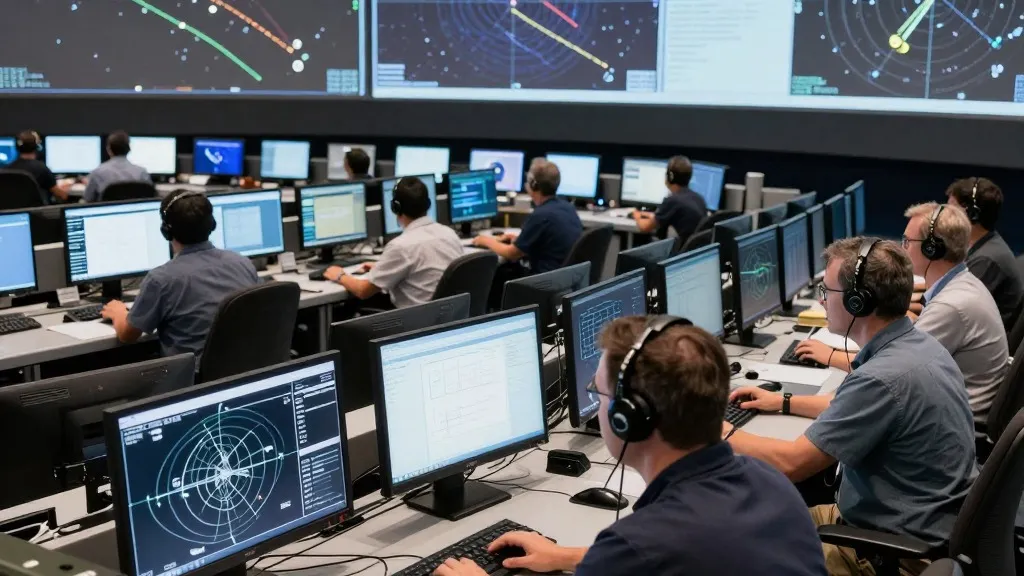
Major shifts in commercial space strategy are unfolding this week, with SpaceX making two significant announcements that could reshape the industry’s future. The company has formally declined three proposed military launch contracts from the U.S. Space Force, a move that signals a strategic pivot in its relationship with federal defense clients. Simultaneously, a NASA safety panel indicated that SpaceX’s Starship vehicle may require as many as 22 in-orbit refuelings to support a lunar landing, a detail that has major implications for mission planning and cost.
The decision to turn down the military work was announced on Thursday, marking a notable departure from recent trends where private firms have aggressively pursued government contracts. By saying no to these specific opportunities, SpaceX is signaling a preference for focusing on its current pipeline, though the specific reasons for the rejection were not detailed in the initial reports. This development adds a layer of complexity to the U.S. military’s launch procurement strategy, which relies heavily on commercial providers for rapid access to space.
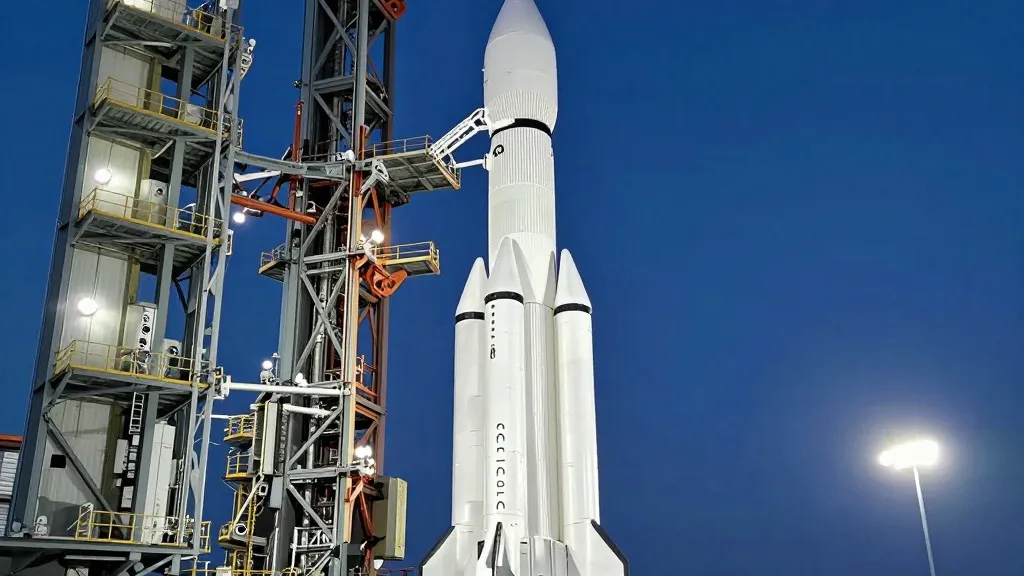
On the international front, Spain’s PLD Space is moving closer to its first orbital launch with the Miura 5 rocket. The company states that the vehicle is nearing final integration, with a target for its inaugural flight set before mid-2027. This small-lift rocket is the first of three units already manufactured by the company, with the other two designed to qualify key system elements. PLD Space CEO Raúl Torres noted that the manufacturing process for these three vehicles has allowed their teams to work continuously across different production stages, directly applying lessons learned from each qualification campaign to the final launch vehicle.
Current testing efforts are focused on the second stage of the Miura 5, which is now fully integrated. This component is undergoing system-level testing at PLD’s Teruel test facility in Spain. The qualification campaign includes a wet dress rehearsal and a static hot-fire test, both of which are critical steps to ensure the rocket can withstand the stresses of launch. Torres emphasized that working on multiple vehicles simultaneously has streamlined their development process, ensuring that the launch vehicle is as robust as possible before its first trip to space.
Meanwhile, in Canada, startup Reaction Dynamics is seeking to raise $350 million to expand its workforce from 68 to more than 350 employees. The company is developing the small-lift Aurora rocket, which it hopes will reach orbit by 2028. In addition to this near-term goal, Reaction Dynamics has announced plans to build a medium-lift rocket called Borealis, with a debut targeted for 2031. The funding round is a significant step in the company’s growth, aiming to accelerate development and secure its position in the competitive small-lift market.
These developments highlight the diverse and accelerating pace of the global space industry. From SpaceX’s strategic choices in the U.S. to PLD Space’s technical milestones in Spain and Reaction Dynamics’ expansion in Canada, the sector is seeing simultaneous advances in technology, funding, and operational planning. For observers in New England, these changes underscore the increasing importance of international partnerships and private sector innovation in shaping the future of space exploration.
Source: Ars Technica