DOJ seeks to drop suit over 20,000 California ballots
The Justice Department filed a motion to dismiss its own case arguing that the state can no longer separate the challenged votes from lawful ones.
By Riya Zhao ·
The U.S. Department of Justice filed a motion on Friday to voluntarily dismiss its lawsuit against California. The suit sought to stop the state from counting approximately 20,000 ballots cast by individuals the federal government alleged to be noncitizens. The department requested that the case be dropped because it believes the specific relief it sought is no longer feasible.
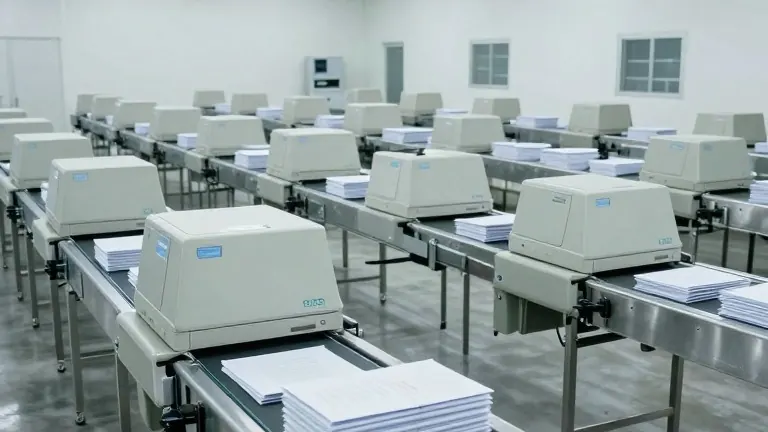
The motion argues that California will have already mixed the challenged ballots with valid votes by the time of the next scheduled hearing. State election officials reported that California processed roughly 9 million ballots as of early Friday. Nearly 5 million ballots remained to be counted at that time. Once a ballot is processed by state machines, it is anonymized, making it impossible to identify or remove specific votes later.
The Justice Department filed the original suit in mid-October. This was after ballots had been mailed to all 23 million registered voters in the state. At that point, hundreds of thousands of ballots had already been received and processed. Bill Essayli, the top federal prosecutor in Los Angeles, stated in court that the goal was to safeguard election integrity before the votes were cast. He noted that the administration wanted to stop illegal voting rather than chase it after the fact.
The request to dismiss comes days after Republicans suffered losses in the midterm elections. It also arrives about a week before a hearing where a special master was set to evaluate the accuracy of the noncitizen list. U.S. District Judge David O. Carter, who appointed the special master in late October, previously denied the federal government's urgent request to separate the ballots. In his order, Carter warned that dividing ballots at that late stage would risk disenfranchising citizens and create chaos for the midterm elections.
The Supreme Court rejected the Justice Department's appeal on Monday, the day before Election Day. The high court issued a one-line, unsigned order denying the request to require California to set aside the mail ballots from the roughly 20,000 people on the list. The special master was also tasked with determining whether California election officials possessed a mechanism to separate the ballots if necessary.
The department remains involved in other litigation regarding voting rights and immigration status. It is appealing a ruling in Alaska that blocked a Democrat’s Senate victory. The administration has not yet filed a full brief in that Ninth Circuit Court of Appeals case. In California, state prosecutors have arrested more than 30 noncitizens accused of illegally registering to vote. Some were also charged with voting in previous elections.
Elections clerks across the state received subpoenas in the week before the election to testify before grand juries scheduled for November. The Department of Justice did not respond to a request for comment on Friday evening. The U.S. Attorney’s Office for the Central District of California referred questions to the department in Washington, D.C.
The federal government had previously claimed the list of suspected noncitizens was current. California officials countered that the list was outdated and included legitimate voters. Judge Carter echoed this view in his ruling, noting the practical difficulties of separating votes after processing had begun.