Judge tightens timeline for Trump arch
Federal rulings impose strict notification windows on agencies to prevent construction before final approvals are complete.
By Andrew Yang ·
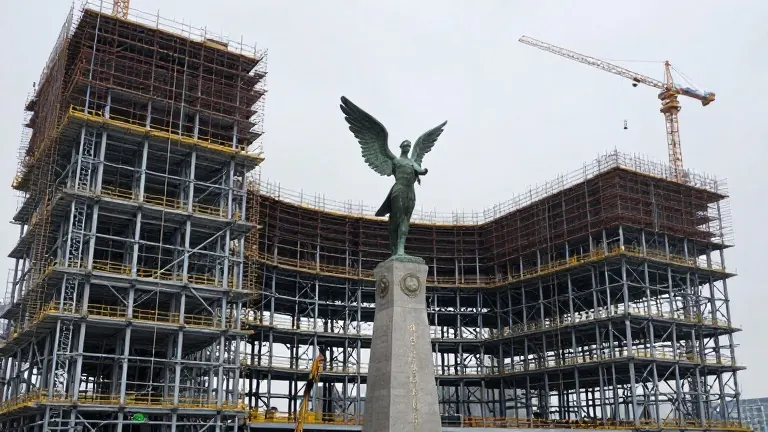
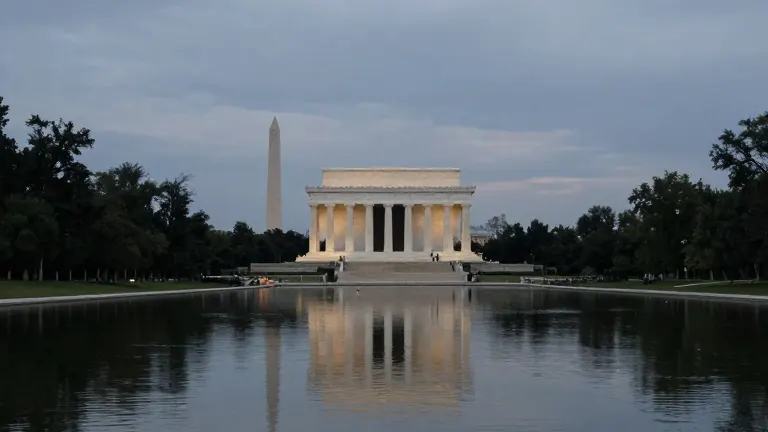
U.S. District Judge Tanya Chutkan issued an order on Monday that imposes strict time limits on federal agencies involved in the construction of a new memorial arch in Washington, D.C. The directive requires the National Capital Planning Commission, the National Park Service, and the Department of the Interior to notify the court within one hour of any decision regarding the project. This move complicates the administration's goal of beginning work immediately after the planning commission votes on November 5.
The government notified the court on October 28 that it planned to seek approval for construction by November 5. Their submission stated that work could commence as early as that date once the planning commission finished its review, the Interior Department issued a final authorization, and proper notice was published. Chutkan’s new order adds a layer of procedural scrutiny to this rapid timeline. She specified that defendants must also provide notice within thirty minutes of any activity related to preparing the construction site at Memorial Circle.
The judge warned that any construction or demolition before the National Park Service issues final agency action, or without fourteen days' notice, would violate previous court orders. This comes after the judge consolidated two separate lawsuits. One suit was filed by three Vietnam veterans and an architectural historian, while the other was brought by the District of Columbia and Virginia seeking a temporary restraining order. Chutkan indicated her decision on a preliminary injunction will likely follow the planning commission meeting.
The project involves a structure described in a 106-page plan submitted by the government on Friday. The design calls for a building more than twelve stories high featuring a large bronze statue of Lady Liberty with wings and a torch containing an eternal flame. The interior includes observation decks, offices, a staff lounge, circular staircases, multiple elevators, and a fire command center. The plan also proposes rerouting nearby traffic to accommodate the new site.
During a hearing on October 30, Chutkan questioned the urgency of the build. She asked how the government would be harmed by a preliminary injunction aside from the executive's desire to "bedazzle the city." Administration lawyer Robert Stander responded that the arch is an "absolutely a high priority project" and that a court intervention would impede government operations. The arch is part of a series of urban changes initiated by President Trump, which include renovating a public golf course and proposing changes to the John F. Kennedy Center.
Charles A. Birnbaum, the founding president and CEO of the Cultural Landscape Foundation, commented on the judicial intervention. He stated that the order signals the administration is learning it cannot ignore the judiciary in the same way it has ignored the public.