Lamont targets vacant structures for new homes
Following a Democratic sweep in Tuesday's elections, the governor and key officials prioritize converting existing commercial buildings into residential units.
By Andrew Yang ·
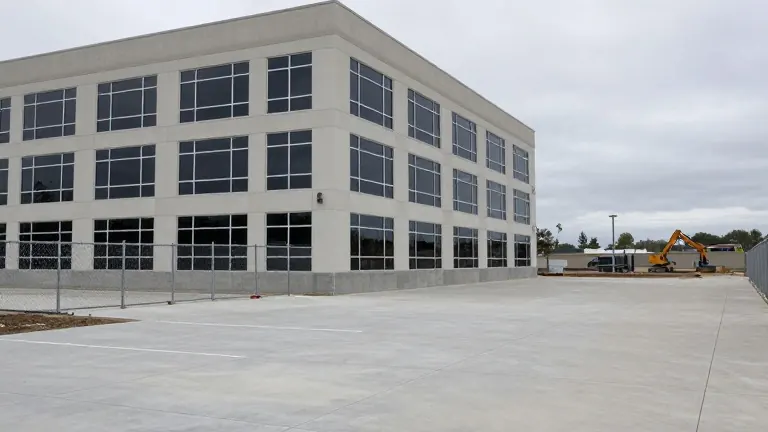
Connecticut Governor Ned Lamont plans to focus on converting existing commercial buildings into housing units following his election to a third consecutive term on Tuesday. The administration intends to utilize the omnibus housing bill passed by the state legislature during a special session last year to guide these conversions. Lamont stated that the legislation facilitates the repurposing of structures such as office buildings, old mills, and shopping centers that already possess necessary infrastructure like sewer, water, and parking systems.
The Democratic Party secured victories across various levels of government in the election. Lamont became only the second governor in Connecticut history to be elected to three consecutive terms. The housing crisis was a primary concern for voters and candidates throughout the election cycle. Several officials, including newly elected and re-elected lawmakers, addressed housing affordability in their acceptance speeches.
Construction costs have risen over the past year due to increases in the prices of timber and steel, as well as higher interest rates. Lamont acknowledged these economic factors but argued they do not justify slowing housing efforts. He noted that demand for housing in Connecticut remains strong. "The price of timber has gone up, the price of steel has have gone up, the interest rates are going up. But I do believe you make hay while the sun shines," Lamont said. "Right now, demand for housing is strong. People want to be in Connecticut."
Lamont expressed a preference for converting existing buildings over constructing new high-rise structures, particularly in densely populated areas like Fairfield County. His administration aims to add more housing statewide by finding new uses for vacant spaces. He cited the omnibus housing bill as a tool to turn commercial properties into residential units, reporting some success in this effort so far.
During his campaign, Lamont highlighted his work to reduce the time required to build new housing near public transit hubs. His legislative priorities include addressing housing affordability and expanding the state's homelessness response system. Attorney General William Tong, who was re-elected, also touted efforts to make apartments more affordable and safe.
Tong said he has addressed the cost of housing alongside other price pressures. "I have taken on the price of eggs, the cost of apartments and housing, the price of prescription drugs, and we must continue to use our sovereign power in court to stop the monopolies and cartels from driving up prices," Tong said. State Comptroller Sean Scanlon, who was re-elected, listed building more housing as a key goal. He said it is time to implement long-sought changes, including building more housing and creating more jobs, to ensure every city and town has access to opportunities.
The governor and his allies plan to continue these initiatives as they enter the new term. The focus remains on leveraging existing infrastructure to address the state's housing shortage.