Lula wins 51.79% of vote, halting Brazilian embassy move to Jerusalem
The Workers Party leader defeated Flavio Bolsonaro in a tight runoff, preserving a diplomatic stance that contrasts with a growing wave of pro-Israel shifts across Latin America.
By Riya Zhao ·
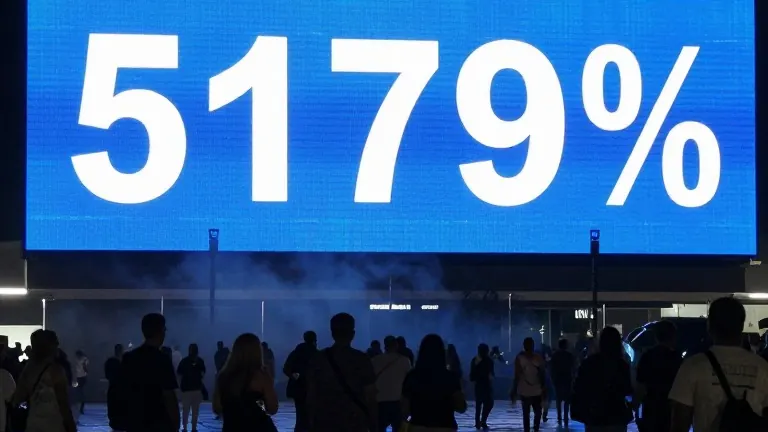
Luiz Inácio Lula da Silva secured 51.79% of valid votes in Brazil's presidential runoff, defeating center-right rival Flavio Bolsonaro who received 48.21%. The result confirms the return of the left-wing Workers Party leader to the presidency and stops a planned diplomatic realignment toward Israel that had gained momentum across the region. Bolsonaro, a member of the Liberal Party, had campaigned on a platform of closer ties with Israel and stated he did not accept the election results, though legal avenues for a challenge remain unclear.
During a meeting with Jewish leaders in Buenos Aires on June 28, 2026, Bolsonaro outlined his foreign policy goals. He stated that in 2027, Brazil would not only appoint an ambassador to Israel but also move its embassy to Jerusalem. He praised the 120,000 Jews in Brazil, describing them as men and women who rank among the brightest in Brazilian medicine, industry, science, culture, and business. This proposal stood in contrast to the current administration's posture.
Lula's government has taken a critical stance on Israel's military operations in Gaza. In January 2024, his administration endorsed South Africa's genocide case against Israel before the International Court of Justice. The following month, Lula compared the suffering of Palestinians in Gaza to Hitler's murder of the Jews. This remark triggered a diplomatic crisis between the two nations. CONIB, Brazil's Jewish umbrella organization, publicly condemned the comparison as a distortion that offended the memory of Holocaust victims and their descendants. The Holocaust Museum of Buenos Aires also criticized the statement.
Bolsonaro's loss interrupts a regional trend of strengthening ties with Israel. Since 2023, several Latin American leaders have reversed prior policies to deepen their relationship with the state. Argentine President Javier Milei, elected in 2023, has made support for Israel central to his foreign policy and meets with families of hostages. Bolivian President Rodrigo Paz Pereira, elected in 2025, restored diplomatic relations severed by his predecessor. Honduran President Nasry Asfura, elected in 2025, formally recognized Israel's new ambassador, a process his predecessor had left in limbo.
Chilean President José Antonio Kast, elected in 2025, is rebuilding ties that were diminished by his predecessor. Colombian President Abelardo de la Espriella, elected in May 2026, restored severed diplomatic ties, sent his foreign minister to inaugurate an embassy in Jerusalem, and pulled out of the International Court of Justice genocide case against Israel. These moves highlight a distinct shift in the hemisphere away from the diplomatic posture Lula now continues.
The election outcome also follows a message from Israeli Prime Minister Benjamin Netanyahu. After Bolsonaro finished ahead of Lula in the first round on October 4, Netanyahu sent a message on X/Twitter the next day. He congratulated Bolsonaro on the vote and said he looked forward to restoring the extraordinary friendship between Israel and Brazil. Lula's victory now places him in charge of a government that has maintained a more critical diplomatic posture toward Israel than the other recent Latin American administrations.