Maine toddler dies in unheated home after state agency closes safety probe
A 1-year-old died of hypothermia six days after DHHS concluded an investigation into her family, prompting new questions about oversight protocols.
By Riya Zhao ·
A 1-year-old girl died of hypothermia in a Milford, Maine, residence on Dec. 28, six days after the state Department of Health and Human Services closed a safety investigation into her household. The death of Eleanora Ray McLaughlin occurred in a home with no heat or running water, according to court records presented during a recent bail hearing.
Shane McLaughlin, 37, faces one felony count of manslaughter and three counts of child endangerment in Penobscot County Superior Court. Assistant Attorney General Jennifer Ackerman testified that the interior temperature reached 18 degrees when first responders arrived. The toddler’s twin sister, now 2, and her 3-year-old brother survived. Both children now live with their maternal grandmother.
DHHS opened the investigation on Nov. 14 and closed it on Dec. 22. Ackerman stated that the department completed the review without conducting an unannounced walkthrough of the home. A scheduled home visit had taken place in late November, but no further physical inspection occurred before the file was closed. This marked the second time DHHS closed an investigation into the family in 2025.
Kirstin Batchelder, a DHHS caseworker who joined the case in March, testified that she did not read the files from the November investigation or a prior July investigation. The July case alleged failure to thrive and medical concerns for all three children. Batchelder said she was unaware of the July probe until later. The closure of the December investigation signaled that the department found the home safe at that time.
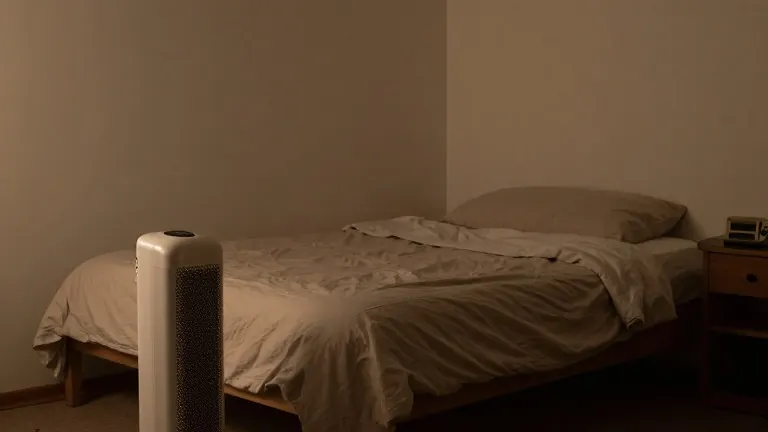
Ackerman described the conditions in the home as McLaughlin and his children prepared for sleep. The children wore light layers, including a short-sleeved shirt for the surviving twin. Frozen buckets of human waste sat in the bathtub, and animal feces were found throughout the residence. The Office of Chief Medical Examiner ruled the toddler’s death accidental.
Defense attorney James Howaniec argued that the death resulted from poverty and a mechanical failure. McLaughlin and his three children shared a single bedroom heated by a space heater that turned off for unknown reasons. A second space heater in the room was not in use, and extra blankets were available but not given to the children, Ackerman noted. No heating assistance had arrived for the household by Dec. 28.
Before his arrest, McLaughlin worked with the department by taking classes and starting therapy. He progressed to unsupervised visits with his children for 24 hours a week starting in August. Batchelder stated that the department’s priority was reunifying the family, a goal it was actively pursuing at the time of the death. A new DHHS investigation opened within 24 hours of Eleanora’s death and remains ongoing.
McLaughlin was granted $250,000 in cash bail on Oct. 30. His attorneys argued for a reduction, citing a lack of violent history and no evidence of flight risk. Howaniec stated the family can afford approximately $2,000. Ackerman maintained that the severity of the charge required a high bail amount to ensure appearance in court.
Penobscot County Judge Bruce Mallonee indicated he will lower the bail but requested more information regarding McLaughlin’s living arrangements and supervision plans. The judge said he does not believe McLaughlin poses a risk to other children. McLaughlin remains in the Penobscot County Jail unless he posts the full amount.
The sequence of events underscores the interval between state oversight and the fatal incident. The department’s prior closure of the file without a full inspection stands in contrast to the conditions described by prosecutors. The surviving children remain in the custody of their grandmother while the state reviews its handling of the case.