New York Politics: Progressive Gains Force Tax and Housing Debates
Gubernatorial candidate Kathy Hochul secured re-election with a surge in support from the Working Families Party, setting the stage for immediate pressure to raise taxes on wealthy residents and expand social services.
By Andrew Yang ·
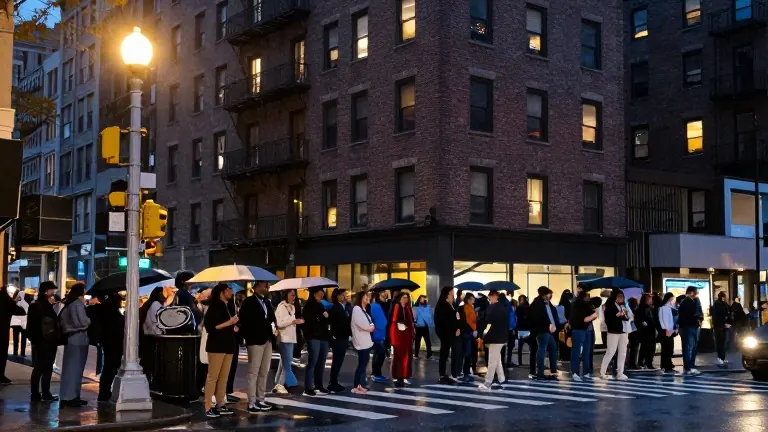
Voters in New York State will face a new political dynamic in Albany starting in January. Kathy Hochul, the state’s current governor, won a fourth term in office, but her victory relies heavily on a coalition of progressive groups that now demand specific policy concessions. These allies, who helped secure her re-election, are pushing for universal childcare, more affordable housing, and higher taxes on high earners and large corporations.
The shift is visible in the vote counts. The Working Families Party, or WFP, reported that 364,052 voters cast ballots for Hochul on their line. This figure represents a 39 percent increase over the 261,323 votes the party collected for her in the 2022 election. Hochul has accumulated a total of 3,491,718 votes as of the latest tallies, though the state Board of Elections continues to certify results.
Gabriela Benazar, the WFP spokesperson, stated that the organization views the results as a mandate to lower the cost of living for working families. She argued that New York needs a workforce that can afford rent, childcare, and medical services. Benazar noted that the party plans to translate its electoral strength into legislative action, with a primary focus on keeping working-class families in the state.
Community organizations are echoing these demands. Make the Road New York, which represents 30,000 members across the city, Westchester, and Long Island, issued a statement calling for a government that responds to the needs of immigrants, workers, and minority communities. Natalia Aristizabal, the group’s co-executive director, linked social investments directly to tax policy, asserting that the wealthiest residents and corporations must pay a fair share to sustain public services.
Tensions within the Democratic coalition have already surfaced. Elected Representative Claire Valdez told City & State that she did not publicly endorse Hochul because of the governor’s resistance to raising taxes on top incomes. Valdez voted for Hochul on the WFP line but maintained her position on fiscal policy. This disagreement highlights a split between the governor’s office and the progressive wing of her support base.
Past legislative battles foreshadow the coming conflicts. In 2026, Hochul opposed a bill that would have restricted state cooperation with federal immigration enforcement, citing concerns about criminal investigations. She also resisted tax increases proposed by Mayor Zohram Mamdani for incomes over $5 million, warning that such measures could drive wealthy residents and businesses to other states.
Political analysts suggest that the progressive surge may be partly a reaction to Republican strategies rather than a blanket approval of left-wing policies. Emmanuel Rincón, a political analyst, argued that voters are punishing parties for their own errors rather than embracing a specific ideology. He noted that many Hispanic voters who supported Donald Trump in the previous cycle shifted away from the MAGA agenda, but this does not necessarily mean they will support all progressive proposals.
The Democratic establishment is seeking a balance that preserves investor confidence while addressing voter concerns. One campaign strategist said that the governor must find a middle ground to avoid alienating both business owners and the electorate. The party aims to craft proposals that appeal to a broad base as the nation looks toward the 2028 presidential election.