Putin and African Leaders Meet in Moscow for Third Russia-Africa Summit
Delegations from 48 nations will convene on October 28 and 29 to discuss trade, security, and a new partnership framework for 2027 to 2029.
By Elena Perry ·
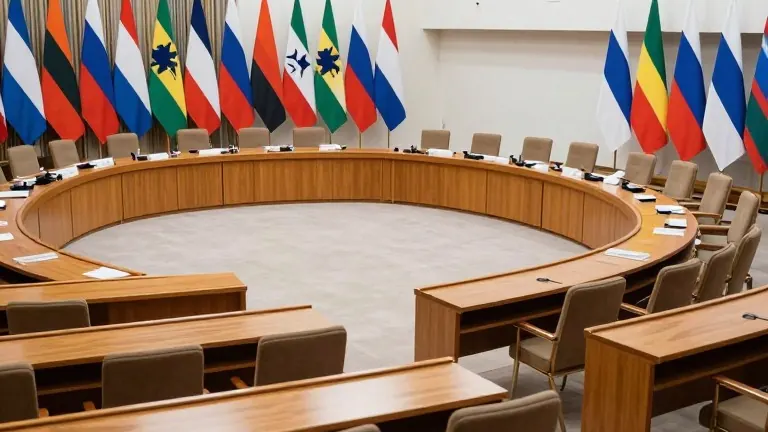
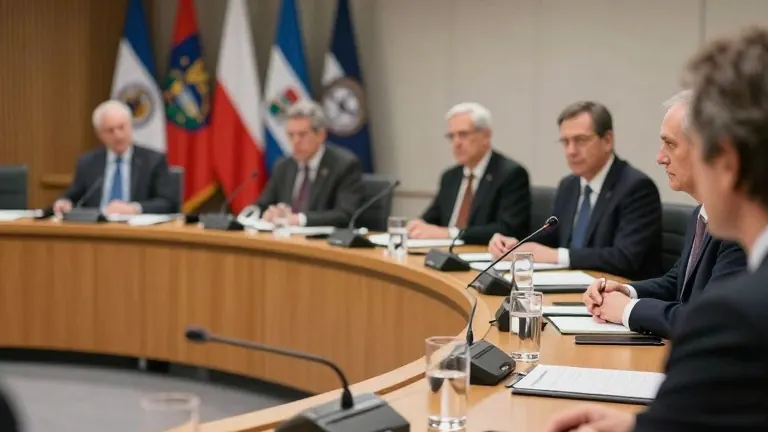
Russian President Vladimir Putin and Burundian President Evariste Ndayishimiye are presiding over the third Russia-Africa Summit in Moscow, a two-day gathering that begins on Wednesday, October 28. The event brings together leaders and delegations from 48 African countries to negotiate bilateral cooperation in politics, defense, and technology. This meeting follows the first summit in 2019 in Sochi and the second in 2023.
Kremlin presidential aide Yury Ushakov stated that 22 heads of state will attend the current session. This figure represents an increase from the 17 heads of state present at the 2023 summit, though it remains below the 43 leaders who attended the inaugural meeting in 2019. Moscow previously attributed the decline in attendance at the 2023 event to Western pressure.
The official theme of the summit is developing mutually beneficial cooperation and unlocking the potential of every African country. The program includes more than 40 sessions and approximately 100 speakers. Topics under discussion cover trade, investment, technology transfer, food and energy security, healthcare, education, and youth exchange. A business program will conclude with a plenary session.
Several leaders with strong ties to Russian security interests in the region are present. The guest list includes Ibrahim Traore of Burkina Faso and Abdourahamane Tchiani of Niger. Other attendees include William Ruto of Kenya, Yoweri Museveni of Uganda, Netumbo Nandi-Ndatiwah of Namibia, and Abdel Fattah al-Burhan of Sudan. Mohamed al-Menfi, chairman of the Presidential Council of Libya, is also in attendance. Putin is scheduled to hold bilateral meetings with Egyptian President Abdel Fattah el-Sisi and Ethiopian Prime Minister Abiy Ahmed.
A report from the African Security Analysis group indicates that Russia has expanded its security footprint in the continent. In 2023, Russian forces, primarily from the Wagner Group, operated in only a few African countries. The consultancy now counts Russian missions or troops in at least nine countries. Trade between Africa and Russia has grown to exceed $28 billion, up from an estimated $16.8 billion in 2019. However, this trade remains concentrated in a few nations and is smaller than the trade volumes between Africa and China or the European Union.
Russia’s economic ties with the continent are strongest in energy, fertilizers, defense, and nuclear power. The state-owned firm Rosatom has signed multiple agreements for nuclear projects. Russia also serves as a supplier of fertilizers and wheat. In 2023, Moscow exported 200,000 tonnes of grain to Mali, Somalia, the Central African Republic, Burkina Faso, Eritrea, and Zimbabwe.
Organizers expect to adopt a final declaration and a Russia-Africa Partnership Forum plan by the end of the summit. The framework will cover the period from 2027 to 2029. Analysts suggest that sideline meetings between African delegations and Russian defense officials may reveal Moscow’s plans for expanding military ties.
Amnesty International has raised concerns about the recruitment of Africans to fight in the Ukraine war. The directors of the organization’s African section sent an open letter to summit attendees. They urged leaders to demand that Moscow end what the group describes as deceptive and coercive recruitment practices.