Runners can fix blackened toenails at home
Podiatrists outline steps to clean and protect injured toes while emphasizing shoe fit as the primary prevention strategy.
By Andrew Yang ·
Podiatrists advise runners with blackened or fallen toenails to manage the injury at home using basic cleaning supplies and protective gear. Dr. Jacob Wynes, a podiatric surgeon at the University of Maryland School of Medicine, describes the condition as a subungual hematoma, which is bleeding under the nail bed. The injury typically causes red, purple, or black discoloration and can lead to the nail shedding.
The condition affects anyone who wears ill-fitting shoes, though it is most common among runners, soccer players, skiers, and hikers. Dr. Rull James Toussaint, chief of the foot and ankle division at the University of Florida College of Medicine, identifies repetitive trauma as the primary cause. Running downhill, high mileage, and shoes that are too tight or too loose all increase friction between the toes and the shoe front. This pressure can rupture blood vessels in the nail bed.
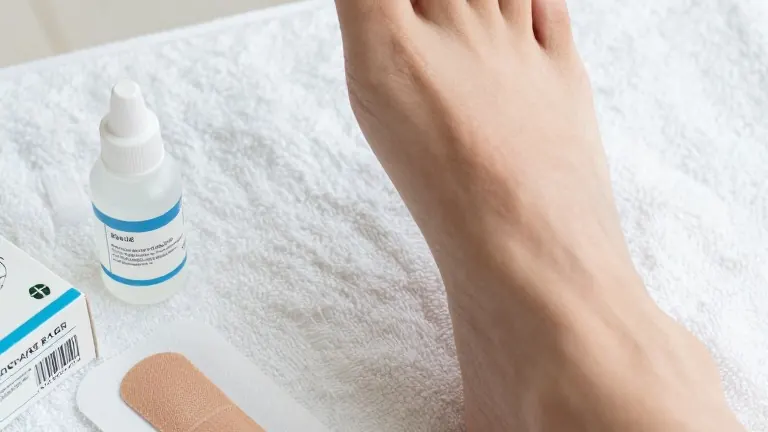
Treatment depends on whether the nail remains attached. If the nail is intact and not loose, it will likely grow out on its own. If the nail falls off, Dr. Kristin Hullings, an assistant professor of clinical orthopaedic surgery at Temple University, recommends keeping the exposed nail bed clean to prevent infection. Patients should wash the toe with mild soap and water or a saline solution. If the nail is only partially detached, leave the attached portion in place to act as a protective splint. Trim only loose edges that might snag on socks or sheets.
Apply a topical antibiotic ointment to the exposed area to keep it moist and promote healing. Cover the toe with a clean, non-adherent bandage and change it daily. Waterproof bandages often stay in place better than standard ones when feet are hot or damp. Runners can continue their training by wearing silicone sleeves over the affected toes to cushion the nail and reduce friction.
Prevention centers on correcting the initial cause. Toussaint notes that improperly fitted sneakers are the most frequent culprit. He advises getting feet measured professionally at night when feet are most swollen. There should be at least one thumb's width of space between the longest toe and the shoe top. Wear breathable, moisture-wicking socks to prevent sweat from causing feet to slide and jam into the shoe front. If pain or swelling worsens, see a doctor to rule out a fracture.
The source article notes that the condition is treatable and preventable. It highlights the importance of identifying the specific cause of the injury to stop it from recurring. Doctors agree that proper shoe fit and moisture management are the most effective long-term solutions for active individuals.