Trump's $0 Mandate: The Push to Make AI Data Centers Pay Local Communities
The administration seeks to quell local backlash by requiring hyperscalers to return excess energy and financial dividends to nearby residents.
By Elena Perry ·
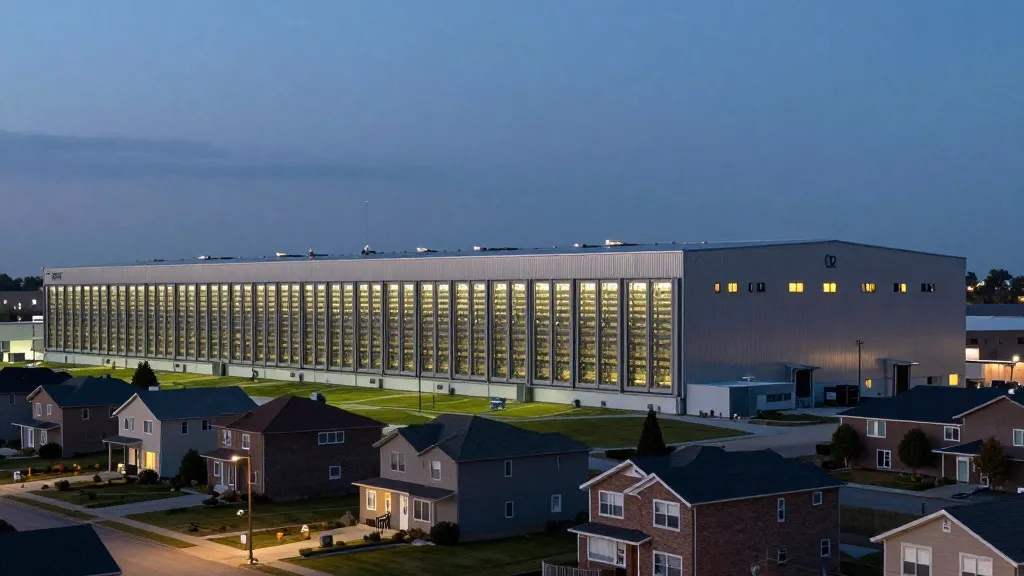
The tension between rapid artificial intelligence expansion and local community resistance has reached a breaking point in New England and across the nation. President Donald Trump has proposed a new mandate that requires data center builders and AI hyperscalers to pay a direct dividend to the communities they inhabit. The goal is to offset rising energy costs or even reduce them, thereby making the massive infrastructure projects more palatable to local residents who have long complained about the burden of hosting these facilities.
In a recent post on Truth Social, the President warned that companies would not only be required to generate their own electricity, a previous administration order, but also to feed any excess power back to the local grid. This move is designed to address the primary pain point for many small towns: skyrocketing electricity bills. By mandating that hyperscalers share their energy surplus, the administration hopes to alleviate the financial strain on households located near these energy-intensive sites.
The background of this conflict is rooted in widespread local protests. Communities across the United States have pushed back against AI data centers due to their outsized environmental and economic impact. Residents frequently cite noise pollution, water shortages, air pollution, and deforestation as major concerns. Additionally, the construction and operation of these centers have placed significant stress on local power grids, leading to higher costs for regular consumers who are not directly involved in the AI industry.
The Trump administration remains focused on maintaining a competitive edge over China in the global AI race. To achieve this, they need to secure public support for new construction. The proposed dividend is a strategic move to win back favor by ensuring that data centers contribute something tangible to the areas where they are built. While the specific mechanics of these payments are still being defined, the administration suggests that financial deals can transform unpopular projects into popular ones, as the President noted in his post.
Reactions to the proposal highlight both the potential benefits and the lingering doubts. Supporters view the mandate as a necessary step to ensure that the economic benefits of AI are shared with local taxpayers. However, critics argue that the term 'dividend' is misleading, as companies often only pay such dividends after becoming profitable, which may take years for new data center builds to achieve. Furthermore, the short-term energy generation for these facilities often relies on gas-powered generators, which some argue are noisy and inefficient, potentially negating some of the local benefits.
There is also skepticism regarding the practicality of the plan. Observers note that without strict enforcement mechanisms, companies may do the bare minimum to comply. The economic aspect of the dividend is just one facet of a larger problem. Issues such as enormous water consumption and ecological damage remain significant challenges that financial payments alone may not solve. This makes the case for new data centers a difficult sell in many locations, regardless of the promised energy refunds.
Looking ahead, the administration is expected to push for more deals to get new centers built quickly. The President has urged stakeholders to 'MAKE DEALS, and get them built!!!' emphasizing speed and financial incentive. A recently passed act already orders data centers to cover the costs of grid upgrades, preventing these expenses from being passed on to local taxes. The coming months will determine whether this dividend model can truly shift the public sentiment from opposition to acceptance.
For New England readers, the implications are direct. As the region continues to attract high-tech infrastructure, the balance between economic growth and community well-being will be closely watched. The success of this mandate will depend on whether the financial and energy benefits are substantial enough to offset the tangible downsides of living next to a massive data center. The administration's strategy relies on the premise that a financial deal is the key to unlocking the next wave of AI expansion.
More Business · Scam Watch · Report a business · Got a Story?