Voters Approve Charter Change to Speed Up Street Projects
New York voters backed a measure to shorten construction timelines by 33% and limit legal challenges to bike and bus lanes.
By Riya Zhao ·
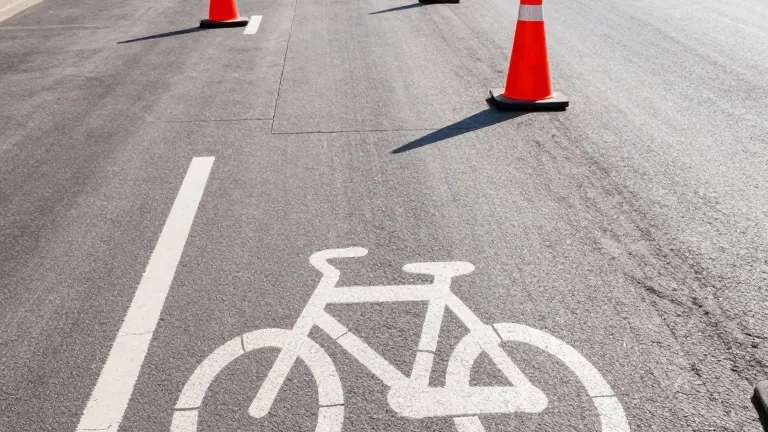
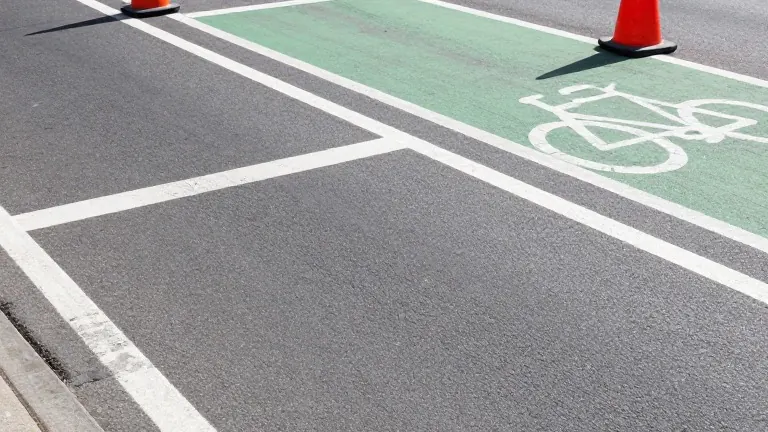
New York voters approved a charter change on Nov. 3 that will accelerate the construction of bike and bus lanes.
Ballot Proposition 3 received support from more than one million residents, accounting for 66% of the vote. The measure was advanced by Mayor Zohran Mamdani’s Commission on Government Efficiency. Four other proposals from the commission also passed on the same day. Those covered areas such as outdoor dining permits and construction approvals.
The new rules target projects designated as Major Transportation Projects. These are defined as those affecting 1,000 consecutive feet of roadway or four consecutive blocks. Any project involving a bike lane automatically qualifies for the streamlined process. Previously, the Department of Transportation had to consult four separate city agencies. It also had to certify that those consultations took place. The Fire Department was required to consult with specific firehouses in the project area.
The commission found that these requirements caused substantial delays. Transportation Alternatives released a report on Monday stating that bike lane projects took an average of 527 days to complete between 2022 and 2025. The group compared this duration to the 410 days needed to build the Empire State Building. The new law removes the requirement for agencies to check with specific sub-components like local firehouses.
The amendment also changes how lawsuits affect these projects. Opponents can no longer use procedural errors to stop a project entirely. Ben Furnas, executive director of Transportation Alternatives, said this reduces the ability of a small number of people to use litigation to halt community-supported plans. He noted that a bike lane project on 31st Street in Astoria had to be scrapped and restarted after a judge ruled in favor of local business owners late last year.
Jon Orcott, director of advocacy at Bike New York, said he was not surprised by the result. He noted that public opinion polls since 2011 have consistently shown support levels around 60% to 40%. He attributed the steady support to years of protected bike lane installations by the Department of Transportation.
Danny Pearlstein of Riders Alliance said the measure will help the city and state speed up bus service. The joint plan aims to increase bus speeds by 20% on 50 priority corridors. Pearlstein stated that the city does not want to be in court for 50 major projects. He added that the goal is to get improvements out the door without extra delay.
The Department of Transportation can now begin work before presenting a plan to the community board if there is a risk of significant injury without immediate action. COGE estimates the reforms will cut construction timelines by 33%. The power is intended for streets with the most dangerous crash data.