Yonkers residents face rising eye strain from UV exposure and digital screens
Local experts warn that high summer UV indices, spring pollen, and increased screen time are accelerating vision damage across Westchester County.
By Riya Zhao ·
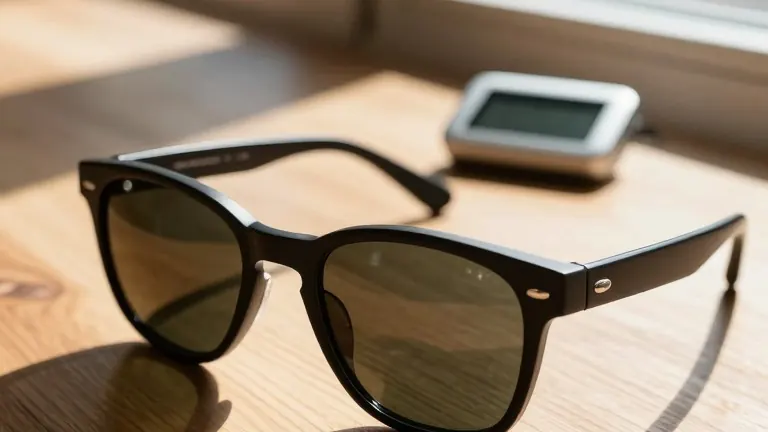
Residents of Yonkers are experiencing increased ocular stress due to a combination of environmental factors and digital habits.
The local climate creates specific conditions that challenge eye health. High summer UV indices, heavy spring pollen, and extensive digital screen time form a challenging environment for visual acuity.
Spring brings dominant tree species such as oak, birch, and maple to Westchester County. Pollen from these trees hits the conjunctiva, causing mast cells to rupture and release histamine. This reaction leads to swollen blood vessels and itching. The American College of Allergy, Asthma, & Immunology states that eye allergies affect millions of Americans annually. These conditions often result in chronic dry eye and reduced productivity.
Summer sun exposure presents a different threat. UVA rays penetrate the cornea to reach the lens and retina, while UVB rays are absorbed by the cornea. Both types cause cellular damage. The Environmental Protection Agency identifies UV radiation as a leading environmental cause of temporary vision loss and long-term blindness. Extended unprotected exposure can accelerate macular degeneration and cataract formation.
Many residents rely on inexpensive tinted plastic sunglasses. These products darken vision without effectively blocking UV rays. This darkness causes pupils to dilate, allowing more ultraviolet radiation to enter the eye. For individuals wearing corrective lenses, cheap plastic overlays can worsen optical clarity and strain ciliary muscles.
Digital screens contribute to visual fatigue in a different way. The American Optometric Association reports that nearly 50% of American adults experience digital eye strain daily. Staring at screens reduces blink rate by half. This allows the lipid layer of the tear film to evaporate, drying the cornea. Indoor air conditioning in Yonkers commercial buildings further strips moisture from the air, accelerating this process.
New wearable technology adds to the strain. AI glasses project data directly into the user's field of view. This forces the eyes to shift focus rapidly between the digital overlay and the physical world. This conflict can trigger nausea, headaches, and ocular exhaustion. The devices require constant adjustment of focus, placing a metabolic toll on the visual system.
Over-the-counter chemical drops often provide only temporary relief. These products contain vasoconstrictors that force blood vessels to shrink. Once the effect wears off, vessels expand wider than before, a phenomenon known as the rebound effect. This cycle can lead to dependence on the drops to maintain normal appearance.
Experts recommend specific steps to mitigate these risks. The 20-20-20 rule suggests looking at an object 20 feet away for 20 seconds every 20 minutes. This resets blink rate and disengages the ciliary muscle. Consumers should look for the ANSI Z80.3 standard on sunglasses to ensure strict UV transmittance limits. Maintaining indoor relative humidity above 40% helps prevent tear film evaporation. Adequate sleep also supports ocular hydration and cellular debris clearance.
These measures address the physiological and environmental variables that degrade vision over time. Proper filtration, precise vision correction, and management of inflammation help prevent permanent damage. These steps allow residents to protect their eyes without relying on temporary cosmetic fixes.