Florida homeowners urged to inspect gutters before wet season ends
Palm Beach County residents face accelerated gutter deterioration due to high humidity, intense UV exposure, and constant debris from local vegetation, prompting experts to recommend three annual cleanings instead of two.
By Riya Zhao ·
Palm Beach County homeowners face a growing maintenance challenge as the region's climate accelerates gutter failure. The wet season, which runs from June through September, subjects home exteriors to a relentless cycle of heat, humidity, and wind-driven rain. This environment causes metal components to expand and contract, loosening fasteners over time while standing water promotes rot and rust.
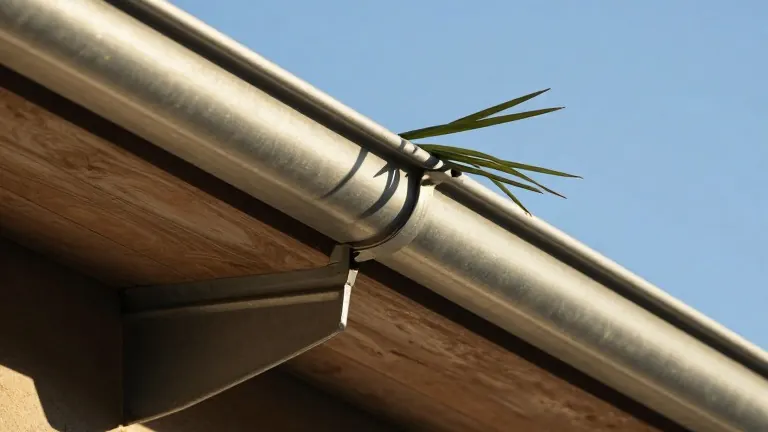
The local vegetation adds to the burden. Live oaks, palms, and pines shed debris year-round rather than in a single autumn drop. Palm fronds, in particular, trap moisture against gutter seams, creating conditions for mosquito larvae and accelerating wear. The National Weather Service notes that Florida records some of the highest ultraviolet exposure in the continental United States, a factor that causes vinyl gutters to chalk and become brittle if they are more than fifteen years old.
Experts advise a shift from the traditional twice-yearly cleaning schedule to three annual passes for homes under heavy tree cover. The first pass should occur in late May before storm season begins, focusing on clearing troughs and checking pitch. A second, quick check in mid-summer addresses debris compacted by early storms. The final pass in October, after the wet season ends, allows for a thorough inspection of fascia and soffits while the wood is dry.
Homeowners can perform a preliminary assessment from the ground in about ten minutes. Key indicators of trouble include water dripping in a straight line below the gutter, which signals overflow. Tapping a downspout near the bottom reveals if it is clogged; a dull sound indicates blockage. Staining or soft spots on the wood behind the gutter suggest water is sitting where it should not be. The presence of increased mosquito activity near a specific corner of the house also points to standing water in the trough.
Drone inspections are increasingly used to view rooflines and hangers without the safety risks of ladders in high heat. These aerial views provide a complete look at the system, helping identify issues that might be missed by a ground-level observer. Professionals recommend checking splash blocks and downspout extensions to ensure water is directed away from the foundation, preventing soil erosion and slab pressure.
The cost of neglect is high. Sagging gutters pull away from fascia boards, leading to rot that can travel into the soffit and roof edge. The National Association of Home Builders identifies exterior water intrusion as a frequent and expensive problem, often starting at the roof edge. A routine cleaning costs approximately $200, whereas repairing damaged fascia can run into thousands of dollars. Homeowners planning to sell within the next year are advised to have gutters inspected and cleaned before listing, as buyers and inspectors closely examine stained fascia and standing water.
When hiring a contractor, homeowners should ask if the crew checks pitch and fasteners, not just debris. They should also inquire about methods for inspecting hard-to-reach areas and whether downspout cleaning is included in the price. Repairing existing issues is generally more cost-effective than immediate replacement, and homeowners should be cautious of providers who push for a full system swap without a thorough initial assessment.