New York imposter scams cost $534M in 2024 as state AG warns of new tactics
The Attorney General and Yonkers police detail four common fraud patterns, including gold bar deliveries and cloned voices, urging residents to verify callers before paying.
By Riya Zhao ·
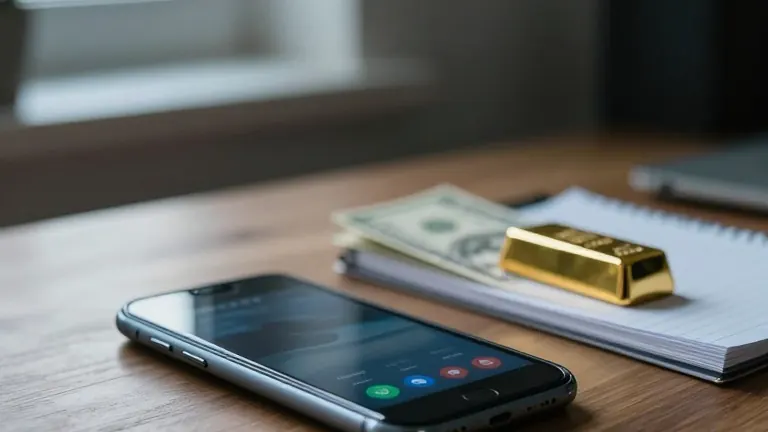
The New York Attorney General issued an alert in August 2026 regarding gold bar scams, a scheme where victims lose over $100 million to the NYPD over two years. Fraudsters pose as law enforcement investigators to convince targets to withdraw savings and hand physical gold to a courier. The state official advised that victims should hang up if scammers instruct them to keep the transaction secret from family or bank staff.
These local warnings align with federal data showing a sharp rise in imposter fraud. The Federal Trade Commission reported that New Yorkers filed 278,662 fraud reports in 2024, with imposter scams accounting for 11 percent of those cases. Reported losses in the state reached $534 million, while the median loss per victim was $429. National figures for 2025, released in June 2026, indicate that people lost $3.5 billion to imposter scams, with government impersonators taking $920 million.
Yonkers police recently held prevention talks at the Bernice Spreckman Center and the Chema Center, reaching approximately 160 seniors. Detectives emphasized that the department never calls to demand payment or make threats. The agency noted that scammers continue to spoof the headquarters number, (914) 377-7900, making caller ID an unreliable indicator of authenticity.
Other common tactics include the grandchild in trouble and online romance fraud. The FBI’s 2025 Internet Crime Report found that victims lost more than $5 million to scams using cloned voices to mimic loved ones. In February 2026, the Attorney General warned about pig butchering schemes, where fraudsters build trust over weeks before moving victims to platforms like WhatsApp or WeChat to manage fake investment accounts.
Officials recommend using reverse image search tools like Google Lens or TinEye to verify profiles of online contacts. Saving a clear photo and running a face search can reveal if the image belongs to a model or another individual. Kelly Chiarella, director of the Yonkers Office for the Aging, stated in January that communication from unexpected sources should be treated as untrusted until verified.
Residents who suspect fraud can contact the Yonkers Police Department at (914) 377-7900 or the New York Attorney General at 1-800-771-7755. The FTC also accepts reports at ReportFraud.ftc.gov. Victims should preserve all text messages, call logs, and screenshots before contacting their bank or card issuer to report unauthorized transactions.
The Attorney General’s office advises gold bar scam victims in the five boroughs to also report the incident to their local NYPD precinct. Keeping digital records of the interaction allows law enforcement to trace the fraud network more effectively.