Washington resident dies from H5N1 after dairy farm exposure
The first avian flu death in the U.S. in a year occurred in Yakima County, where 33 cattle herds tested positive for the virus.
By Elena Perry ·
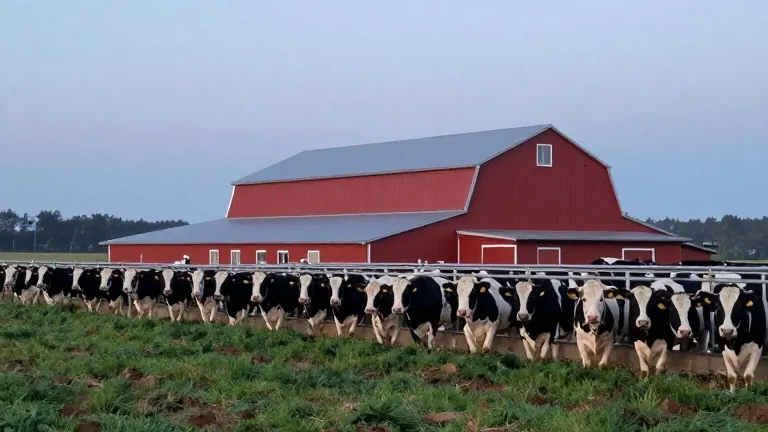
Avian influenza has claimed its first human life in the United States in the past year. A resident of Yakima County, Washington, died on Sunday from complications related to the virus.
Local health authorities confirmed that the patient had preexisting health conditions. The individual was hospitalized after being exposed to infected cattle at a local dairy farm.
Three key developments define the current state of the outbreak. First, the Centers for Disease Control and Prevention identified the specific strain as H5N1. Second, county officials reported that 33 dairy herds recently tested positive for the virus. Third, the Yakima Health District is currently tracing close contacts of three confirmed human infections to monitor for symptoms.
This death follows two other fatalities linked to avian flu since the virus became a national concern in 2024. The first death, reported in January 2025, involved an elderly person in Louisiana who carried the H5N1 variant. The second occurred in November 2025 in Washington, where a patient died from the rarer H5N5 strain.
Health officials have tracked more than 70 human infections in the U.S. since early 2024. The CDC states that the risk to the general public remains low and that no person-to-person transmission has been identified. The virus has spread widely among wild birds, poultry, cattle, and other animals over several years. Officials noted that environmental presence increases the likelihood of human exposure.
On Monday, a CDC spokesperson announced that the agency sequenced the genetic material of the virus from the deceased Washington resident. The analysis found no changes that would allow the virus to spread more easily or cause more severe disease. Authorities continue to advise those handling sick or dead birds to use respiratory protection, eye gear, and gloves. Workers on farms face a higher risk of exposure than the general population.