Iran Seeks Sanctions Relief and Pipeline Deals Amid Threat of New US Strikes
Tehran delivered a seven-point demand list to Washington while deepening military and economic ties with Moscow as the Strait of Hormuz remains a focal point of conflict.
By Andrew Yang ·
Iran is pursuing a dual strategy of aggressive diplomacy and deepening alliances with Russia as President Donald Trump warns the United States may resume full-scale strikes on the Islamic Republic. The diplomatic push follows the downing of two US reconnaissance drones near Qeshm island, an incident that led American forces to strike Iranian targets earlier this week. Trump told reporters on Thursday that the US may have to destroy the rest of Iran, adding that the public will know soon enough if he acts.
On Thursday, Iran delivered a new nuclear and peace proposal to Washington through Qatari mediators. A senior Iranian official stated that the proposal would only be discussed after the US meets Tehran's seven demands. These conditions include the lifting of sanctions, the unfreezing of Iranian assets, and an end to the US naval blockade of Iranian ports. Washington maintains that any ceasefire must include an agreement on Iran's nuclear capacity before wider talks can begin.
Tehran also strengthened its bond with Moscow by sending top security official Mohsen Rezaei to meet President Vladimir Putin at the Kremlin. Rezaei delivered a message from Supreme Leader Mojtaba Khamenei and described the exchange as extremely important. He reiterated that Iran will not reopen the Strait of Hormuz or negotiate until the seven conditions are met. The Financial Times reported that Russia agreed to supply Iran with 90 helicopter-mounted launchers for precision-guided missiles, a move that shows Moscow's willingness to support Tehran despite its own wartime needs.
The Kremlin meeting also advanced economic cooperation, with Rezaei stating that the two sides discussed building gas pipelines from Russia to Iran. These pipelines aim to ease Iran's gas shortages and facilitate Russian energy sales to neighboring countries. Iran's natural gas refineries were damaged during the intense 40-day phase of US-Israeli strikes earlier this year. Russia's Foreign Ministry has advised its citizens against travel to Iran due to the remaining risks of a new escalation.
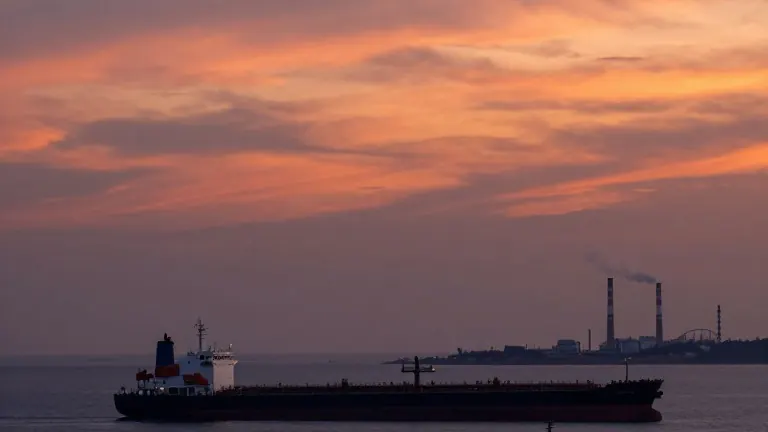
Iranian Foreign Minister Abbas Araghchi held phone calls on Thursday with counterparts from the UAE, Saudi Arabia, Kuwait, Turkiye, Oman, and Qatar. The discussions covered regional stability and de-escalation, with Oman identifying safe passage through the Strait of Hormuz as a main topic. Iran continues to control shipping through the waterway while granting exemptions to Iraq, Qatar, India, and China. The strait normally carries about one-fifth of global oil supplies.
Trump's warnings come despite his Republican Party's heavy losses in this week's midterm elections, which were driven by public anger over the war and rising energy prices. Former Iranian diplomat Hadi Afghahi noted that Trump does not want to go to war because it will cost him more, though he remains surrounded by hawks. Qatar's Emir Sheikh Tamim bin Hamad Al Thani spoke with Trump on Friday about mediation aimed at a comprehensive agreement. Tehran has warned that any country helping America attack Iran can be a legitimate target and that its missile bases have the range to target American bases.
Recent days have seen US defensive strikes on Qeshm island and Bandar Lengeh. The Iranian Revolutionary Guard Corps navy said at least seven tankers caught fire after hitting mines in the strait this week, including two on Friday. Maritime organizations have not confirmed these incidents. Control of the strait has been a central stumbling block in negotiations since the war began in February, with the US blockading Iranian ports and escorting tankers through the waterway.