Israeli Election: Security Over Global Image
Despite a median 67% unfavorable rating abroad, voters focus on domestic safety ahead of the Oct. 27 ballot.
By Andrew Yang ·
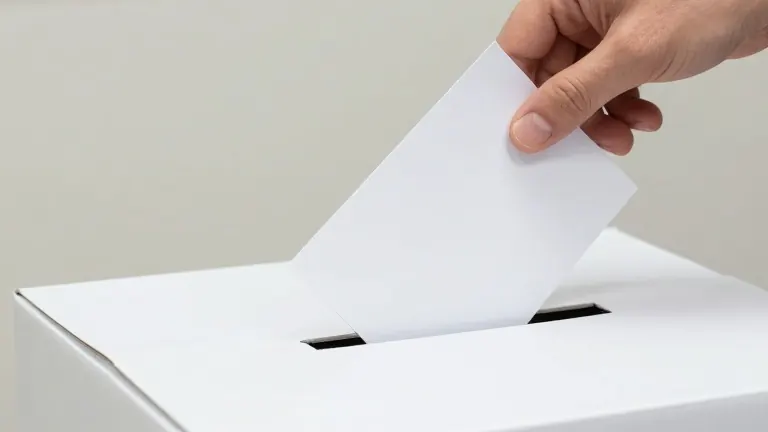
Israeli voters are set to cast ballots on Oct. 27, prioritizing domestic security over the country’s deteriorating global image. The election follows months of international friction that has left Israel’s reputation at historic lows. Yet, domestic polls and expert analysis suggest that foreign perception is not the driving force behind voter choice.
The shift in global opinion is documented in a Pew poll conducted between February and May 2026. Across 36 countries, a median of 67% of adults held an unfavorable view of Israel. This diplomatic strain is accompanied by growing hostility from foreign leaders. Many have described Israel’s military action in Gaza as disproportionate. Some allies have pulled back support or imposed sanctions due to settler violence in the West Bank and broader government policies.
Incidents involving Israeli tourists have further fueled the narrative of international tension. In July, Israeli holidaymakers in Montenegro were confronted by locals who questioned if they were taking a break from genocide. In Greece, a restaurant reportedly refused service to an Israeli woman. In Thailand, a mother and daughter were allegedly beaten after identifying themselves as Israelis. In the United States, an Israeli couple checking into a California hotel were asked if they were baby killers.
Yaakov Katz, a senior fellow at the Jewish People Policy Institute, noted that while there are complaints about the government’s effectiveness in explaining its policies, most Israelis view the situation as beyond their control. Katz said many accept Prime Minister Benjamin Netanyahu’s argument that the world is against Israel regardless of its actions. He observed that people do not push back on this view because part of it is true.
Katz explained that many Israelis believe the rise in antisemitism would occur regardless of Israel’s conduct. He stated that even if the death toll in Gaza were 10,000 instead of 70,000, claims of genocide would likely persist. Katz added that the average Israeli does not fully grasp that declining support, particularly in the US, could have existential consequences for the country. Most voters take comfort in news such as President Donald Trump’s endorsement of Netanyahu.
Ofir Dayan, a senior fellow at the Institute for National Security Studies at Tel Aviv University, said Israelis are aware of and concerned about foreign developments. However, she noted that these issues are secondary to more pressing domestic matters. Dayan described Israeli voters as one-issue voters, with security being the dominant factor in this election. She argued that the country is not sufficiently removed from the events of Oct. 7 for voters to shift their priorities based on global standing.
Peter Lerner, a former Israel Defense Forces spokesman, told the Jewish Telegraphic Agency that international standing is secondary to two main factors: whether Netanyahu remains in power and the balance between the left and right. Lerner said that questions about who is best suited to handle threats come with each of these packages. He observed that when candidates discuss international issues, it remains secondary to other campaign promises.
Few parties have proposed detailed public diplomacy plans. The B’Yachad Party, led by former prime ministers Naftali Bennett and Yair Lapid, discusses repairing ties with world Jewry. The party aims to elevate the importance of Diaspora Jewry by allowing a non-voting observer in the Knesset to focus on these issues. Amcha Yisrael, a right-wing party led by former IDF Brig. Gen. Ofer Winter, has two prominent public diplomacy activists on its list. Yoseph Haddad, one of the candidates, has stated he wants to become Israel’s next minister for public diplomacy.
Eylon Levy, a former Israeli government spokesman, said public diplomacy is not a goal in itself for most candidates. He noted that the focus is on managing relations to achieve national interests. Levy pointed out that opinions range from the far right’s approach of making Israel look tough to the left’s belief that normal behavior will restore relations. Levy said a more moderate government might buy Israel some goodwill among theoretical supporters, though he does not expect a magical boost in international standing.