New Zealand Election Leaves Nation in Three-Week Wait
Neither major party secured a clear mandate, forcing a pause while officials count special votes and determine if the right holds a one-seat majority.
By Andrew Yang ·
New Zealanders will wait until November 27 to determine who leads the country after Saturday's election produced no decisive winner for either the right or the left. The tight result leaves both major factions relying on negotiations for a governing majority to secure power.
The vote delivered a sharp setback to the dominant political parties. Christopher Luxon's center-right National party and Chris Hipkins' center-left Labour party lost ground to minor groups on the ideological flanks. These smaller parties now possess the leverage to demand deeper policy concessions from a weakened National or Labour bloc.
A new entrant, Opportunity, secured seven seats in Parliament. The group is led by Qiulae Wong, a 38-year-old business consultant who became party leader less than a year ago. Wong stated that she could work with either side to form a government, positioning her party as a pivotal bloc in the coming negotiations.
With 2.8 million ballots counted on election night, the conservative bloc led by Luxon appeared close to the slimmest possible return to power. The margin was just one seat. Luxon did not claim victory but suggested he could negotiate for a second term, attributing public dissatisfaction to global economic shocks rather than domestic policy failures.
His opponent, Hipkins, who lost office in 2023 over similar economic concerns, appeared to fall short of a majority. The left-wing bloc seemed to have a more remote prospect of triumph compared to the conservative side. Both parties will not begin formal negotiations until the final seat counts are released.
Electoral officials began counting nearly 400,000 special votes on Sunday. This process includes ballots from New Zealanders living abroad and is expected to take three weeks. Historically, these votes have granted an additional seat or two to left-wing parties, which could alter the current razor-thin majority held by the right.
Luxon told reporters on Sunday that he would lead a caretaker government until an outcome is reached. He urged the public to take a break from politics for the next three weeks. Several senior National lawmakers, including the ministers of finance and defense, the speaker of parliament, and the attorney general, are set to exit politics based on the results so far.
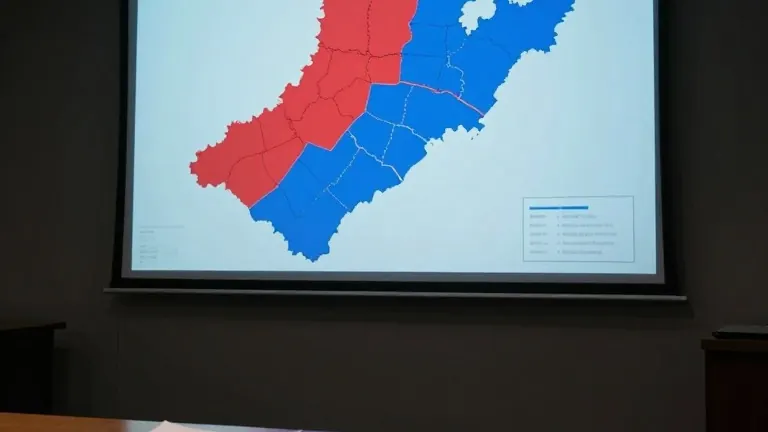
National won 29.21% of the preferred party vote and secured 42 seats entirely through local constituency wins. Labour won 29.36% of the party vote but secured only 36 seats. The conservative bloc currently holds 67 seats, a one-seat advantage over the 66 required for a majority. The left bloc holds 57 seats before special votes are counted. Libertarian ACT won 13 seats and New Zealand First won 12. The Greens won 16 seats and Te Pāti Māori secured five.