Study Links Green Spaces to 31% Drop in Premature Death Risk
New research quantifies how access to urban parks lowers blood pressure, reduces diabetes incidence, and cuts reliance on prescription drugs.
By Andrew Yang ·
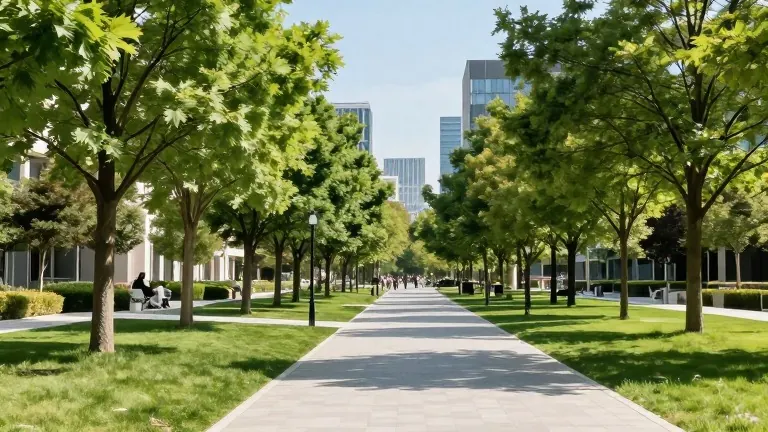
Researchers confirm that regular access to green spaces correlates with a 31% lower chance of dying prematurely from any cause. This finding comes from a 2018 review of more than 140 studies that analyzed the impact of nature on human health. The data indicates that these environmental benefits extend beyond simple recreation. They directly influence vital physiological markers and long-term survival rates.
The link between urban greenery and physical health is not new. Designers like Frederick Law Olmstead viewed spaces such as Central Park as a remedy for city crowding more than 170 years ago. Recent science now provides specific metrics for these benefits. A 2018 analysis found that greater exposure to green areas is associated with lowered heart rates and diastolic blood pressure. Diastolic pressure measures the force in arteries when the heart relaxes between beats. This reduction in pressure corresponds to a 16% lower risk of dying from heart issues. It also reduces the incidence of stroke, hypertension, high blood fats, asthma, and coronary heart disease.
Mental health benefits appear quickly after brief exposure. A June study from China tracked participants who walked for 30 minutes in an urban forest. Their attention and mood improved compared to individuals who exercised indoors on a treadmill. Self-esteem and enjoyment of the activity also rose. Biologically, the walkers showed lowered cortisol levels. Cortisol is the body's primary stress hormone. They also exhibited higher parasympathetic activity. This system aids the body in relaxing and recovering during rest periods.
Residents of greener neighborhoods face lower risks for neurological conditions. A 2020 Canadian study examined data from Ontario. Researchers used satellite imagery to measure the greenness of patients' surroundings. They found that living in areas with more greenery reduced the risk of dementia by 3%. The same greenery increase lowered the risk of stroke by 4%. The study defined the greenery difference as the gap between the 25th and 75th percentiles of neighborhood coverage.
Diabetes prevention shows the strongest statistical correlation with nearby nature. A study of 22,535 adults in Ningbo, northeastern China, found that greenspaces lowered diabetes risk by 55% to 62%. Older adults gained the most from this exposure. Researchers noted that the risk reduction could not be explained by physical activity or body mass index. This suggests the environment itself provides a protective effect, independent of the exercise a person chooses to perform.
Proximity alone is insufficient for certain medical outcomes. A 2023 study from Finland found that having a view of green space or living near it did not change medication usage trends. Active visitation was required. People who visited green spaces more frequently had lower odds of using brain-altering medications. This group included those taking anti-anxiety drugs, antidepressants, and sleeping pills. Frequent visitors were also less likely to rely on medication for high blood pressure or asthma.
These findings offer a quantifiable advantage for the 80% of Americans who live in urban areas. The data supports the idea that municipal parks provide measurable health returns. The benefits range from immediate stress reduction to long-term disease prevention. The evidence suggests that planning for green space is an investment in public health infrastructure.