Artemis Moon Mission Faces Launch Count Reality Check
A new safety panel estimate suggests the lunar program requires far more rocket flights than previous optimistic projections, creating schedule pressure.
By Elena Perry ·
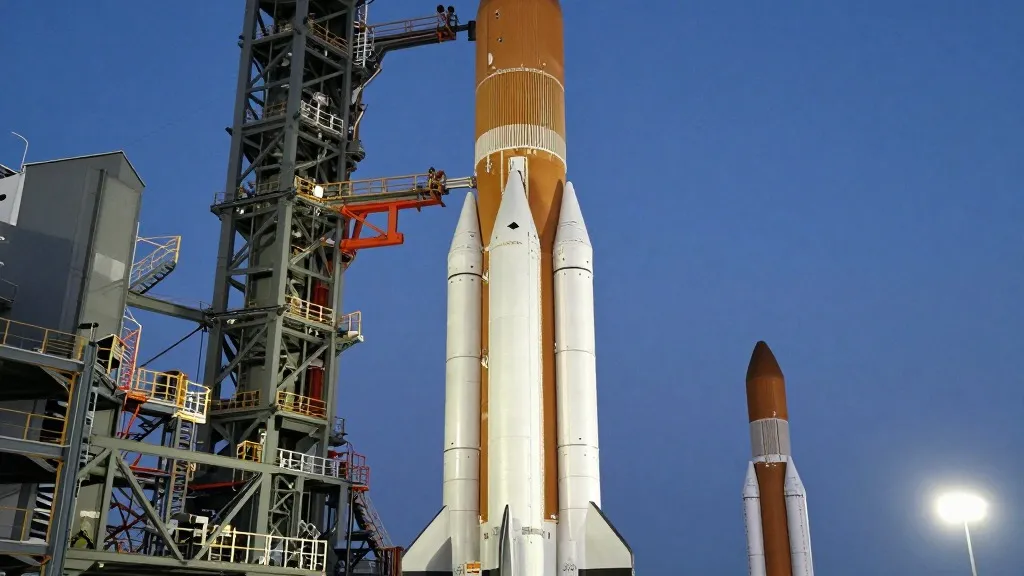
The path to returning humans to the lunar surface is currently defined by a single, contentious metric that NASA has historically guarded with unusual secrecy. The agency has long treated the specific number of Starship launches needed to support a crewed lunar mission as a sensitive figure, often comparing its protection to the handling of nuclear codes. This opacity stems from the complexity of calculating how many flights are necessary to build a propellant depot in low-Earth orbit, a critical step before any lander can travel to the Moon, land, and return.
The core tension lies in the shifting nature of this estimate over recent years. NASA officials have frequently declined to provide a firm number, citing uncertainty. In 2023, Lisa Watson-Morgan, then director of the Human Landing System, expressed reluctance to pin down the exact figure, telling Ars Technica that the agency had a general idea but was hesitant to commit. She later described the requirement as being in the high single digits to the low double digits, suggesting approximately a dozen launches. This estimate implied a logistical challenge where SpaceX would need to launch one depot Starship followed by eleven tanker Starships to fully load it with liquid oxygen and methane.
Other officials have offered even higher projections, with some citing figures in the high teens. The underlying hope driving these calculations has been that SpaceX would rapidly increase the lift capacity of the Starship rocket. A dramatic improvement in payload capability was expected to reduce the number of required tanker flights, thereby streamlining the overall logistics for the Artemis Program. However, recent commentary from within NASA suggests that this anticipated boost in performance may not be arriving quickly enough to keep the timeline for a decade-end lunar landing on track.
New data points have emerged to clarify the scope of this logistical burden. On Thursday, the NASA Aerospace Safety Advisory Panel held its quarterly meeting, where panel member Charlie Precourt, a former NASA astronaut, addressed the risks associated with the Artemis Program. His remarks highlighted the ongoing challenges in landing humans on the Moon and provided context for why the launch count remains a focal point of debate among stakeholders.
The implications of these estimates extend beyond simple arithmetic. If the number of required launches remains high, the success of the lunar landing hinges on the operational tempo of the Starship fleet. The program’s ability to execute multiple consecutive flights without significant delays or setbacks will determine whether the current decade timeline is viable. The uncertainty surrounding the lift capacity improvements adds a layer of risk that NASA must manage while planning the mission architecture.
This situation reflects a broader challenge in modern space exploration: balancing ambitious goals with the engineering realities of heavy-lift rocketry. The Artemis Program relies on a commercial partner to deliver key capabilities, and the gap between projected performance and actual results can have significant downstream effects on mission scheduling. As the agency moves forward, the transparency of these operational numbers will likely increase, providing a clearer picture of the path ahead.