Ethiopian Health System Near Collapse as Northern Fighting Returns
WHO chief warns of drone strikes and shortages in Tigray and Amhara, while a new opposition coalition seeks to coordinate efforts against Prime Minister Abiy Ahmed's government.
By Elena Perry ·
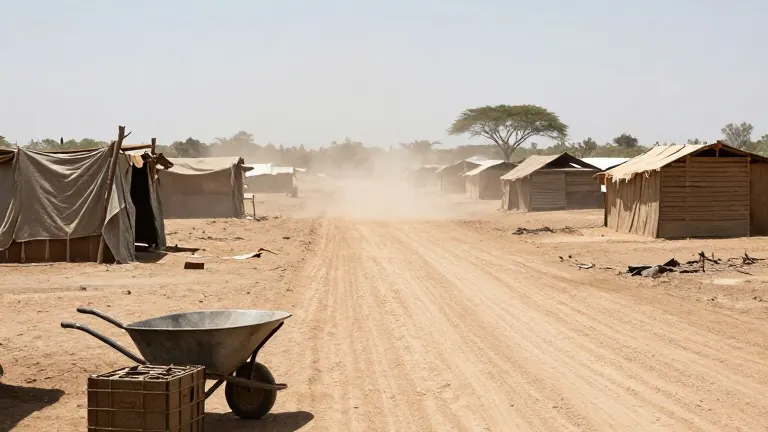
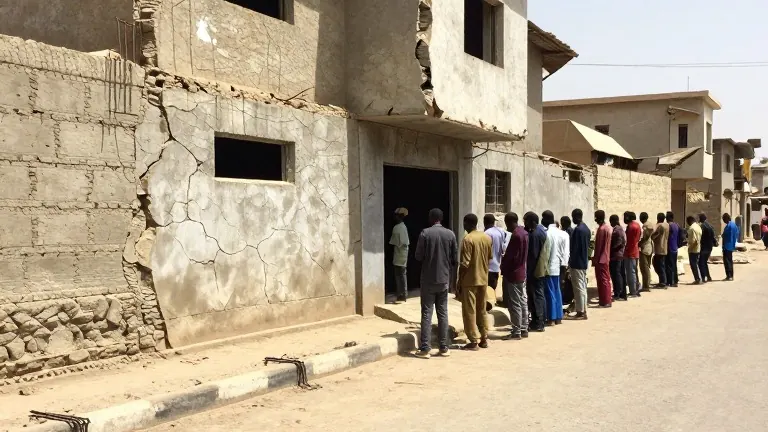
Tedros Adhanom Ghebreyesus, the head of the World Health Organization, stated on Monday that the resumption of attacks in northern Ethiopia is pushing the region's fragile health system to the brink of failure. He cited reports that children, including a newborn, were killed in the Jaari 2 displaced persons camp in the Amhara region. In the neighboring Tigray region, deaths were reported in Rama among people attempting to secure food.
The violence has effectively shattered the peace agreement signed in November 2022 between the federal government and rebel forces in Tigray. Ghebreyesus noted in a post on X that drone attacks and civilian casualties are becoming a frequent occurrence across the country. He did not provide specific dates for the incidents or identify the parties responsible, nor did he give precise casualty figures for the two main sites.
The healthcare infrastructure in the north is suffering from a lack of medical staff, medicines, and equipment. Ambulance services are severely limited, and insecurity is hindering the delivery of medical supplies. The WHO and other United Nations agencies have begun working to deliver additional aid to the area.
"Civilians must be protected. Health workers and humanitarian supplies must be allowed to reach those who need them," Ghebreyesus said. He acknowledged his Tigrayan heritage, which has previously drawn accusations of political bias from Ethiopian authorities. In January 2022, the government accused him of using his position to advance political interests. Ghebreyesus maintained that he speaks without partiality despite his regional ties.
The conflict extends beyond Tigray. In the Amhara region, the Fano militia has fought federal forces since 2023. In Oromia, the Ethiopian Orthodox Church reported that at least 60 Orthodox Christians were killed. Ervin J. Massinga, the U.S. ambassador, condemned the selective killings in the Arsi zone on Saturday and called for an investigation. "Such terrible attacks against any group must be stopped," he wrote in a statement released by the U.S. embassy on social media.
Prime Minister Abiy Ahmed posted on social media that government leaders are undergoing military training in Huru, in the eastern part of the country. He said the exercises strengthen discipline, leadership, and readiness. Photos shared online showed Abiy in khaki attire with participants performing push-ups and group drills.
A coalition of seven opposition groups, the Ethiopian People's Forces Alliance for Survival, released a video statement approving plans to strengthen cooperation and coordinate campaigns both domestically and among the diaspora. The alliance, formed in September, aims to remove Abiy from power. Its members include the Tigray People's Liberation Front, the Amhara National Movement Fano, the Oromo Liberation Army, and four other groups. The coalition accused the ruling Prosperity Party of fueling conflict, displacement, and poverty, and demanded an inclusive political transition.