Japan Establishes Central Disaster Agency to Coordinate National Response
The new body will manage preparedness and reconstruction, aiming to fix gaps exposed by the 2011 tsunami and recent quakes.
By Riya Zhao ·
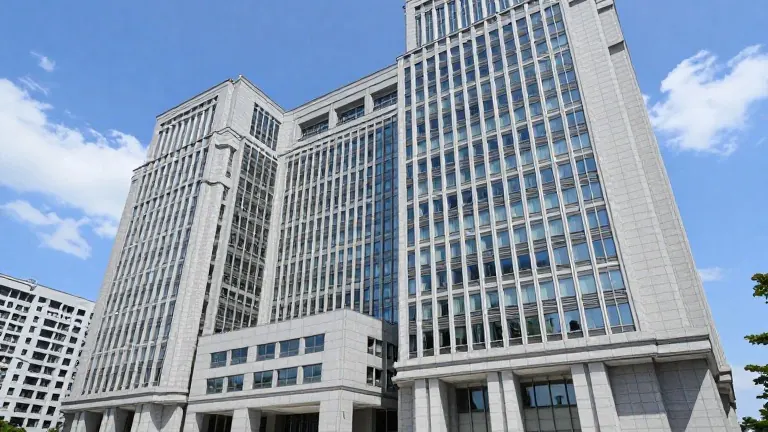
Japan operates in a region with high seismic activity, but it has never held a single federal body responsible for coordinating all disaster efforts until now. On Monday, the country launched the National Disaster Management Agency to centralize command and control.
The new agency employs more than 350 workers. Its mandate covers three main areas: preparedness, emergency response, and long-term reconstruction. It is designed to replace the previous system where officials from various ministries formed temporary teams only after a disaster struck.
Reconstruction Minister Goshi Hosono stated the agency serves as the command center for disaster response. He said the goal is to protect lives and property and to make Japan the most prepared nation in the world. Hosono will manage the agency under Prime Minister Sanae Takaichi.
The creation of this body is not a reaction to a specific threat, but a fix for a structural gap. Officials cite concerns about whether the country is ready for a crisis similar to the 2011 earthquake and tsunami. That event killed nearly 20,000 people and triggered the Fukushima nuclear disaster.
Hosono previously oversaw the response to the Fukushima nuclear crisis. He intends to apply lessons from that experience to the new agency. He also issued emergency requests to local municipalities and citizens on Monday.
Those requests ask residents to check the earthquake resistance of their homes. Citizens are told to anchor furniture, review evacuation procedures, and stock enough water and portable toilets for at least three days. Hosono urged people to take individual action rather than waiting for government orders.
Data presented by Hosono highlights current weaknesses. Less than half of municipal officials have received disaster management training in the last five years. Only 15% of Japanese municipalities have specific evacuation plans for elderly and disabled residents who need assistance.
Government assessments identify specific risks that the agency must address. A megaquake along the Nankai Trough could kill an estimated 298,000 people. It would displace 6.5 million evacuees and destroy 2.35 million homes. A major quake in metropolitan Tokyo could cause 18,000 deaths and leave 4.1 million people homeless.
The agency also aims to improve conditions in evacuation centers. Historically, shelters such as gymnasiums and classrooms have lacked privacy, bedding, and clean facilities. These harsh conditions have been linked to health issues and deaths. The new agency plans to provide portable toilets, kitchens for hot food, hot bath facilities, and cardboard beds.
Recent events underscore the need for better preparation. In July, a magnitude 7.1 earthquake in Kumamoto killed 38 people and damaged more than 69,000 homes. Many residents stayed in vehicles because shelters were hot and crowded. The 2011 disaster also saw 3,810 deaths linked to harsh living conditions in shelters.