UAE Diplomat: Military Options Fail to Resolve Iran Conflict
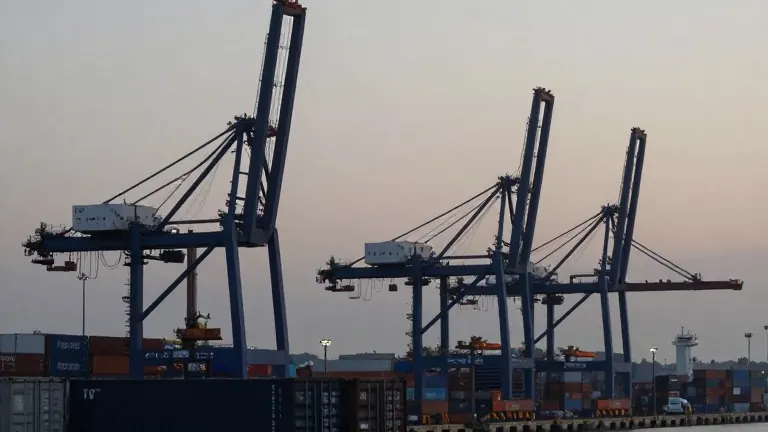
Qatar-led mediation efforts aim to reopen the Strait of Hormuz as Gulf nations debate coordinated defense strategies.
By Riya Zhao ·
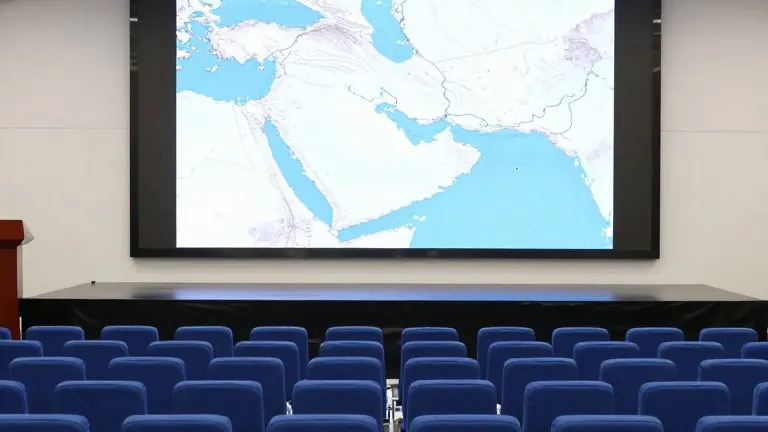
The United Arab Emirates stated on Sunday that military solutions do not offer a quick exit from the ongoing crisis with Iran. UAE Presidential Adviser Anwar Gargash made the remarks at the Manama Dialogue, a three-day security forum held in Bahrain. He emphasized that diplomatic breakthroughs remain the preferred path to prevent further confrontation between the United States and Iran.
Gargash described the current conflict, which began with joint U.S. and Israeli strikes on February 28, as a defining year for the region. He noted that his country prefers political tools over military force. According to Gargash, military options only complicate an already difficult situation without providing immediate relief. He added that bridging the gap between U.S. and Iranian positions is necessary to avoid the worst-case scenario.
Iranian Foreign Minister Abbas Araghchi confirmed that negotiations are taking place in Qatar regarding a proposal to reopen the Strait of Hormuz. Araghchi stated that no direct talks are occurring with the United States. He indicated that the final outcome depends on Washington's responses to specific questions from Tehran. In an interview shared on Telegram, Araghchi said Iran hopes the U.S. chooses diplomacy and is prepared for both defense and diplomatic tracks depending on American rationality.
The forum took place against the backdrop of previous severe strikes on Gulf states. Before an April ceasefire, the UAE faced more than 3,000 drone and ballistic missile attacks from Iran. IISS data shows that most of these attacks targeted airports, military bases, and oil facilities. Gulf nations have since spent billions of dollars to enhance their defense capabilities. Bahraini Foreign Minister Abdullatif bin Rashid Al Zayani welcomed efforts to reduce tensions, citing a pattern of Iranian attacks on sea, air, and data infrastructure.
Gargash offered a rare public critique of the Gulf Cooperation Council's defensive efforts. He stated that while individual nations and bilateral cooperations have risen to the challenge, the six-member bloc has not acted collectively. This lack of coordination included Saudi Arabia, the UAE, Kuwait, Bahrain, Qatar, and Oman. He noted that national-level responses during the peak of the war sometimes hindered the overall defensive effort. The council's inability to present a unified front remains a primary concern for regional leaders attending the summit.