Nakilat reports vessel struck by unidentified objects in Gulf
Iranian officials await U.S. answers to reopen the Strait of Hormuz as Gaza strikes kill eight and Yemen sees further conflict.
By Andrew Yang ·
Diplomatic and military tensions in the Middle East intensified on Sunday as new strikes landed in Gaza and a Qatari ship took damage in the Persian Gulf.
Iran’s Foreign Minister Abbas Araghchi stated that negotiators are currently in Qatar working on a proposal to reopen the Strait of Hormuz within two days. Araghchi said the final outcome depends on answers the United States provides to specific Iranian questions. In an interview posted to his Telegram channel, he expressed hope that Washington would choose diplomacy over other paths. He noted that Iran is prepared for both defense and diplomacy, contingent on the rationality of the U.S. side. Araghchi clarified that no direct talks are taking place between the two nations at this time.
Israeli military operations in Gaza resulted in eight deaths on Sunday. Nasser Hospital reported that a strike in Khan Younis killed five people. Shifa Hospital reported that another strike in Gaza City killed three individuals, including a four-year-old boy, and seriously wounded a woman. The Israeli military said its forces targeted several militants in Khan Younis and one Hamas militant in northern Gaza. Although a ceasefire in October 2025 largely halted major fighting, near-daily strikes have continued. Gaza’s Health Ministry says more than 1,570 Palestinians have died since the truce began, bringing the total war death toll to over 74,500.
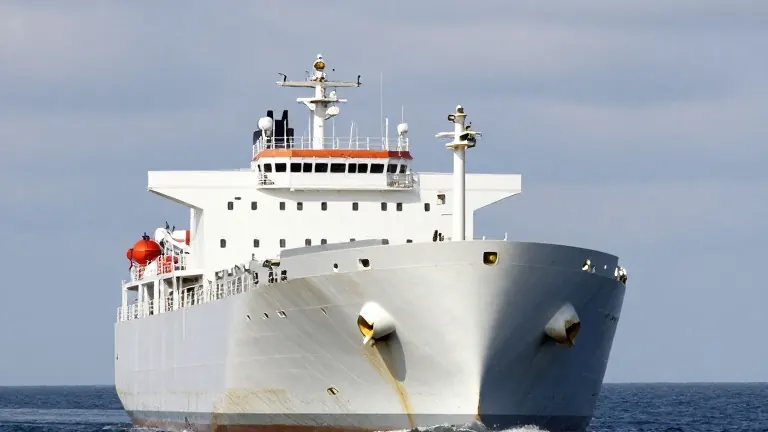
Qatar’s liquefied natural gas shipping company Nakilat announced that its vessel Al Mayeda was struck by unidentified objects in the Persian Gulf on Friday night. The company stated that the ship sustained damage but remained operational. No crew members were injured, and there was no environmental impact. Nakilat did not identify the source of the objects. Qatar’s foreign ministry condemned the attack and said authorities are investigating. The ministry warned that such incidents risk damaging the marine environment. Iran has previously claimed responsibility for attacks on ships in the region.
In Yemen, Iran-backed Houthi rebels reported two airstrikes on the University of Hodeida’s medical school. The Houthi-run Al-Masirah TV channel broadcast the report. The rebels blamed Saudi Arabia for the strikes, though there was no immediate word on casualties. The Saudi-led coalition said it carried out a precision operation. The port city of Hodeida has come under repeated attack since fighting escalated between the Houthis and Saudi-backed government forces. Separately, the United Nations called for an investigation into the death of a human rights staffer held by the Houthis. The organization said the staffer, Mohammad el Shami, had been detained since June 2024. This is the second U.N. employee to die in Houthi custody.
Iran designated the British navy and air force as terrorist organizations. State-run news agency IRNA reported that Iran also declared the MI6 foreign intelligence service a hostile entity. The Iranian Foreign Ministry accused the United Kingdom of supporting U.S.-Israeli attacks on Iran by providing military bases and logistical support. The designation could expose individuals accused of working with MI6 to prosecution under Iranian law and increase the risk of military confrontation.