Inpex to sink 443 million tons of CO2 in Australia's Timor Sea
Inpex plans to inject CO2 into a deep aquifer 260 kilometers off Darwin, a move supported by the federal government and contested by marine conservation groups.
By Andrew Yang ·
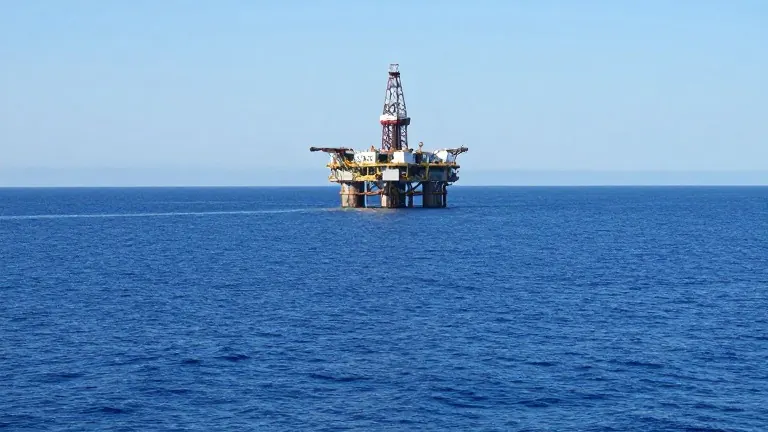
Australia designated a seabed storage site near its northern coast on Nov. 5, clearing the path for a Japanese energy company to store massive volumes of carbon dioxide. The approval marks a concrete step in the global push for carbon capture and storage, a technology that divides climate scientists and policymakers.
The site, located 260 kilometers offshore from Darwin in the Timor Sea, will allow the Japanese company Inpex to store up to 443 million metric tons of CO2 over 35 years. The injection will target a deep saline aquifer named West Peron. Inpex stated that the primary customer for the facility will be the nearby Ichthys liquefied natural gas facility, which Inpex majority-owns and which exports most of its gas to Japan.
Resources Minister Madeleine King described the designation as a vital step toward Australia's net zero transition. "Carbon capture and storage will play an important role in reducing emissions from hard-to-abate industries, supporting Australia's transition to net zero," King said. The department did not respond to further inquiries. Proponents argue the technology buys time for industries like steel production and shipping to transition to cleaner energy sources.
Environmental groups argue the project will harm critical habitats and endangered wildlife. Chelsea Deng, a campaigner at the Australian Marine Conservation Society, noted that the area overlaps with habitats for dugongs, turtles, and seabirds. "A lot of it involves dredging, drilling, piling into the ocean," Deng said. She warned that the construction process causes sediment disturbance, water quality pollution, and underwater noise.
Deng said that routine underwater surveys required to check for leaks will create further disruptions. "This is really impactful and harmful to whales particularly, but it can negatively impact anything from plankton which have been shown to die up to 1.2 kilometers away from these seismic impulses," she said. The monitoring process will continue for decades while the project is underway.
Japan, one of the world's top polluters, views carbon capture as indispensable for meeting its climate goals. The country aims to reduce carbon emissions by 60% by 2035 and 73% by 2040. A 2025 briefing by Japan's Ministry of Economy, Trade and Industry stated that the technology enables decarbonization in areas where electrification or hydrogen use is challenging. Japanese companies are also pursuing other projects, including a joint venture with Nippon Steel to capture CO2 from steel plants off the coast of Chiba.
The International Energy Agency considers carbon capture a tool for curbing climate change, though its net-zero scenario forecasts it will contribute less than 5% of emission reductions by 2050. Inpex is currently conducting environmental impact assessments and must obtain other government licenses before CO2 injection can begin. The company did not respond to inquiries seeking comment on the approval.
More Business · Scam Watch · Report a business · Got a Story?